Understanding the material handling of anhydrous aluminum chloride is crucial for industries that rely on this chemical for various applications. This article explores the key aspects of transporting and managing this substance, along with the underlying design principles that ensure safe and efficient operations. As a highly reactive and corrosive chemical, anhydrous aluminum chloride requires specialized handling methods to prevent accidents and maintain product quality. The design of material handling systems for this substance must therefore prioritize safety, efficiency, and compliance with industry standards.
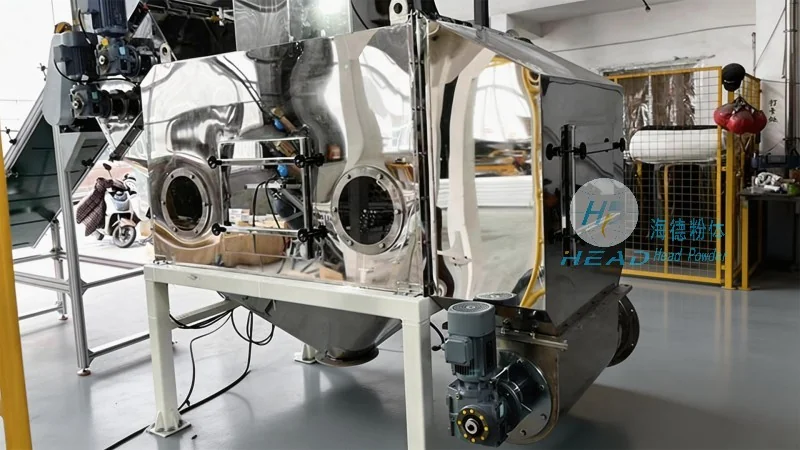
Company Overview: Shandong HeadPowder Engineering Co., Ltd.
HeadPowder, a leading provider in the field, specializes in engineering solutions tailored to the unique requirements of handling anhydrous aluminum chloride. With a strong presence in China, particularly in Shandong, the company leverages its expertise to deliver reliable and effective material handling systems. The company's commitment to quality and safety is reflected in its comprehensive approach to chemical processing equipment design. HeadPowder's team of engineers and technicians work closely with clients to understand their specific needs, ensuring that the final solution is both functional and compliant with regulatory requirements. The company's location in Shandong provides access to a skilled workforce and advanced manufacturing capabilities, enabling it to produce high-quality equipment for the chemical industry.
Key Challenges in Anhydrous Aluminum Chloride Handling
Handling anhydrous aluminum chloride presents several challenges due to its chemical properties. The substance is highly reactive and can be corrosive, requiring specialized equipment to prevent contamination and ensure worker safety. Additionally, the material's tendency to absorb moisture from the air makes it essential to maintain dry conditions throughout the handling process. These factors necessitate robust design considerations to mitigate risks and ensure consistent performance. Another challenge is the material's tendency to form clumps or solidify when exposed to moisture, which can impede flow and cause blockages in transfer systems. To address this, handling systems often incorporate features like agitators or heating elements to keep the material in a fluid state. Furthermore, the chemical's reactivity with certain materials, such as steel or copper, means that equipment must be constructed from compatible materials to avoid corrosion and product contamination.
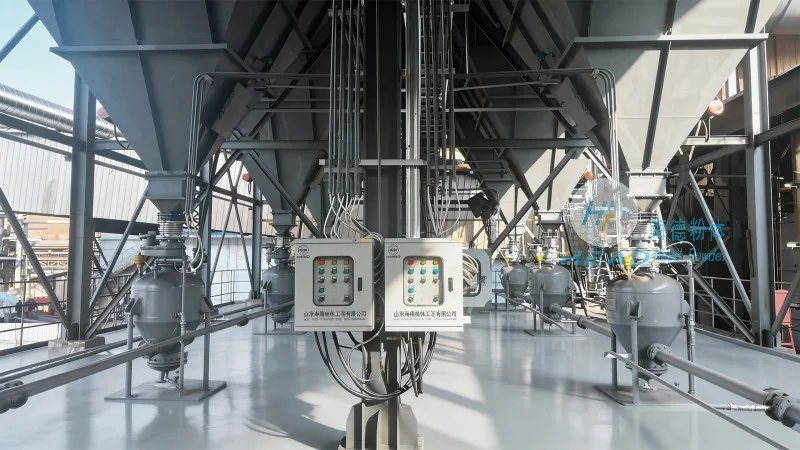
Design Principles for Material Handling Systems
The design of anhydrous aluminum chloride material handling systems follows several critical principles to address the challenges outlined above. First, the system must be constructed from materials that are compatible with the chemical, such as corrosion-resistant alloys or specialized plastics, to prevent degradation and maintain product integrity. Second, the equipment must be designed to minimize exposure to moisture and air, often incorporating sealed containers and dry transfer mechanisms. Third, safety features like ventilation systems and emergency shutdown protocols are integrated to protect personnel and the environment. These principles collectively ensure that the material is handled safely and efficiently, meeting industry standards and regulatory requirements. The design process typically involves a thorough analysis of the material's properties, the operational environment, and the client's specific requirements to develop a customized solution.
Components of a Typical Material Handling System
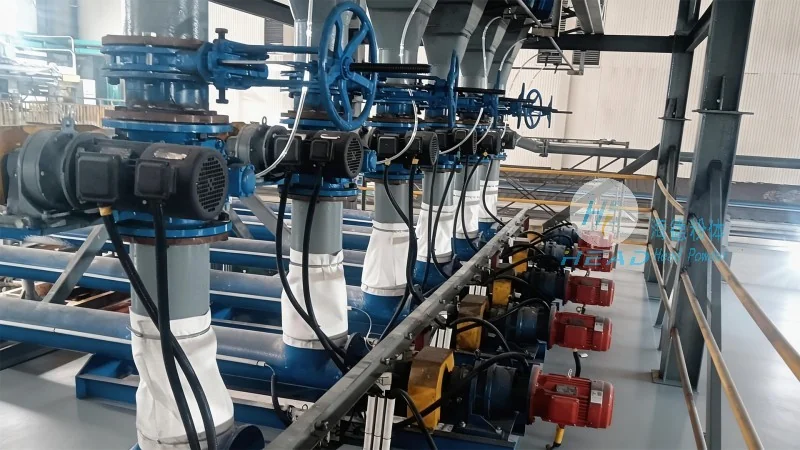
A typical anhydrous aluminum chloride material handling system includes several key components that work in tandem to facilitate smooth operations. These components may include storage tanks, transfer pumps, conveyor systems, and handling equipment such as silos or hoppers. Each component is carefully selected and integrated to ensure compatibility with the chemical and to optimize the flow of material from storage to processing or packaging. For example, storage tanks are often equipped with heating elements to maintain the material's temperature and prevent solidification, while transfer pumps are designed to handle the material's viscosity and reactivity without causing clogging or leakage. Conveyor systems may use specialized belts or screw conveyors to move the material through the facility, ensuring that it remains in a dry and stable state. Handling equipment like silos or hoppers are designed to store large quantities of the material and provide a controlled release for downstream processes. The integration of these components is critical to the overall efficiency of the system, as any disruption in one part can affect the entire operation.
Operational Considerations and Best Practices
Operational best practices are essential for maintaining the effectiveness and safety of anhydrous aluminum chloride material handling systems. Regular maintenance of equipment is crucial to prevent wear and tear, ensuring that all components function as intended. This includes checking seals, inspecting for corrosion, and replacing worn parts as needed. Additionally, training for personnel on the proper handling procedures and safety protocols is vital to minimize the risk of accidents. Employees should be educated on the chemical's hazards, emergency response procedures, and the proper use of personal protective equipment (PPE). Environmental controls, such as proper ventilation and waste management, are also important to comply with regulatory standards and protect the surrounding environment. For instance, ventilation systems must be designed to remove any fumes or vapors generated during handling, while waste disposal must follow local regulations to prevent environmental contamination. By adhering to these best practices, industries can ensure that their material handling operations remain efficient, safe, and compliant.
Conclusion and Future Trends
In conclusion, the material handling of anhydrous aluminum chloride is a complex process that requires careful consideration of the chemical's properties and the operational environment. The design principles and components discussed in this article provide a foundation for developing effective and safe handling systems. As industries continue to rely on anhydrous aluminum chloride for various applications, the demand for advanced material handling solutions will likely increase. Future trends may include the integration of automation and advanced monitoring systems to enhance efficiency and safety. Additionally, there may be a focus on sustainable practices, such as reducing energy consumption and minimizing waste. However, the core principles of safety, compatibility, and efficiency will remain essential in the design and operation of anhydrous aluminum chloride material handling systems. By staying informed about these trends and adhering to best practices, industries can continue to handle this chemical safely and effectively, ensuring the success of their operations.




