Welcome to Shandong HeadPowder Engineering Co., Ltd., a leading provider of specialized equipment for the pharmaceutical industry. In this article, we will explore the pharmaceutical granule material handling system, its significance in pharmaceutical manufacturing, and the core design principles that ensure efficiency, safety, and compliance with industry standards.
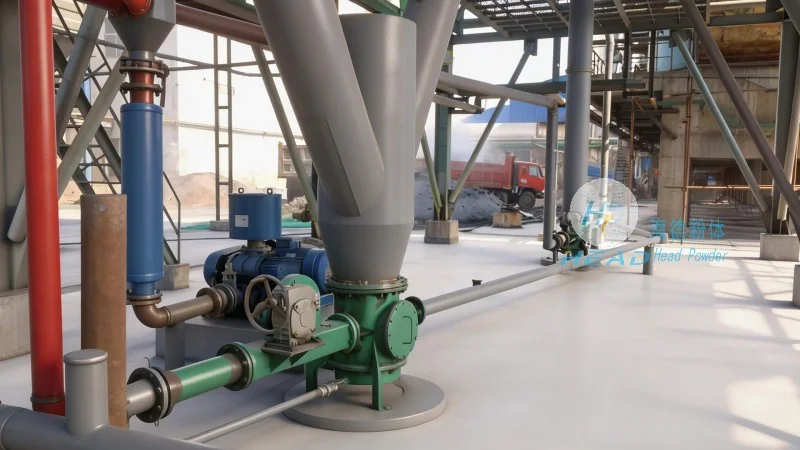
Understanding the Pharmaceutical Granule Material Handling System
The pharmaceutical granule material handling system is a critical component in the production and processing of pharmaceutical products. It involves the movement, storage, and transfer of granular materials, such as active pharmaceutical ingredients (APIs), excipients, and other raw materials, throughout the manufacturing process. This system is essential for maintaining product quality, ensuring consistent dosing, and facilitating smooth workflow in pharmaceutical facilities.
Key Components and Functions of the System
The system typically consists of several key components that work in tandem to handle granule materials efficiently. These components include feeders, conveyors, hoppers, storage silos, and control systems. Each component plays a vital role in the overall operation:
1. **Feeders**: These devices are designed to regulate the flow of granules from storage containers into processing equipment. They ensure a consistent and controlled feed rate, which is crucial for maintaining product uniformity and preventing overloading or underfeeding of machinery.
2. **Conveyors**: Conveyors are used to transport granules horizontally or vertically between different stages of the manufacturing process. Various types of conveyors, such as belt conveyors, screw conveyors, and pneumatic conveyors, are employed based on the material properties and process requirements.
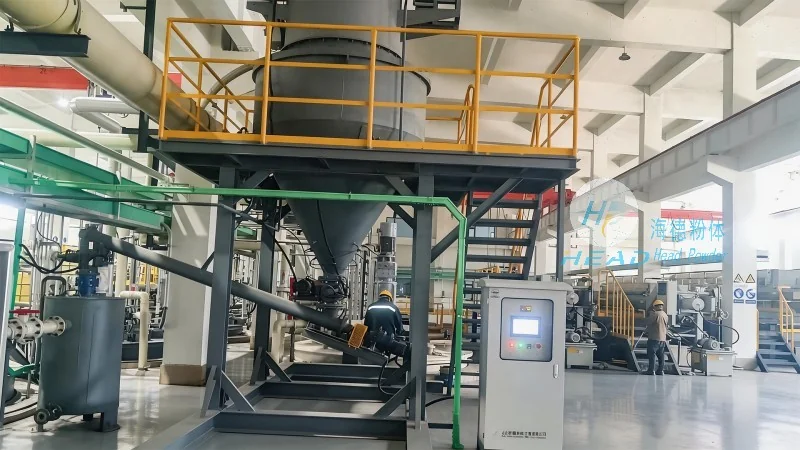
3. **Hoppers and Storage Silos**: Hoppers are used to temporarily store granules before they are fed into processing equipment. Storage silos provide larger capacity for bulk storage, ensuring a steady supply of raw materials. Both components are designed to minimize material degradation and contamination.
4. **Control Systems**: Modern pharmaceutical material handling systems are equipped with advanced control systems that monitor and regulate the flow of materials. These systems use sensors, indicators, and automation controls to ensure precise operation, detect anomalies, and maintain compliance with regulatory standards.
Design Principles for Pharmaceutical Granule Handling Systems
The design of a pharmaceutical granule material handling system follows several critical principles to ensure optimal performance and adherence to industry regulations. These principles focus on safety, efficiency, and product integrity:
1. **GMP Compliance**: The system must adhere to Good Manufacturing Practice (GMP) guidelines, which emphasize cleanliness, contamination control, and documentation. All components are designed to be easy to clean and maintain, with smooth surfaces and minimal dead zones where particles can accumulate.
2. **Material Compatibility**: The materials used in the construction of the system components must be compatible with the pharmaceutical granules being handled. This includes using food-grade or pharmaceutical-grade materials, such as stainless steel, PTFE, or specialized plastics, to prevent chemical reactions or contamination.
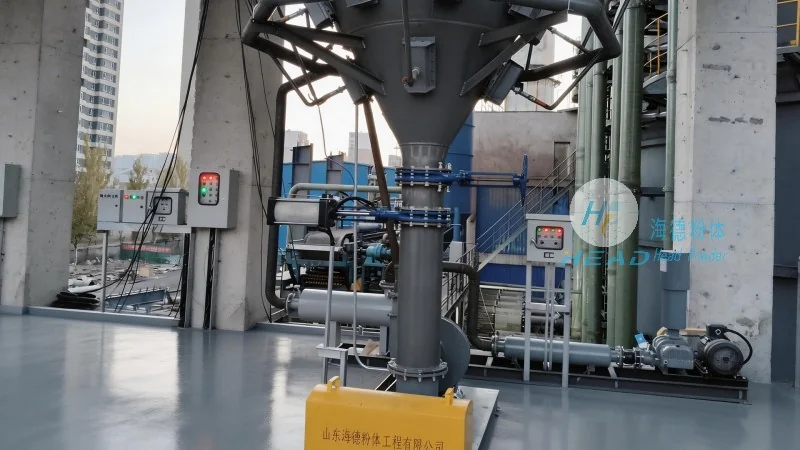
3. **Aseptic Design**: For systems handling sterile or sensitive products, aseptic design principles are applied. This involves using sterilizable components, maintaining a sterile environment during operation, and incorporating features like air filtration and pressure differentials to prevent microbial contamination.
4. **Efficiency and Flow Optimization**: The system is designed to minimize material handling time and energy consumption. This includes optimizing conveyor speeds, feed rates, and storage capacity to match production demands. Proper layout and integration with other manufacturing equipment are also critical for maintaining a smooth workflow.
5. **Safety and Ergonomics**: Safety is a top priority in pharmaceutical manufacturing. The system incorporates safety features such as emergency stop buttons, interlocks, and protective guards to prevent accidents. Ergonomic design ensures that operators can work comfortably and efficiently, reducing the risk of errors and fatigue.
Applications and Benefits of the System
The pharmaceutical granule material handling system is widely used in various stages of pharmaceutical production, including raw material handling, blending, tableting, and packaging. Its benefits extend beyond efficient material transfer:
1. **Improved Product Quality**: By ensuring consistent material flow and uniformity, the system helps maintain product quality and batch-to-batch consistency. This is crucial for meeting regulatory requirements and customer expectations.
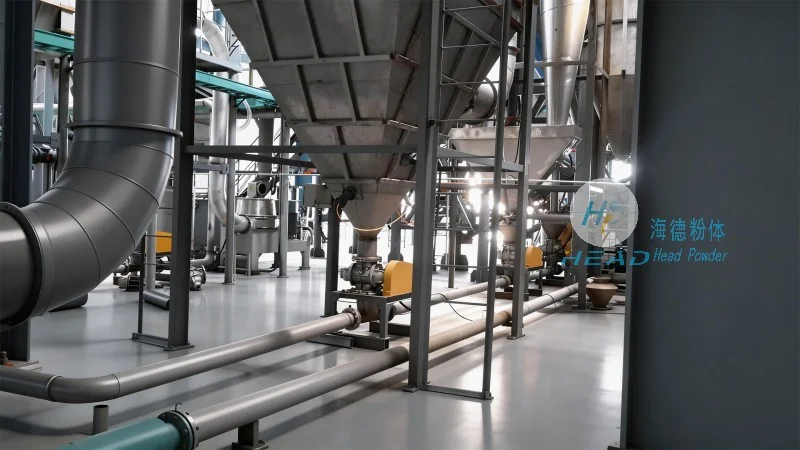
2. **Enhanced Operational Efficiency**: The system reduces labor costs and processing time by automating material handling tasks. This allows manufacturers to increase production capacity while maintaining high standards.
3. **Reduced Waste and Contamination**: Proper design and maintenance of the system minimize material waste and the risk of contamination, leading to cost savings and improved environmental performance.
4. **Scalability and Flexibility**: Modern systems are designed to be scalable, allowing manufacturers to adapt to changing production needs. They can be easily integrated with existing equipment or expanded to accommodate increased production volumes.
Conclusion
In conclusion, the pharmaceutical granule material handling system is a vital asset in pharmaceutical manufacturing, enabling efficient and safe handling of raw materials. The design principles outlined above ensure that these systems meet the stringent requirements of the pharmaceutical industry, from GMP compliance to product integrity. As a leading provider, Shandong HeadPowder Engineering Co., Ltd. specializes in designing and manufacturing such systems, delivering solutions that enhance operational efficiency and product quality for pharmaceutical companies worldwide.




