High-pressure dense-phase material handling equipment is a specialized type of industrial machinery designed to transport bulk materials in a dense, non-eroding state. This technology is particularly valuable in industries where material handling efficiency, product integrity, and safety are critical. The equipment operates by introducing compressed air or gas into the material stream, creating a plug flow that minimizes particle movement and reduces the risk of material degradation or dust generation. This approach contrasts with traditional pneumatic conveying systems, which often rely on dilute-phase transport and can lead to issues such as particle attrition and increased energy consumption.
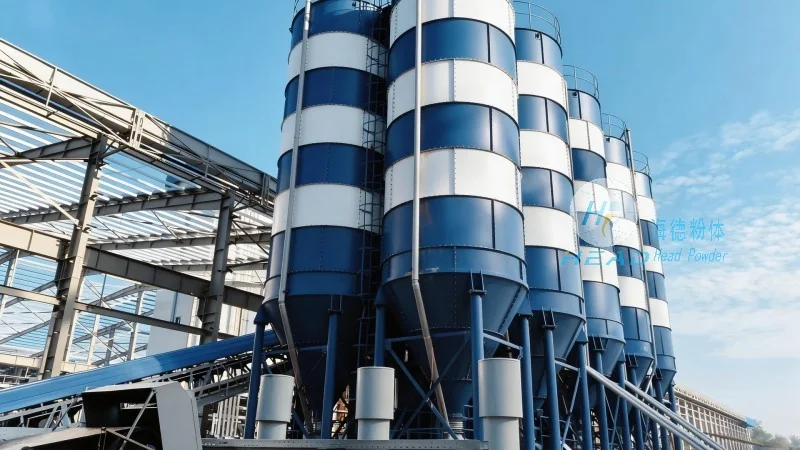
Understanding High-Pressure Dense-Phase Conveying
At its core, high-pressure dense-phase conveying involves the use of high-pressure air or gas to push a dense column of material through a pipeline. The process is characterized by a low velocity of the material relative to the air, resulting in a "plug" or "slug" of material that moves through the system. This method is highly effective for handling abrasive, fragile, or temperature-sensitive materials, as it reduces the mechanical stress on the particles. The dense-phase state also minimizes the formation of dust clouds, making it safer for both the equipment and the environment.
The Design Principles of High-Pressure Dense-Phase Equipment
The design of high-pressure dense-phase material handling equipment is guided by several key principles to ensure optimal performance and efficiency. First, the system must be capable of generating and maintaining the necessary pressure levels to create the dense material plug. This typically involves high-capacity air compressors and pressure regulators that can deliver consistent pressure across the entire conveying line. Second, the equipment must be designed to handle the specific properties of the material being transported, including particle size, density, and flow characteristics. This may involve the use of specialized valves, feeders, and pipeline configurations to ensure smooth material flow and prevent blockages.
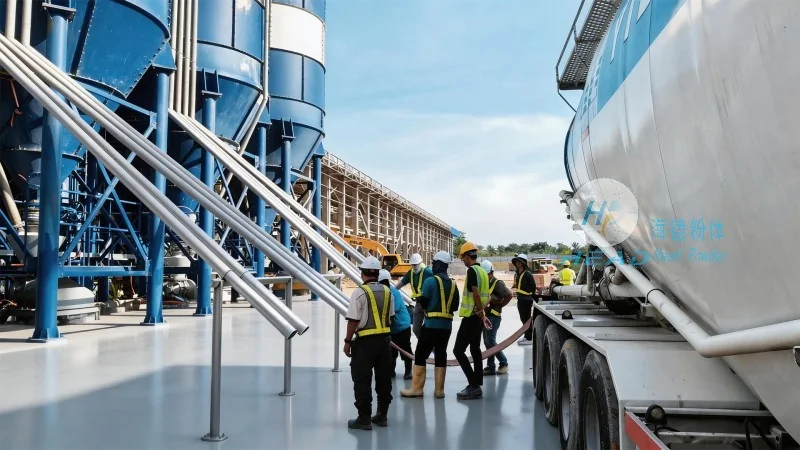
Key Components and Their Functions
High-pressure dense-phase conveying systems consist of several critical components, each playing a vital role in the overall operation. The primary components include the material feeder, which introduces the bulk material into the system; the pressure vessel or compressor, which generates the high-pressure air or gas; the pipeline network, which transports the material; and the control system, which regulates the pressure and flow rates. The material feeder is often designed as a rotary valve or a screw feeder to ensure a consistent feed rate, preventing surges or gaps in the material flow. The compressor or pressure vessel is responsible for maintaining the required pressure, typically ranging from 100 to 300 psi (6.9 to 20.7 bar) depending on the application. The pipeline is usually made of durable materials such as stainless steel or polyethylene to withstand the high pressures and corrosive properties of the conveyed materials. The control system uses sensors and valves to monitor and adjust the pressure and flow, ensuring the system operates within safe and efficient parameters.
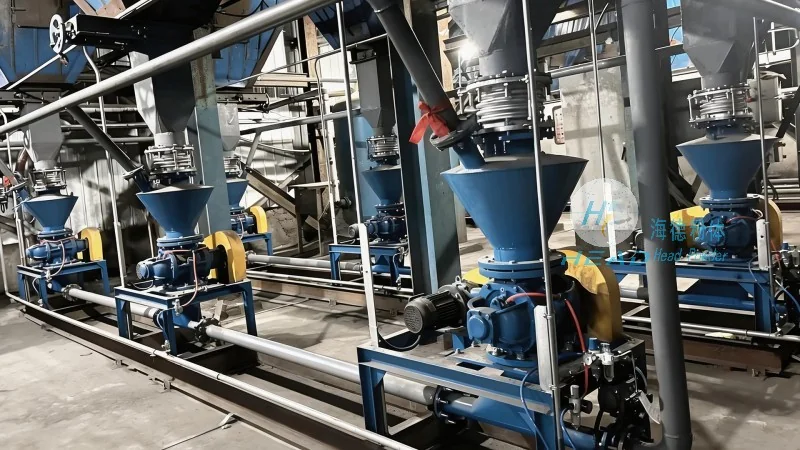
Applications and Benefits
High-pressure dense-phase material handling equipment is widely used in various industries due to its ability to handle a broad range of materials with minimal degradation. Common applications include the transport of powders, granules, and bulk solids in sectors such as pharmaceuticals, food processing, chemicals, and mining. The benefits of this technology include improved product quality, reduced energy consumption compared to traditional pneumatic conveying, enhanced safety by minimizing dust exposure, and increased system reliability due to the stable material flow. For example, in the pharmaceutical industry, dense-phase conveying is used to transport active pharmaceutical ingredients (APIs) and excipients, ensuring that the materials remain intact and free from contamination. In the food industry, it is used to handle powders like flour, sugar, and spices, maintaining their quality and preventing caking or clumping. In the chemical industry, it is used to transport abrasive materials such as cement and minerals, reducing equipment wear and extending the lifespan of the conveying system.
Company Overview: Shandong HeadPowder Engineering Co., Ltd.
Shandong HeadPowder Engineering Co., Ltd., commonly known as HeadPowder, is a leading manufacturer and supplier of high-pressure dense-phase material handling equipment. The company is headquartered in Shandong, China, and has established itself as a trusted partner in the industrial material handling sector. HeadPowder specializes in designing and manufacturing customized solutions tailored to the specific needs of its clients, ensuring that the equipment meets the highest standards of performance, reliability, and safety. The company's product line includes a range of high-pressure conveying systems, from small-scale units for laboratory use to large-scale industrial systems for bulk material transport. HeadPowder's commitment to quality and innovation has enabled it to serve a diverse customer base, including pharmaceutical, food, chemical, and mining companies. The company's engineering team works closely with clients to understand their material handling challenges and develop tailored solutions that address their specific requirements. This collaborative approach has resulted in high customer satisfaction and repeat business, solidifying HeadPowder's position as a leader in the industry.




