A small bag feeding material conveying line is a specialized industrial system engineered to facilitate the transfer of bulk materials from sealed bags into processing equipment. This technology is pivotal in sectors like chemicals, food processing, pharmaceuticals, and mining, where precise material handling is essential for maintaining production efficiency and ensuring product quality. The system typically comprises interconnected components, including bag openers, feeders, conveyors, and dust collection units, all working in tandem to ensure a smooth and controlled flow of material from the bag to the processing stage. By automating the material feeding process, these systems reduce manual labor, minimize material loss, and enhance overall operational safety. Such systems are often provided by companies like Shandong HeadPowder Engineering Co., Ltd., a leading manufacturer specializing in material handling solutions for various industrial applications.
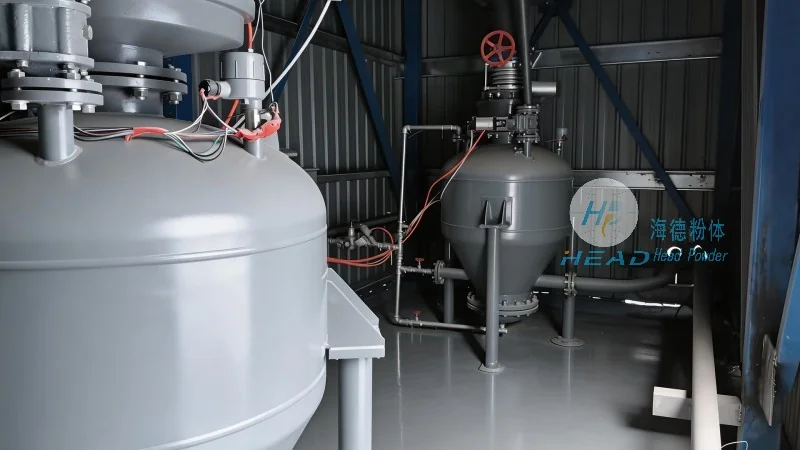
Key Components of a Small Bag Feeding System
The design of a small bag feeding material conveying line involves several key components that work together to achieve optimal performance. The primary components include: bag openers, which are responsible for breaking the seal of the bag and releasing the material; feeders, which control the flow rate of the material from the bag; conveyors, which transport the material to the processing equipment; and dust collection systems, which ensure a clean and safe working environment by capturing dust and particles generated during the feeding process. Each component is carefully selected and integrated to meet the specific requirements of the material being handled, such as particle size, bulk density, and moisture content. For instance, bag openers may use mechanical or pneumatic mechanisms to open the bag, while feeders can be designed as screw feeders or vibratory feeders to handle different material characteristics. The conveyors may include belt conveyors, screw conveyors, or pneumatic conveying systems, depending on the material's properties and the required transport distance.
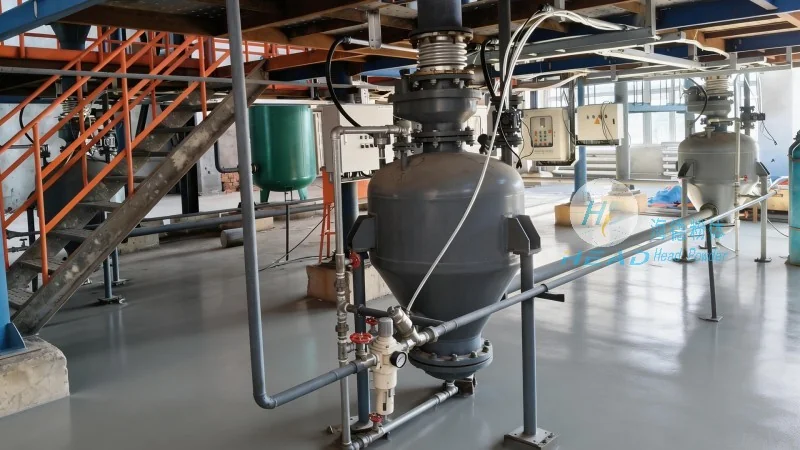
Design Principles for Efficient Material Handling
The design principles of a small bag feeding material conveying line focus on ensuring efficiency, reliability, and safety. One of the key principles is the use of a closed system to minimize dust exposure and environmental contamination. This is achieved by integrating dust collection units that capture and filter the air before it is released back into the environment. The closed system design also helps to maintain the integrity of the material, preventing contamination from external sources. Another important principle is the control of material flow, which is achieved through the use of feeders that can adjust the flow rate based on the processing requirements. This ensures that the processing equipment receives the exact amount of material needed, avoiding overfeeding or underfeeding that could impact product quality. The system is also designed to be flexible, allowing for the handling of different bag sizes and types, and to accommodate changes in production volume. For example, the system can be equipped with adjustable feeders and conveyors that can be reconfigured to handle various bag dimensions and material types, providing versatility for different production needs.
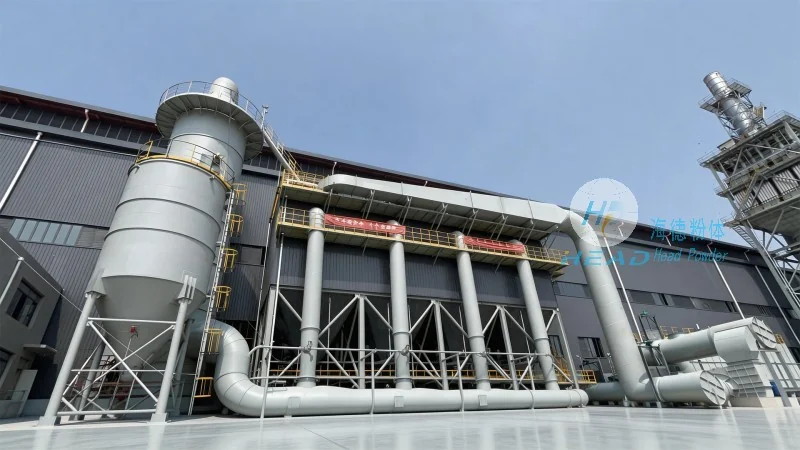
Application in Industrial Processes
Small bag feeding material conveying lines are widely used in various industrial processes where bulk materials need to be transferred from bags to processing equipment. For example, in the chemical industry, these systems are used to feed raw materials into reactors or mixers, ensuring a consistent and controlled input of ingredients. In the food industry, they are used to handle ingredients like flour, sugar, and spices, maintaining hygiene standards and preventing cross-contamination. In the pharmaceutical industry, the systems are designed to meet stringent hygiene and safety standards, with components that are easy to clean and sterilize, and with sealed systems to prevent contamination. The versatility of these systems makes them suitable for a wide range of applications, from small-scale operations to large-scale industrial plants. They are particularly useful in industries where material handling is a critical step in the production process, as they help to streamline operations and improve overall efficiency.
Advantages of Using a Small Bag Feeding System
There are several advantages to using a small bag feeding material conveying line in industrial operations. One of the main advantages is the improvement in production efficiency, as the system allows for continuous and automated material feeding, reducing the need for manual handling and minimizing downtime. Another advantage is the reduction in material waste, as the system ensures that the material is transferred from the bag to the processing equipment with minimal loss. This is especially important for expensive or rare materials, where waste can significantly impact profitability. The system also improves safety by minimizing dust exposure and reducing the risk of accidents caused by manual handling of bulk materials. Dust exposure can lead to respiratory issues and other health problems, while manual handling of heavy bags can result in injuries. By automating the process, the system reduces these risks and creates a safer working environment. Additionally, the system can be integrated with other processing equipment, such as mixers or reactors, to create a fully automated production line, further enhancing efficiency and productivity.
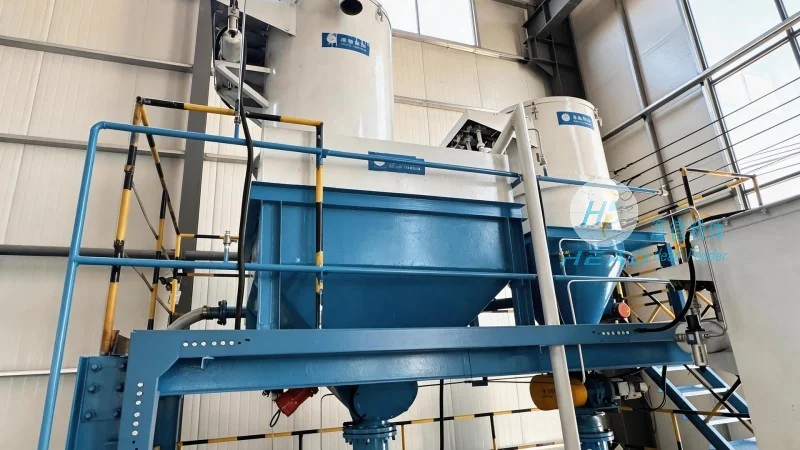
Customization and Integration with Processing Equipment
Small bag feeding material conveying lines can be customized to meet the specific needs of different industrial applications. The system can be integrated with various processing equipment, such as mixers, reactors, and granulators, to create a seamless production line. The customization options include the selection of different bag sizes and types, the adjustment of flow rates, and the integration of additional features like dust collection or material weighing. The system can also be designed to work with different power sources and control systems, ensuring compatibility with existing production lines. For example, a system can be equipped with a variable frequency drive (VFD) to control the speed of the conveyor, allowing for precise control of the material flow rate. The ability to customize and integrate the system with processing equipment makes it a versatile solution for a wide range of industrial applications. This flexibility allows companies to adapt the system to their specific production requirements, ensuring optimal performance and efficiency.




