For industries that require precise and consistent material handling, an automatic quantitative material handling system is a critical solution. These systems are engineered to transport, measure, and dispense materials with high accuracy, ensuring that each batch or unit meets the specified weight or volume requirements. The technology behind such systems combines automation, precision measurement, and efficient material flow, making them indispensable in sectors like pharmaceuticals, food processing, and chemical manufacturing where quality control is paramount.
Key Components and Design Principles of Quantitative Material Handling Systems
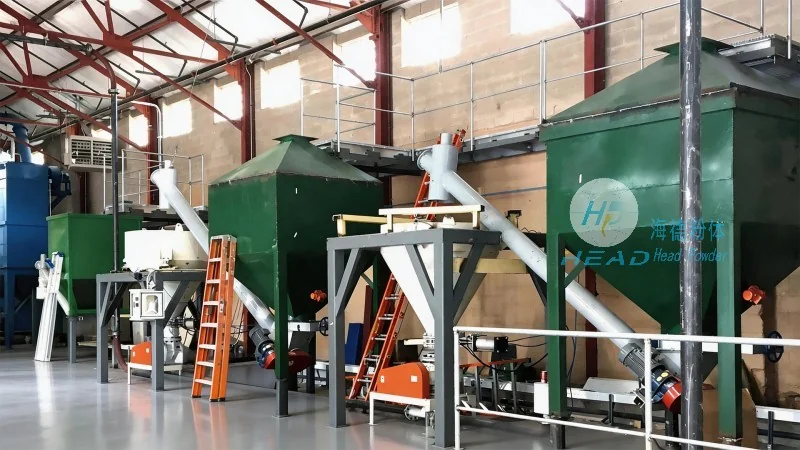
The design of an automatic quantitative material handling system revolves around several core components that work in tandem to achieve precise material handling. At the heart of the system is a material feeder, which can be a vibratory feeder, screw feeder, or belt conveyor, depending on the material's properties and the required flow rate. This feeder ensures a steady and controlled flow of material into the weighing or measuring unit. The weighing or measuring unit, often an electronic scale or load cell, is integrated to provide real-time weight data. This data is then processed by a control system, typically a programmable logic controller (PLC) or a digital controller, which compares the measured weight against the set target and adjusts the feeder speed or other parameters to achieve the desired quantity. The control system also manages the start and stop of the material flow, ensuring that the output is consistent and meets the specified standards.
How Automatic Quantitative Material Handling Systems Enhance Operational Efficiency
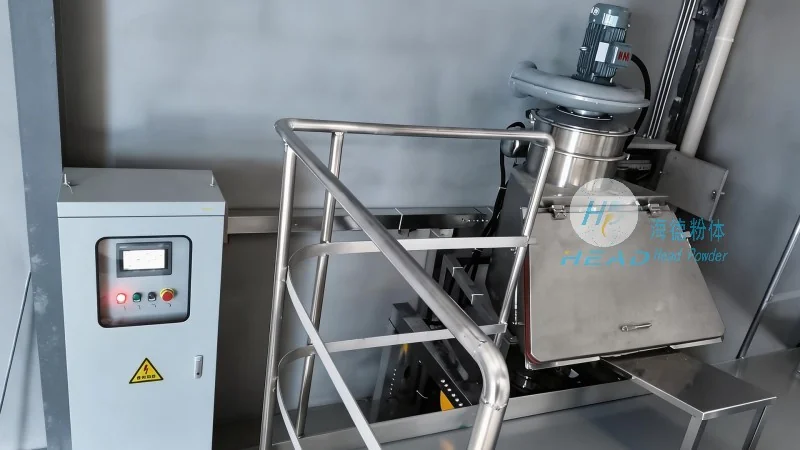
Implementing an automatic quantitative material handling system significantly enhances operational efficiency by reducing human error and increasing throughput. Traditional manual weighing or batching methods are prone to inaccuracies due to human fatigue or misjudgment, leading to product waste or quality issues. In contrast, automated systems maintain consistent accuracy across all batches, minimizing material waste and ensuring that each product meets the required specifications. This consistency also improves production line speed, as the system can operate continuously without the need for frequent manual adjustments. Additionally, the integration of these systems with other production equipment, such as packaging machines or mixing units, allows for seamless material flow, reducing downtime and improving overall productivity.
Customization and Adaptability in Quantitative Material Handling Solutions
Automatic quantitative material handling systems are highly customizable to meet the specific needs of different industries and applications. The choice of feeder type, weighing technology, and control system can be tailored based on the material's characteristics, such as bulk density, flowability, and moisture content. For example, a vibratory feeder is ideal for free-flowing powders, while a screw feeder is better suited for cohesive or sticky materials. The control system can also be programmed to handle different batch sizes and target weights, making the system versatile for various production scenarios. Furthermore, advanced systems may incorporate features like data logging, which records weight data for quality control and traceability purposes, and alarm systems that alert operators to any deviations from the set parameters.
Case Study: Application in Pharmaceutical Manufacturing
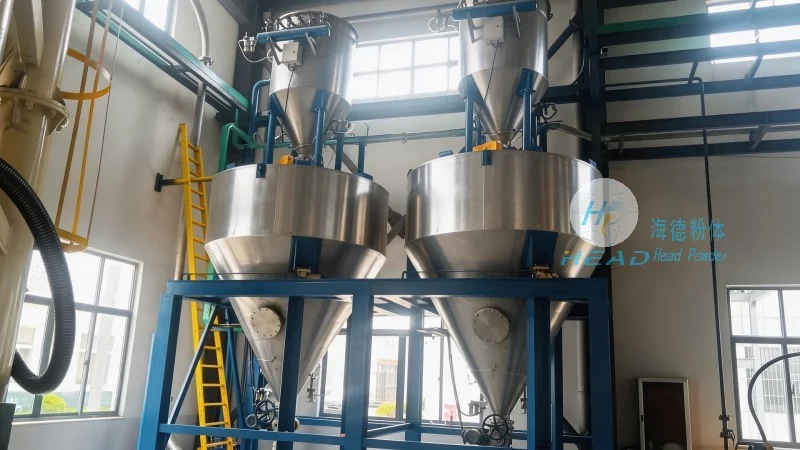
Consider a pharmaceutical manufacturing facility that produces tablets. The process involves weighing and dispensing raw materials like active pharmaceutical ingredients (APIs) and excipients. An automatic quantitative material handling system is used to ensure that each tablet contains the exact amount of API, which is critical for efficacy and safety. The system's precision in measuring and dispensing the API reduces the risk of underdosing or overdosing, thereby improving product quality and compliance with regulatory standards. The consistent output also allows the production line to operate at a higher speed, meeting the demand for pharmaceutical products without compromising on quality.




