Quartz powder, a widely used industrial material, requires specialized equipment for efficient handling and transportation. The quartz powder material handling equipment is engineered to address the unique challenges associated with handling fine, abrasive, and dust-sensitive powders like quartz. This article explores the fundamental aspects of such equipment, focusing on its design principles and operational capabilities.
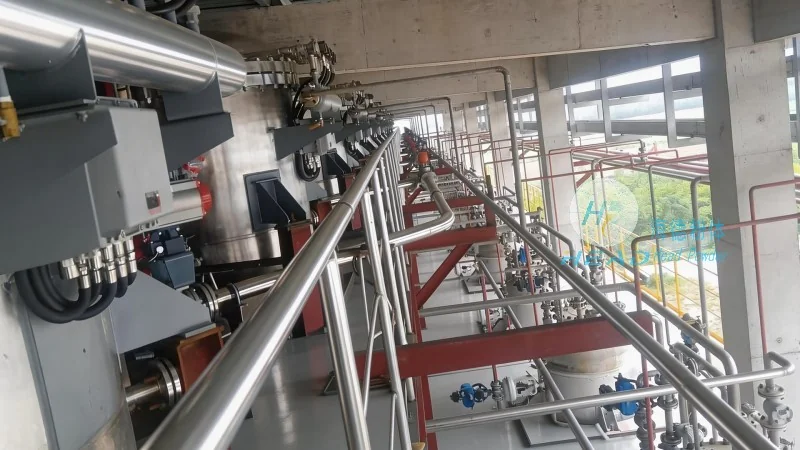
Introduction to Quartz Powder Material Handling Equipment
Quartz powder, known for its high purity and durability, is utilized in various industries including ceramics, glass manufacturing, and electronics. However, its fine particle size and abrasive nature make conventional handling methods inefficient and potentially hazardous. The quartz powder material handling equipment is specifically designed to manage these characteristics, ensuring safe and efficient material transport from storage to processing units. The equipment typically includes components such as hoppers, conveyors, and dust collection systems, all tailored to the physical properties of quartz powder.
Design Principles of Quartz Powder Material Handling Equipment
The design of quartz powder material handling equipment is guided by several key principles to ensure optimal performance and longevity. First, the equipment must be constructed from materials that resist corrosion and abrasion, as quartz powder can be highly abrasive over time. Stainless steel or specialized alloys are commonly used for the internal components to withstand the wear and tear caused by the fine particles. Second, the design emphasizes minimal air leakage and efficient dust containment to prevent environmental contamination and protect operators from inhalation risks. This is achieved through sealed hoppers, airtight conveyors, and integrated dust collection systems.
Third, the equipment is engineered for low maintenance and easy cleaning. Quartz powder can adhere to surfaces, making regular maintenance crucial. The design incorporates features like smooth internal surfaces and easy-to-remove components, facilitating thorough cleaning and preventing material buildup that could lead to blockages or equipment failure. Fourth, the system is optimized for energy efficiency. By using appropriate conveyor speeds and minimizing friction, the equipment reduces energy consumption while maintaining the required material flow rates. This not only lowers operational costs but also aligns with sustainability goals in industrial operations.
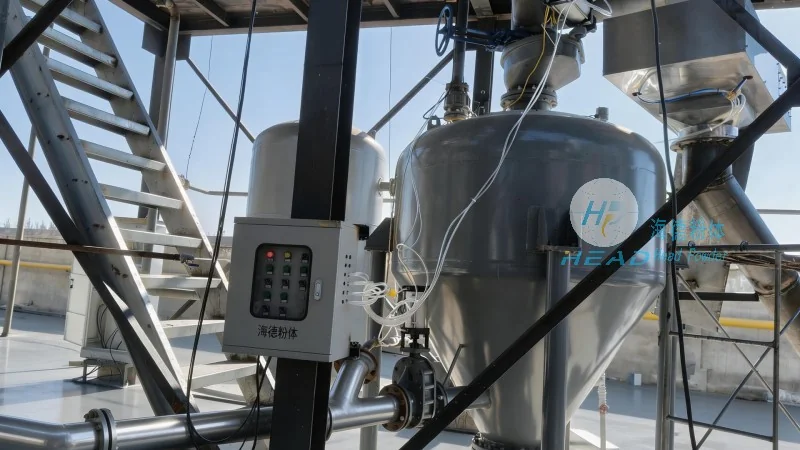
Key Components and Their Functions
The quartz powder material handling equipment consists of several critical components, each playing a vital role in the overall system. The hopper is the primary storage unit, designed to hold the quartz powder in a controlled manner. It is typically made of a durable material and equipped with a discharge valve to regulate the flow of material into the conveyor system. The hopper may also include a level indicator to monitor the material quantity, ensuring consistent feeding rates.
The conveyor system is the core of the material handling process. For quartz powder, screw conveyors or pneumatic conveyors are commonly used. Screw conveyors are ideal for horizontal or slight incline transport, as they provide a continuous, low-pressure method of moving the powder. Pneumatic conveyors, on the other hand, use air pressure to transport the powder in a closed system, which is particularly effective for handling fine powders that are prone to dust dispersion. The choice between these systems depends on the specific application and the volume of material to be handled.
Dust collection and filtration systems are essential for maintaining a safe working environment. Quartz powder is a respiratory hazard, and the equipment must include mechanisms to capture and filter airborne particles. These systems typically consist of a fan, filter bags, and a collection bin. The fan draws air from the conveyor and hopper, passing it through the filter where dust particles are trapped. Clean air is then released back into the environment, while the collected dust is stored in the bin for disposal or reuse.
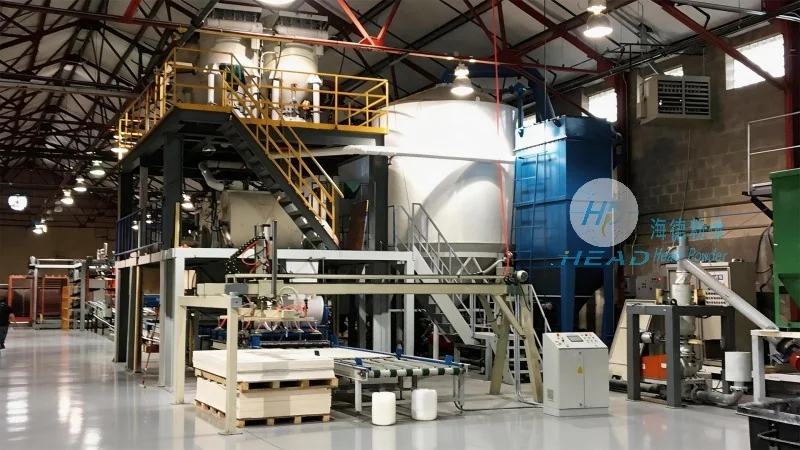
Operational Considerations and Best Practices
Proper operation of quartz powder material handling equipment requires adherence to specific guidelines to ensure safety and efficiency. Regular maintenance is a critical aspect, as the equipment is designed for long-term use. This includes inspecting conveyor belts for wear, checking for leaks in the dust collection system, and cleaning the hopper and internal components to prevent material buildup. Operators should also be trained on the safe handling of quartz powder, including the use of personal protective equipment (PPE) such as respirators and gloves.
Another important consideration is the control of material flow. The discharge valve in the hopper should be adjusted to maintain a consistent flow rate, preventing overloading of the conveyor system. This ensures that the equipment operates within its design capacity, reducing the risk of blockages or equipment damage. Additionally, monitoring the system's performance, such as conveyor speed and dust levels, helps identify any issues early, allowing for timely maintenance and preventing costly downtime.
Conclusion
Quartz powder material handling equipment is a specialized solution designed to address the unique challenges of handling fine, abrasive quartz powder. By adhering to design principles that prioritize material resistance, dust containment, and energy efficiency, these systems ensure safe and efficient operation in industrial settings. The key components, including hoppers, conveyors, and dust collection systems, work in harmony to transport quartz powder from storage to processing units while minimizing environmental and health risks. For industries relying on quartz powder, investing in properly designed and maintained material handling equipment is essential for operational success and compliance with safety regulations.




