Understanding the design and functionality of cereal material conveying lines is crucial for optimizing production processes in food manufacturing. These systems are engineered to efficiently transport cereal-based materials, such as flakes, granules, or powders, from one stage of processing to another. The core purpose of such lines is to ensure smooth, consistent, and safe material handling, which is vital for maintaining product quality and operational efficiency.
Key Design Principles of Cereal Material Conveying Systems
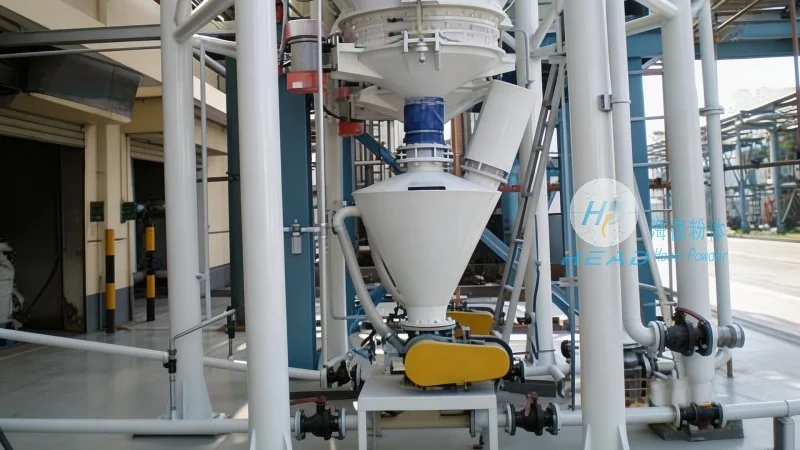
The design of a cereal material conveying line is built on several fundamental principles that address the unique characteristics of cereal products. First, the system must accommodate the physical properties of the materials, including their size, shape, density, and flowability. For instance, materials like corn flakes or wheat bran may require different handling methods compared to fine powders like oatmeal. Engineers at Shandong HeadPowder Engineering Co., Ltd. carefully consider these variables to select appropriate components, such as belt conveyors, screw conveyors, or pneumatic systems, that best suit the material's behavior.
Second, the design emphasizes energy efficiency and minimal product degradation. Cereal materials are often sensitive to friction, impact, or excessive heat, which can affect their texture and nutritional value. Therefore, conveying systems are designed with gentle handling mechanisms, such as slow-moving belts or air-lift systems, to prevent damage. Additionally, the system's layout is optimized to minimize the number of transfer points, reducing the risk of material breakage and contamination. This approach not only preserves product quality but also reduces operational costs by lowering energy consumption and maintenance needs.
Core Components and Their Functions
A typical cereal material conveying line consists of several interconnected components, each playing a critical role in the overall operation. The primary components include feeders, conveyors, elevators, and control systems. Feeders, such as gravity feeders or rotary valves, are responsible for evenly distributing the material into the conveying system, ensuring a consistent flow rate. Conveyors, which may be belt, screw, or chain-driven, transport the material horizontally or vertically. For vertical transport, elevators, such as bucket elevators or pneumatic lifters, are used to raise the material to higher levels, often with minimal energy input.
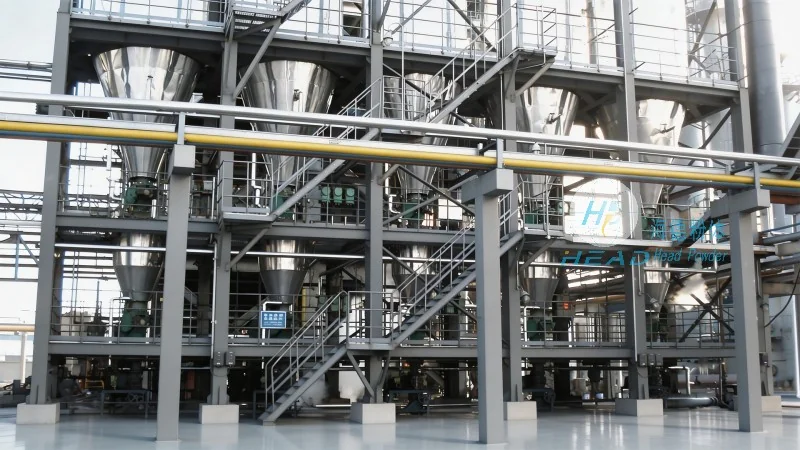
Control systems, integrated into the design, monitor and regulate the flow of materials, ensuring that the system operates within safe and efficient parameters. Sensors and feedback mechanisms detect any deviations, such as blockages or overloads, and trigger appropriate responses to prevent system failures. This automation enhances reliability and reduces the need for manual intervention, which is particularly important in high-speed production environments.
Customization and Application in Food Manufacturing
Shandong HeadPowder Engineering Co., Ltd. specializes in designing and manufacturing customized cereal material conveying lines tailored to the specific needs of food manufacturers. The company's approach involves a thorough analysis of the client's production requirements, including the type of cereal products, production volume, and operational constraints. Based on this analysis, engineers develop a tailored solution that incorporates the most suitable components and layout.
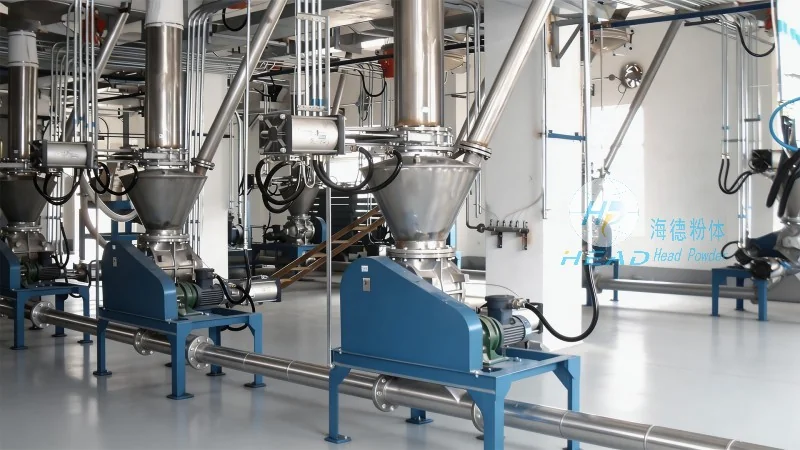
These customized systems are widely used in various food processing applications, including the production of breakfast cereals, snacks, and nutritional powders. For example, in a breakfast cereal plant, a conveying line may transport raw grains to a milling station, then move the milled flakes to a coating or flavoring line. The system's design ensures that each step of the process is integrated seamlessly, minimizing downtime and maximizing throughput. Similarly, in the production of nutritional powders, such as oat or wheat bran, the conveying line efficiently moves the fine powders from storage to packaging, maintaining their quality and preventing segregation.
Benefits and Advantages of Professional Design
Investing in a professionally designed cereal material conveying line offers numerous benefits for food manufacturers. The primary advantage is improved operational efficiency, as the system optimizes material flow and reduces bottlenecks. This leads to increased production capacity and reduced labor costs, as automated systems handle tasks that were previously done manually. Additionally, the gentle handling of materials preserves product quality, which is essential for maintaining customer satisfaction and brand reputation.
Another key advantage is enhanced safety and hygiene. Conveying systems are designed with easy-to-clean surfaces and sealed components, reducing the risk of contamination. This is particularly important in food processing, where compliance with regulatory standards is mandatory. Furthermore, the use of durable materials and robust construction ensures long-term reliability, minimizing downtime and maintenance expenses.




