

What is a Limestone Powder Material Pneumatic Conveying System? What are the Design Principles?
Limestone powder, a widely used industrial material, often requires efficient and reliable transportation methods for processing and application. A limestone powder material pneumatic conveying system is a specialized solution designed to handle the unique characteristics of limestone powder, ensuring safe, effective, and economical material transfer. This article explores the fundamental aspects of such a system, focusing on its operational principles and key design considerations.
Understanding the Limestone Powder Material Pneumatic Conveying System
Limestone powder, typically composed of calcium carbonate (CaCO₃), is a fine, dry powder with specific properties that influence its handling. These properties include particle size distribution, moisture content, and flowability. The pneumatic conveying system is engineered to address these characteristics, utilizing air as the conveying medium to transport the powder from one location to another. Unlike traditional mechanical conveyors, pneumatic systems offer advantages such as reduced dust generation, minimal material degradation, and the ability to handle materials with high moisture content or abrasive properties.
Core Components of the Pneumatic Conveying System
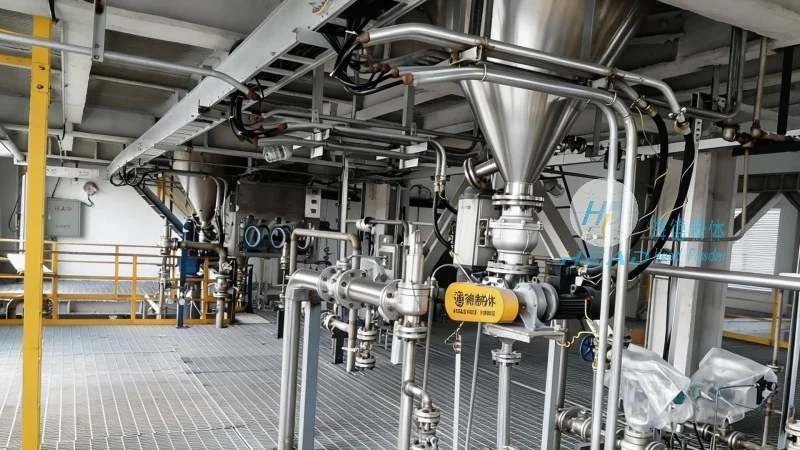
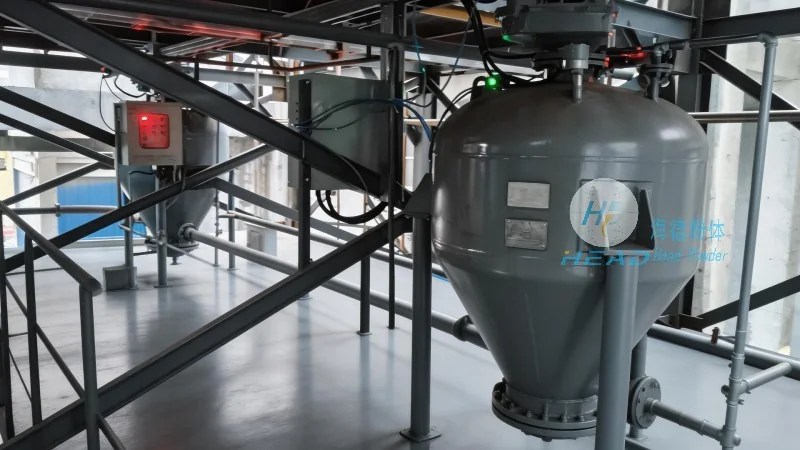
The limestone powder pneumatic conveying system consists of several critical components that work in tandem to achieve efficient material transfer. These components include the material feed hopper, which stores and feeds the limestone powder into the system; the air compressor or blower, which generates the necessary air pressure to move the material; the conveying line, which can be either positive or negative pressure depending on the system design; and the receiving hopper or silo, where the material is deposited. Additional components may include filters, cyclones, and dust collectors to ensure air quality and prevent material loss. Each component is carefully selected and sized to match the specific requirements of the limestone powder being handled, ensuring optimal performance and longevity.
Design Principles for Efficient Limestone Powder Conveying
The design of a limestone powder pneumatic conveying system is a complex process that involves balancing several factors to achieve the best possible performance. Key design principles include maintaining consistent air flow rates, controlling particle velocity to prevent deposition or blockage, and ensuring adequate pressure differentials to overcome system resistance. The system must also account for the specific properties of limestone powder, such as its tendency to agglomerate or settle, by incorporating features like agitators, vibrators, or pre-drying steps. Additionally, the design must consider the overall system layout, including the distance and elevation changes between the feed and receiving points, as these factors directly impact the required air pressure and system capacity. Proper sizing of the air compressor and conveying line diameter is crucial to avoid excessive energy consumption or material degradation. The use of high-quality materials for the conveying line, such as stainless steel or corrosion-resistant alloys, is also essential to prevent wear and corrosion from the limestone powder.
Operational Considerations and Maintenance
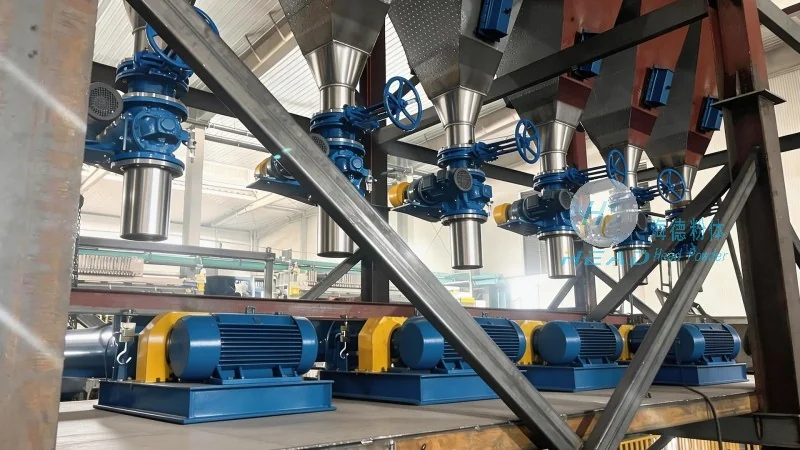
Once the limestone powder pneumatic conveying system is installed and operational, regular maintenance is essential to ensure consistent performance and longevity. This includes monitoring air pressure and flow rates, cleaning filters and cyclones to prevent clogging, and inspecting the conveying line for signs of wear or damage. The system should also be equipped with safety features, such as pressure relief valves and dust suppression systems, to mitigate risks associated with material handling. Proper training for operators on the system's operation and maintenance is critical to prevent accidents and ensure optimal performance. By adhering to these operational considerations, the system can deliver reliable and efficient material transfer for limestone powder applications.
About Shandong HeadPowder Engineering Co., Ltd.
Shandong HeadPowder Engineering Co., Ltd., a leading manufacturer and supplier of industrial material handling solutions, specializes in designing and manufacturing pneumatic conveying systems tailored to the unique needs of limestone powder and other fine materials. With a strong commitment to quality and innovation, HeadPowder provides comprehensive engineering services, from system design and installation to maintenance and support. The company's facilities are located in Shandong, China, where it leverages advanced technology and experienced engineering teams to deliver high-performance solutions that meet the demands of modern industrial applications. HeadPowder's expertise in material handling ensures that clients receive reliable, efficient, and cost-effective systems that enhance productivity and safety in their operations.