Pneumatic conveying systems have become a critical component in the handling and transportation of bulk materials, particularly in industries dealing with fine powders like iron fines. The technology offers a reliable and efficient method to move these materials over long distances or within complex processing facilities. This article delves into the working principle and key characteristics of iron fines pneumatic conveying, providing a comprehensive understanding of how this technology operates and its advantages in material handling.
Working Principle of Iron Fines Pneumatic Conveying
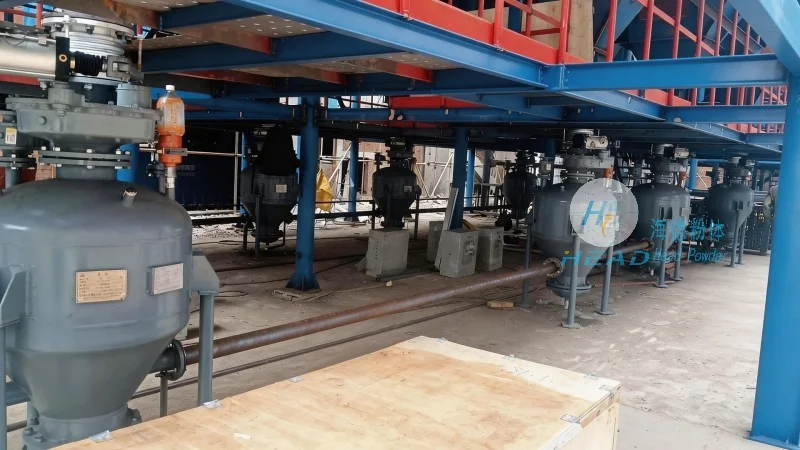
The core of iron fines pneumatic conveying lies in the use of compressed air or vacuum to transport the material. In a typical system, the iron fines are introduced into a hopper or feeder, where they are then drawn or pushed into a pipeline by the air flow. The air, acting as the conveying medium, creates a stream that carries the fine particles through the system. This process involves several key components: a feeding device to introduce the material, a pipeline network to transport it, and a separation system to collect the material at the destination. The pressure or vacuum level determines the conveying velocity and distance, with higher pressures enabling longer or more complex routes. The system can operate in either positive pressure (where air is forced through the line) or negative pressure (where air is drawn from the line), depending on the specific application requirements.
Key Characteristics of Iron Fines Pneumatic Conveying
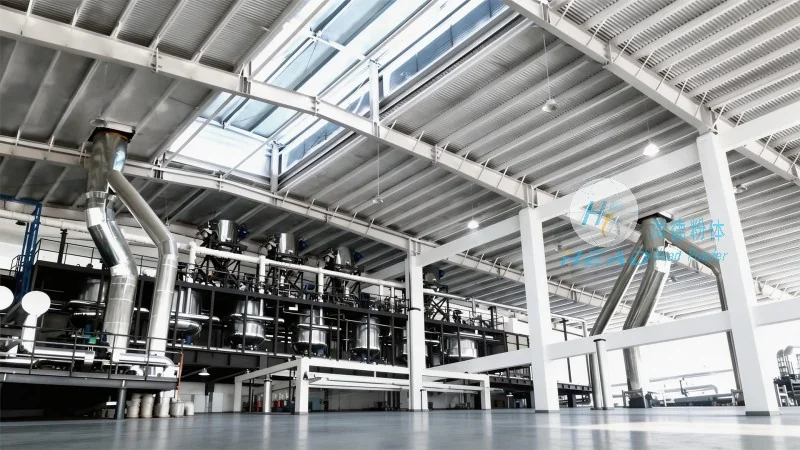
Iron fines pneumatic conveying systems exhibit several distinct characteristics that make them suitable for handling abrasive and fine materials. First, they provide a completely enclosed and dust-free environment, which is essential for maintaining hygiene and preventing contamination in sensitive applications. Second, the technology offers high efficiency in material transport, often achieving high conveying rates with minimal energy consumption compared to mechanical systems. Third, the system is highly flexible, allowing for changes in the layout or routing of the pipeline without major modifications. Additionally, pneumatic conveying reduces the risk of mechanical wear and damage to the material, as there are no moving parts in direct contact with the iron fines. This is particularly beneficial for iron fines, which can be abrasive and cause wear on traditional conveyor belts or belts. Finally, the system can be integrated with other processing equipment, such as crushers or classifiers, to form a seamless material handling line.
Company Overview - Shandong HeadPowder Engineering Co., Ltd.
Shandong HeadPowder Engineering Co., Ltd., commonly known as HeadPowder, is a leading provider of specialized engineering solutions for material handling and processing. HeadPowder is headquartered in Shandong, China, and has established itself as a trusted partner in the development and implementation of pneumatic conveying systems for various industries. The company focuses on delivering customized solutions that meet the unique needs of clients, particularly in the handling of iron fines and other fine powders. With a strong commitment to quality and innovation, HeadPowder employs advanced technology and rigorous testing to ensure that its systems are reliable, efficient, and durable. The company’s expertise spans the entire lifecycle of a pneumatic conveying system, from design and manufacturing to installation and maintenance.
Application Scenarios and Benefits in Industrial Settings
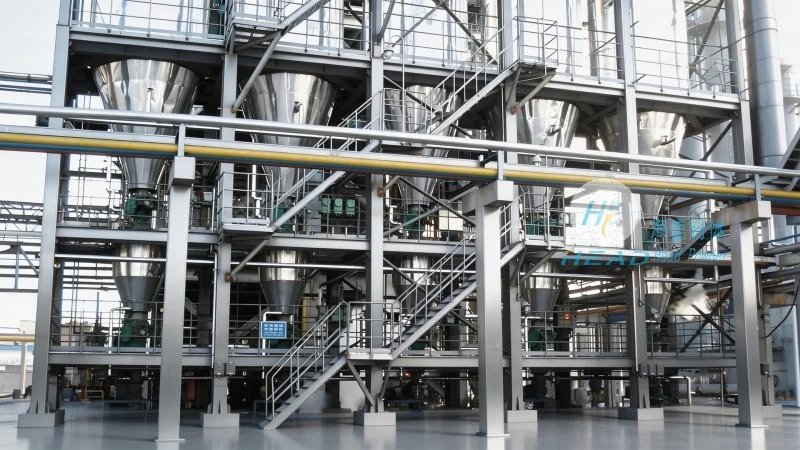
In industrial applications, iron fines pneumatic conveying is widely used in the steel and metallurgical industries. For example, in steel mills, the system is employed to transport iron fines from the production line to storage or recycling facilities. This not only improves the efficiency of material flow but also reduces the need for manual handling, which can be hazardous and inefficient. The enclosed nature of the system also helps in maintaining a clean and safe working environment, minimizing dust exposure for workers. In addition, the high conveying rates and flexibility of the system allow for seamless integration with other processes, such as crushing and screening, to form a complete material processing line. The benefits of using pneumatic conveying for iron fines extend beyond efficiency and safety; it also contributes to cost savings by reducing downtime and maintenance costs associated with traditional mechanical conveyors. By leveraging the advantages of pneumatic technology, industries can enhance their operational performance and achieve better overall productivity.




