Winery residue, such as grape pomace and other solid byproducts from the winemaking process, often requires efficient and hygienic handling methods. Air-driven powder transport, also known as pneumatic conveying, has emerged as a reliable solution for transporting these materials. This article explores the working principle and key characteristics of an air-driven powder transport system specifically designed for winery residue, highlighting how it addresses the unique challenges of handling such materials, developed by Shandong HeadPowder Engineering Co., Ltd.
Understanding the Working Principle of Air-Driven Powder Transport for Winery Residue
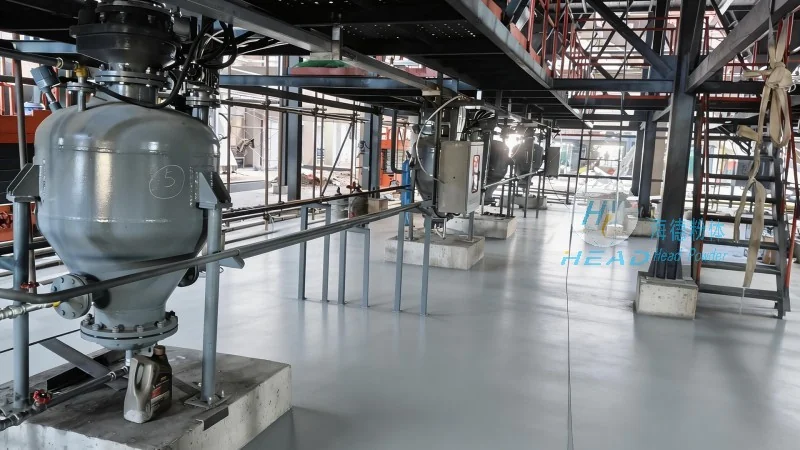
The air-driven powder transport system for winery residue operates on the principle of using compressed air to move solid particles through a pipeline. The process typically involves several key components: a material feed hopper, a conveying line, a pressure vessel or receiver, and a control system. When the winery residue is introduced into the feed hopper, it is then drawn into the conveying line by the pressure differential created by the compressed air. The air and solid particles form a slurry-like mixture, which is then transported through the pipeline to the destination point, such as a storage silo or processing unit. The system uses a combination of positive and negative pressure zones to ensure efficient and continuous transport, minimizing the risk of material clogging or blockages.
Key Characteristics of the Air-Driven Powder Transport System
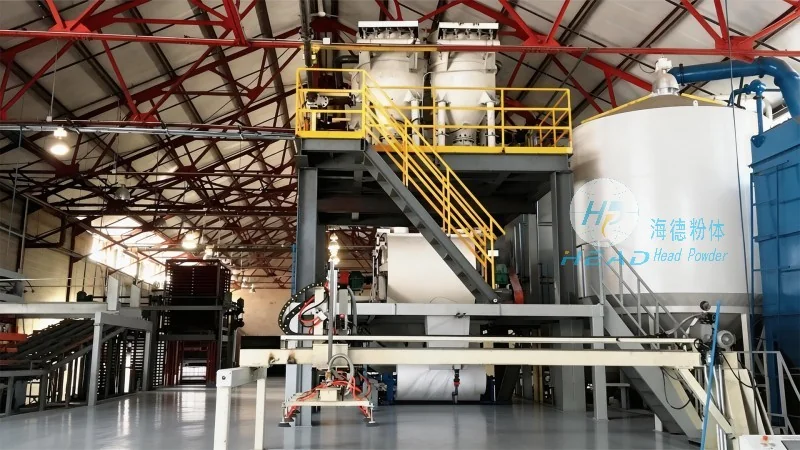
Several distinct characteristics make the air-driven powder transport system for winery residue an ideal choice for wineries and food processing facilities. Firstly, it offers a hygienic and closed system, which is crucial for maintaining the quality and safety of the residue. The enclosed pipeline prevents contamination from external sources and ensures that the material remains clean throughout the transport process. Secondly, the system is highly flexible and can be easily integrated into existing winery infrastructure. It can handle a wide range of particle sizes and moisture contents, making it suitable for various types of winery residues. Thirdly, the system is energy-efficient compared to traditional mechanical conveying methods, as it uses compressed air to move the material rather than mechanical components like belts or screws.
Benefits of Implementing an Air-Driven Powder Transport System for Winery Residue
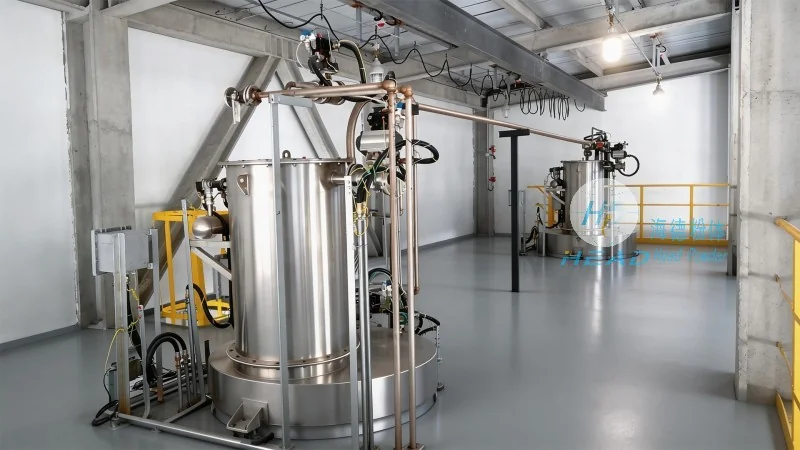
Adopting an air-driven powder transport system for winery residue brings numerous benefits to the overall winemaking process. By efficiently transporting the residue from the production area to storage or processing facilities, wineries can improve their operational efficiency and reduce labor costs associated with manual handling. The hygienic nature of the system also helps maintain the quality of the residue, which can be repurposed for animal feed or other value-added products. Furthermore, the system's flexibility allows wineries to adapt to changing production volumes and types of residue, ensuring consistent and reliable transport. The low maintenance requirements and energy efficiency of the system contribute to long-term cost savings and sustainability, aligning with the growing emphasis on environmentally friendly practices in the food industry.
Conclusion
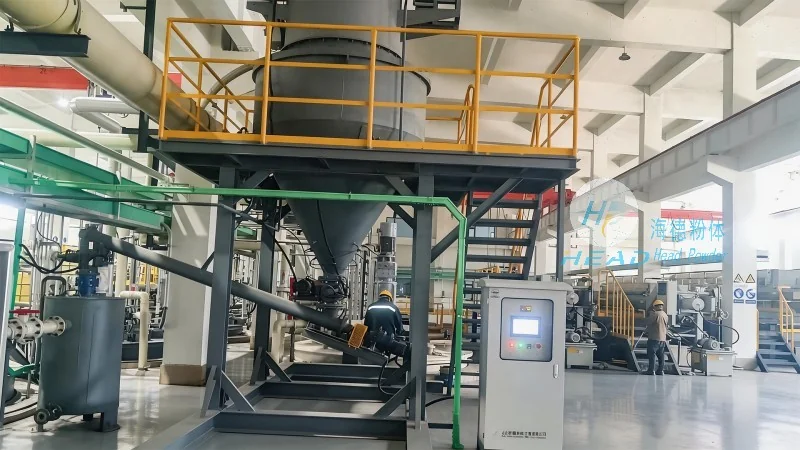
In conclusion, the air-driven powder transport system for winery residue is a sophisticated and effective solution for handling solid byproducts from the winemaking process. Its working principle, based on compressed air and a closed pipeline system, ensures efficient and hygienic transport. The key characteristics, including its hygienic design, flexibility, low maintenance, and energy efficiency, make it a preferred choice for wineries seeking to optimize their material handling operations. By implementing this system, wineries can enhance their operational efficiency, maintain product quality, and reduce environmental impact, ultimately contributing to the sustainability and profitability of their business.




