HeadPowder, a leading enterprise based in Shandong, China, specializes in the research and development of advanced pneumatic conveying systems for coal fly ash powder. This article provides a detailed overview of the working principle and key characteristics of such systems, offering insights into their operational efficiency and practical applications.
Understanding the Working Principle of Coal Fly Ash Powder Pneumatic Conveying
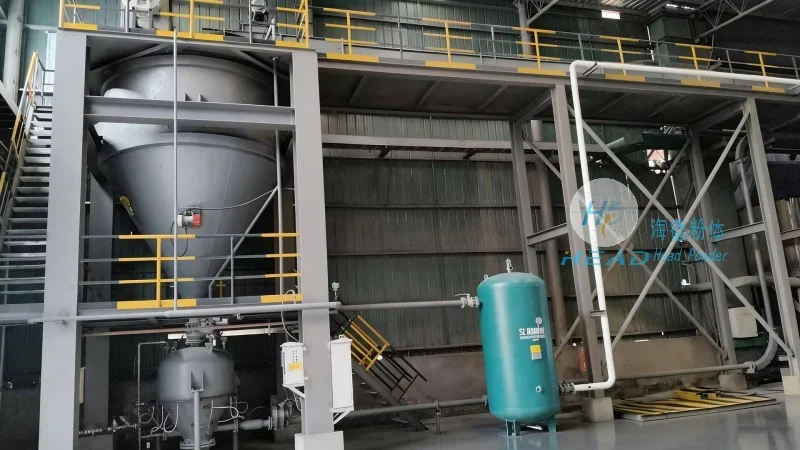
The core of coal fly ash powder pneumatic conveying lies in the use of air as the medium to transport solid particles. The system typically operates under either positive pressure or negative pressure, depending on the specific requirements of the application. In positive pressure systems, compressed air is introduced into the conveying line, creating a pressure differential that propels the coal fly ash particles forward. Conversely, negative pressure systems utilize suction to draw the material from the source to the destination, often employing a vacuum pump or fan to maintain the necessary airflow. The process involves several critical components, including the material feed hopper, which ensures a consistent supply of coal fly ash; the conveying pipeline, which may be made of materials like stainless steel or plastic to resist corrosion and abrasion; and the control valves that regulate the flow rate and pressure. The material is suspended in the air stream, allowing it to travel through the pipeline without the need for mechanical components like belts or buckets. This method effectively addresses the challenges associated with handling fine, dusty powders, such as coal fly ash, which are prone to caking and agglomeration.
Key Characteristics of Coal Fly Ash Powder Pneumatic Conveying Systems
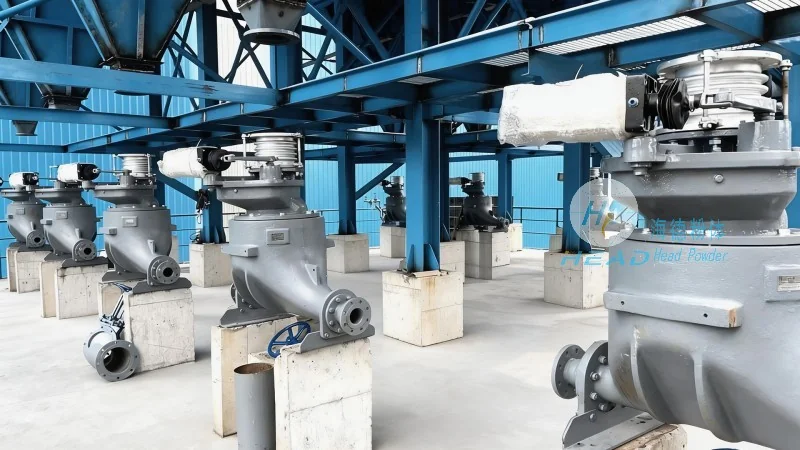
Coal fly ash powder pneumatic conveying systems exhibit several distinct advantages that make them ideal for industrial applications. Firstly, they offer high efficiency in material transport, with the ability to move large volumes of coal fly ash over considerable distances with minimal energy consumption. The system’s design minimizes material loss and contamination, as the sealed pipeline prevents dust from escaping into the environment, ensuring compliance with environmental regulations. Additionally, the process is highly flexible, allowing for easy integration with existing production lines and the ability to adjust the conveying rate based on operational needs. Another notable characteristic is the system’s ability to handle abrasive and corrosive materials, such as coal fly ash, without significant wear or damage to the equipment. This durability reduces maintenance costs and extends the lifespan of the conveying system. Furthermore, the pneumatic conveying method provides a safe and reliable means of transporting coal fly ash, as it eliminates the need for manual handling of powders, which can pose health risks like respiratory issues. The system also offers improved process control, enabling precise monitoring of the material flow and pressure, which is crucial for maintaining consistent product quality. In summary, the characteristics of coal fly ash powder pneumatic conveying systems align with modern industrial demands for efficiency, safety, and environmental responsibility.
Conclusion and Practical Applications
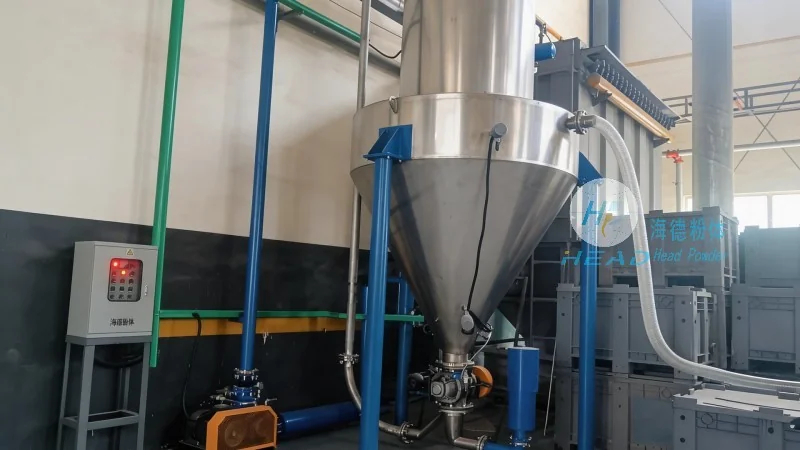
HeadPowder’s expertise in designing and implementing coal fly ash powder pneumatic conveying systems reflects a commitment to delivering solutions that meet the evolving needs of the industry. By leveraging advanced engineering principles and materials, these systems provide reliable and efficient transport of coal fly ash, contributing to the optimization of industrial processes. The working principle and characteristics outlined here highlight the effectiveness of pneumatic conveying as a superior method for handling fine powders, ensuring that coal fly ash can be transported safely and effectively from its source to various destinations, such as storage silos or processing facilities. As industries continue to prioritize sustainability and operational efficiency, the adoption of such systems will likely increase, further solidifying their role in the future of material handling.




