Wheat bran powder pneumatic conveying is a critical technology for the efficient handling of bulk dry materials, especially in the food and agricultural industries. This method utilizes compressed air as the primary medium to transport wheat bran powder through pipelines, ensuring a dust-free and controlled transport process. Understanding the working principle and key characteristics of such systems is essential for optimizing material flow, maintaining product quality, and enhancing operational efficiency in industrial settings.
Working Principle of Wheat Bran Powder Pneumatic Conveying
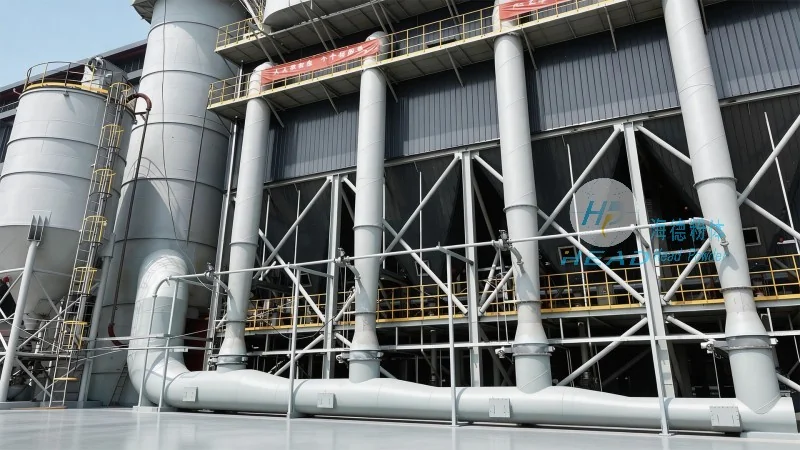
The fundamental working principle of wheat bran powder pneumatic conveying revolves around the use of air to lift and transport powder particles. In a typical system, a fan or blower generates high-pressure air, which is introduced into a hopper containing the wheat bran. As the air flows through the material, it creates a low-pressure zone that lifts the powder particles, forming a suspension that moves through the pipeline to the destination point, such as a silo or processing unit. The system operates in either dilute-phase or dense-phase modes. Dilute-phase conveying employs higher air velocities and lower material concentrations, suitable for fine powders where particle separation is minimal. Dense-phase conveying, on the other hand, uses lower air velocities and higher material concentrations, reducing particle breakage and minimizing system wear. This dual-mode capability allows the system to adapt to varying material properties and process requirements.
Key Characteristics of Wheat Bran Powder Pneumatic Conveying Systems
Wheat bran powder pneumatic conveying systems exhibit several distinct characteristics that make them advantageous for handling delicate and fine powders. Firstly, the enclosed and dust-free nature of the system ensures product purity and prevents contamination, which is paramount in food processing applications where hygiene standards are stringent. This is achieved by containing the material within a sealed pipeline and hopper, eliminating exposure to external elements. Secondly, the system offers precise control over material flow rates, enabling accurate dosing and regulation of the powder delivery. This is critical for processes that require consistent material input, such as blending or packaging. Adjustable air pressure and flow rates allow operators to fine-tune the conveying parameters to match the specific characteristics of the wheat bran, including particle size, moisture content, and flowability. Thirdly, these systems are compact and can be easily integrated into existing production lines, requiring minimal floor space compared to traditional mechanical conveyors. This makes them ideal for facilities with limited space or where retrofitting is necessary. Additionally, the enclosed design reduces material loss and improves overall material recovery rates, contributing to cost savings and environmental sustainability.
Application-Specific Considerations for Wheat Bran Powder Pneumatic Conveying
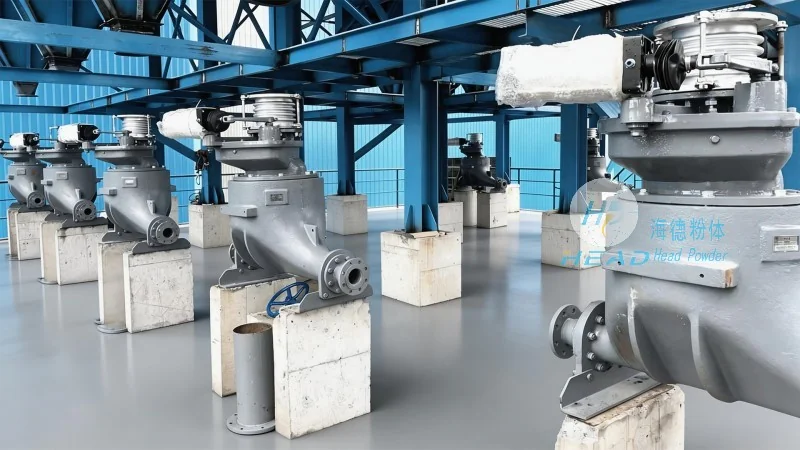
When implementing a wheat bran powder pneumatic conveying system, several factors must be carefully considered to ensure optimal performance and reliability. The first consideration is the physical properties of the wheat bran, such as particle size distribution and moisture content. Fine particles may require higher air velocities to prevent clogging, while cohesive or sticky powders might need pre-drying or the addition of anti-caking agents to improve flow characteristics. The hopper design is also critical; a well-designed hopper with appropriate aeration and flow aids ensures uniform material discharge and prevents bridging or rat-holing. The pipeline layout and diameter must be optimized to minimize pressure drop and maintain consistent air flow, which directly impacts conveying efficiency. Regular maintenance, including cleaning of the hopper, pipeline, and air filtration system, is essential to prevent blockages and maintain system performance. The choice of air compressor and fan type is another key factor, as it affects energy consumption and operational costs. High-efficiency, low-noise compressors are often preferred to reduce long-term operational expenses and environmental impact.
Advantages and Limitations of Wheat Bran Powder Pneumatic Conveying
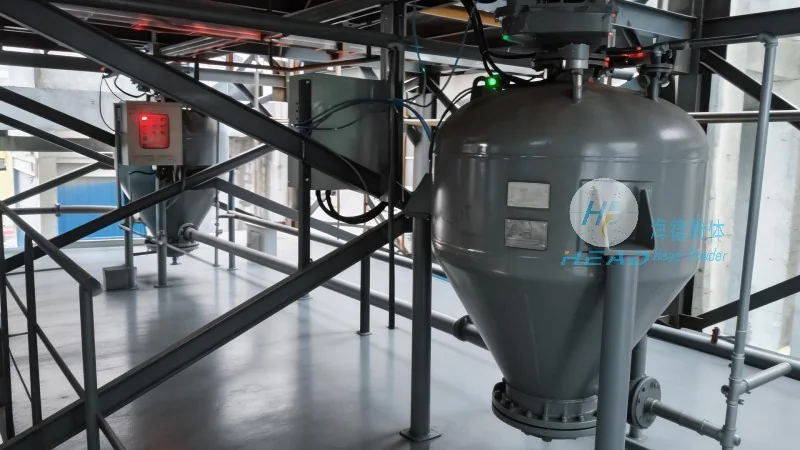
Wheat bran powder pneumatic conveying offers several notable advantages that make it a preferred solution for many industries. The primary advantage is the ability to transport materials in a completely enclosed environment, which enhances product quality and safety. This is particularly beneficial for wheat bran, which is often used in food products where any contamination could affect consumer health. Another advantage is the system's flexibility; it can be easily scaled up or down to accommodate varying production volumes, making it suitable for both small-scale and large-scale operations. The enclosed design also reduces the risk of material exposure to pests or moisture, which can degrade the quality of the wheat bran. However, there are also some limitations to consider. One of the main limitations is higher energy consumption compared to mechanical conveyors, as the air compressor and fan require significant power to operate. This can increase operational costs, especially for continuous high-volume operations. Additionally, the system may be susceptible to clogging if the wheat bran particles are too fine or have high moisture content, leading to reduced efficiency and potential downtime. Proper system design, including the use of appropriate air velocities and pipeline diameters, is crucial to mitigate these issues and ensure reliable operation. Despite these limitations, with proper maintenance and system optimization, pneumatic conveying systems can provide a cost-effective and efficient solution for handling wheat bran powder.
Conclusion: Enhancing Material Handling with Wheat Bran Powder Pneumatic Conveying
In conclusion, wheat bran powder pneumatic conveying is a highly effective method for transporting dry powder materials. Its working principle, based on compressed air, allows for efficient and controlled movement of the material through pipelines. The key characteristics of this system, including dust-free operation, precise flow control, and compact design, make it well-suited for various industrial applications. By understanding the working principle and characteristics of pneumatic conveying, manufacturers can optimize their material handling processes, improve product quality, and enhance overall operational efficiency. For companies like Shandong HeadPowder Engineering Co., Ltd., which specializes in providing advanced pneumatic conveying solutions, these systems represent a reliable and sustainable approach to handling bulk materials. Based in Shandong, China, the company leverages its expertise to deliver tailored solutions that meet the specific needs of the food and agricultural sectors, ensuring that wheat bran powder is transported safely and efficiently while maintaining the highest standards of quality and hygiene.




