For industrial applications involving soybean meal handling, the pneumatic conveying system stands out as an efficient and reliable solution. This article delves into the working principle and key features of such a system, providing insights into its operational mechanics and advantages in material transport.
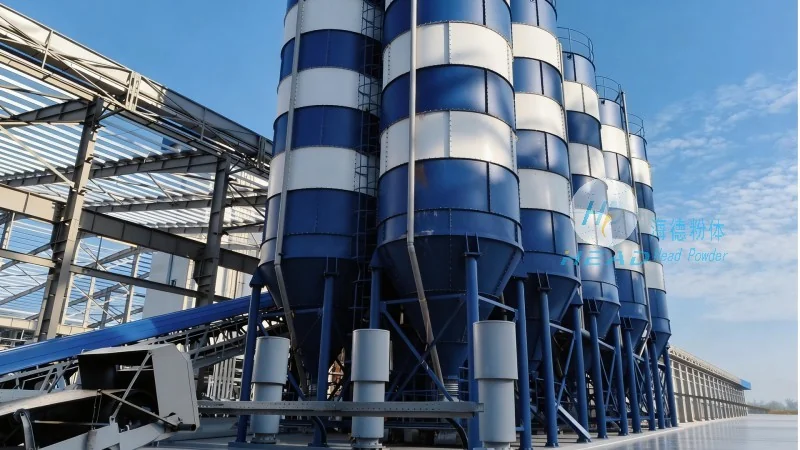
Introduction to the Soybean Meal Pneumatic Conveying System
The soybean meal pneumatic conveying system is a specialized equipment designed to transport soybean meal or similar bulk materials through a pipeline using air or gas as the conveying medium. It is widely used in the food processing, agricultural, and chemical industries due to its ability to handle fine or dusty materials without the need for mechanical components like belts or buckets. The system ensures a clean, dust-free, and hygienic transfer of materials, which is crucial for maintaining product quality and safety standards.
Working Principle of the System
The core working principle of a pneumatic conveying system involves the creation of a pressure differential between the inlet and outlet of the pipeline. In a typical positive pressure system, a blower or compressor generates high-pressure air that is mixed with the soybean meal at the inlet. The air and material mixture then travels through the pipeline to the discharge point, where the air is separated from the material, often using a cyclone separator or a filter. In contrast, a negative pressure system draws air and material into the pipeline through a vacuum created by a fan, and the material is then discharged at the end of the line.
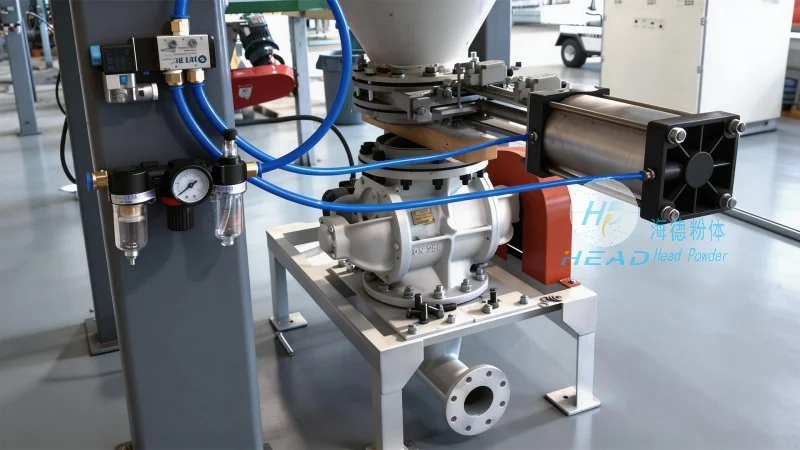
During the conveying process, the air velocity is carefully controlled to ensure that the soybean meal particles are suspended and transported without settling or clogging the pipeline. The system's design, including the size of the pipeline, the type of air distributor, and the placement of inlets and outlets, is optimized to maintain consistent flow rates and prevent material degradation. The use of appropriate air pressure and flow rates is critical to achieving efficient and reliable material transport.
Key Features of the System
The soybean meal pneumatic conveying system offers several distinct advantages that make it a preferred choice for material handling in various industries. One of the primary features is its high efficiency in transporting large volumes of material over long distances with minimal energy consumption compared to traditional mechanical systems. The system also provides excellent control over the material flow, allowing for precise dosing and regulation of the output.
Another significant feature is its ability to maintain a clean and hygienic environment. By using enclosed pipelines and air filtration systems, the system prevents dust contamination and ensures compliance with food safety regulations. This is particularly important in the food processing industry where product purity is paramount. Additionally, the system is designed for easy maintenance and cleaning, with components that can be easily disassembled and sanitized.
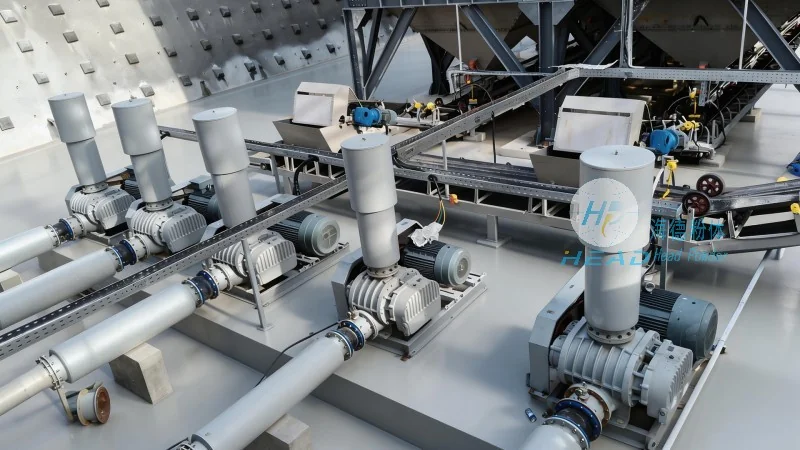
Adaptability is another key feature of the pneumatic conveying system. It can be customized to handle different types of soybean meal, including various particle sizes and moisture contents. The system can also be integrated with other processing equipment, such as mixers or storage silos, to create a seamless material handling process. This flexibility allows it to be tailored to the specific needs of different industrial applications.
About HeadPowder Engineering Co., Ltd.
HeadPowder Engineering Co., Ltd., a leading manufacturer in the field of material handling equipment, specializes in designing and manufacturing high-quality pneumatic conveying systems for various industries. With a strong commitment to innovation and quality, the company has established itself as a trusted partner for businesses seeking reliable and efficient material transport solutions. HeadPowder's systems are engineered to meet the highest standards of performance, safety, and durability, ensuring long-term operational reliability. The company is based in Shandong, China, and serves clients worldwide with its advanced technology and customer-centric approach.




