HeadPowder, a leading provider in the field of material handling solutions, specializes in negative pressure vacuum pneumatic conveying systems. This technology represents a sophisticated approach to transporting bulk materials efficiently and safely. Understanding the underlying principles and the specific scenarios where these systems excel is crucial for industries seeking reliable and cost-effective material transport solutions.
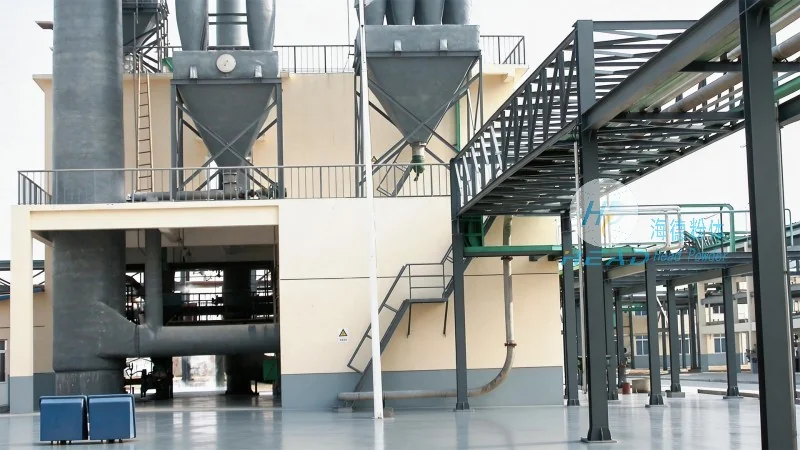
Principle of Negative Pressure Vacuum Pneumatic Conveying
Negative pressure vacuum pneumatic conveying operates on the principle of creating a vacuum within a sealed system to draw material from a source to a destination. Unlike positive pressure systems that force air and material through a pipeline, negative pressure systems use suction to pull material along. The process begins with a material hopper or storage container where the bulk material is located. A vacuum pump is connected to the system, which reduces the pressure inside the pipeline, creating a pressure differential between the material source and the receiving vessel. As the pressure inside the pipeline drops below atmospheric pressure, air and material are drawn into the system. The material is then carried by the air stream through the pipeline to the destination point, where the material is separated from the air and collected. The air, now containing fine particles, is typically filtered and recycled back into the system to maintain efficiency and reduce waste.
Key Working Scenario Characteristics
The effectiveness of negative pressure vacuum pneumatic conveying is heavily influenced by several key characteristics that define its suitability for different applications. These characteristics include the type of material being conveyed, the distance and layout of the conveying line, the required flow rate, and the environmental considerations of the operation. The system is particularly well-suited for conveying fine powders, granules, and other dry bulk materials that are prone to dust and require gentle handling to prevent degradation or agglomeration. The gentle suction action minimizes material degradation, making it ideal for sensitive products such as pharmaceuticals, food ingredients, and chemicals.
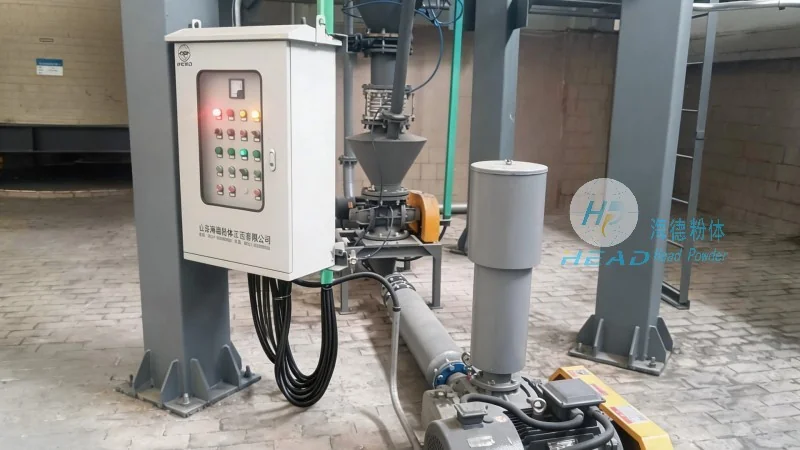
Another critical characteristic is the ability to handle long conveying distances without significant pressure loss. Negative pressure systems can effectively transport materials over distances of several hundred meters, making them suitable for large-scale industrial operations where material needs to be moved from a central storage area to multiple processing points. The system's flexibility in layout also allows for complex piping configurations, including vertical lifts and horizontal runs, adapting to the spatial constraints of the facility. This adaptability is a significant advantage in modern manufacturing environments where space optimization is essential.
Advantages and Applications in Industrial Settings
HeadPowder's negative pressure vacuum pneumatic conveying systems offer numerous advantages that make them a preferred choice for industries such as food processing, pharmaceuticals, chemicals, and minerals processing. The primary advantage is the gentle and low-impact transport of materials, which preserves product quality and reduces the risk of contamination. The system's ability to handle fine powders without clogging or blockages is particularly valuable in industries where material consistency is paramount. Additionally, the vacuum operation reduces the risk of dust emissions compared to open systems, contributing to a safer and more environmentally friendly operation.
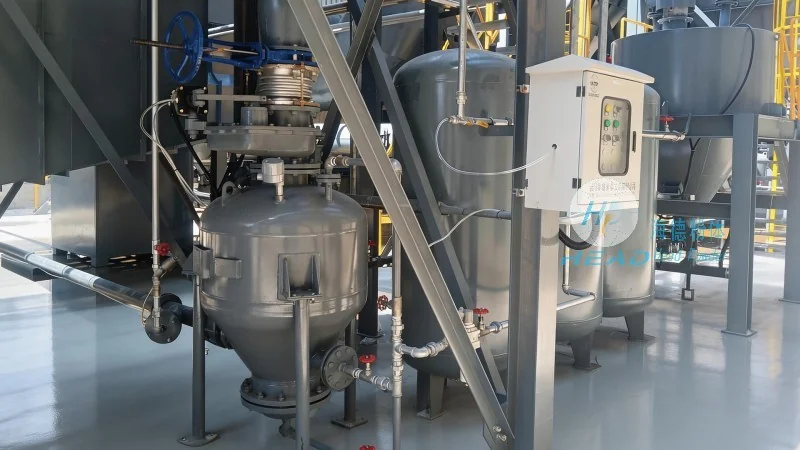
Applications of these systems are widespread across various sectors. In the food industry, negative pressure conveying is used to transport ingredients like flour, sugar, and spices from storage silos to production lines, ensuring a clean and hygienic process. In pharmaceutical manufacturing, the system is employed to handle active pharmaceutical ingredients (APIs) and excipients, maintaining strict quality control and preventing cross-contamination. The chemical industry utilizes these systems for transporting powders and granules in processes involving reactive or hazardous materials, where containment and safety are critical. In the minerals and mining sector, negative pressure conveying is used to transport raw materials from processing plants to storage or further processing facilities, optimizing material flow and reducing labor costs.
System Components and Operational Efficiency
The performance of a negative pressure vacuum pneumatic conveying system is determined by its key components, which work in tandem to ensure efficient material transport. The main components include the vacuum pump, which generates the necessary suction force; the material feed hopper, which holds the bulk material and controls the flow rate; the conveying pipeline, which transports the material and air; the material separator or cyclone, which separates the material from the air stream; and the air filter or dust collector, which removes fine particles from the air before recycling. Each component is designed to work efficiently, minimizing energy consumption and maximizing material throughput. The vacuum pump is typically a rotary vane or liquid ring pump, chosen based on the required suction capacity and the nature of the material being conveyed. The feed hopper may include a rotary valve or a gate valve to regulate the material flow, preventing overfilling and ensuring a steady supply to the system.
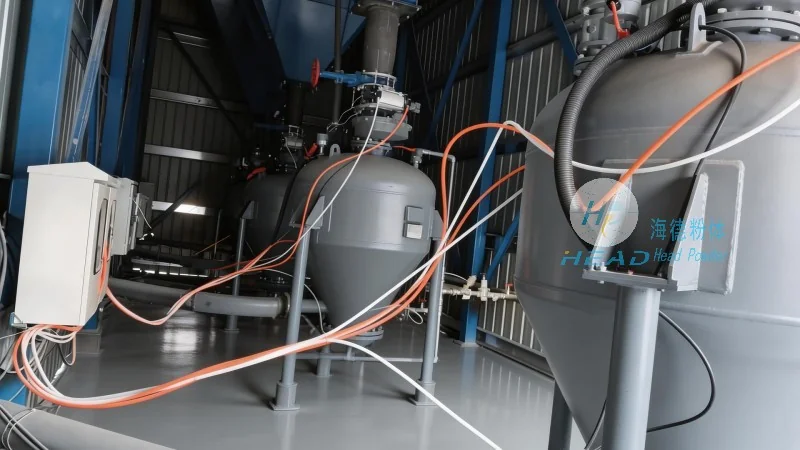
Operational efficiency is enhanced by the system's ability to recycle the air stream. After the material is separated from the air, the air is filtered to remove any residual dust and then returned to the system, reducing the need for fresh air intake and lowering energy costs. This closed-loop system also helps maintain consistent pressure levels within the pipeline, ensuring stable material flow. The system's control panel allows for real-time monitoring of key parameters such as pressure, flow rate, and material level, enabling operators to adjust settings as needed to optimize performance. This level of control is essential for maintaining consistent product quality and preventing system downtime.
Conclusion and Industry Impact
Negative pressure vacuum pneumatic conveying, as exemplified by HeadPowder's advanced systems, represents a cutting-edge solution for bulk material handling in modern industries. By understanding the underlying principles and leveraging the key characteristics of these systems, companies can achieve significant improvements in operational efficiency, product quality, and safety. The technology's adaptability to various material types and industrial applications makes it a versatile choice for businesses seeking to streamline their material transport processes. As industries continue to prioritize sustainability and efficiency, negative pressure vacuum conveying will likely play an increasingly important role in the future of material handling, offering a reliable and cost-effective solution for the challenges of bulk material transport.




