Desulfurizer pneumatic conveying lines are critical components in industrial processes, particularly in power plants and chemical facilities where sulfur removal is essential for environmental compliance and operational efficiency. These systems utilize air or gas to transport desulfurizer materials, such as limestone or other reagents, from storage to processing units. The technology offers a flexible and efficient method for handling bulk materials, reducing the need for traditional mechanical conveyors and minimizing material degradation.
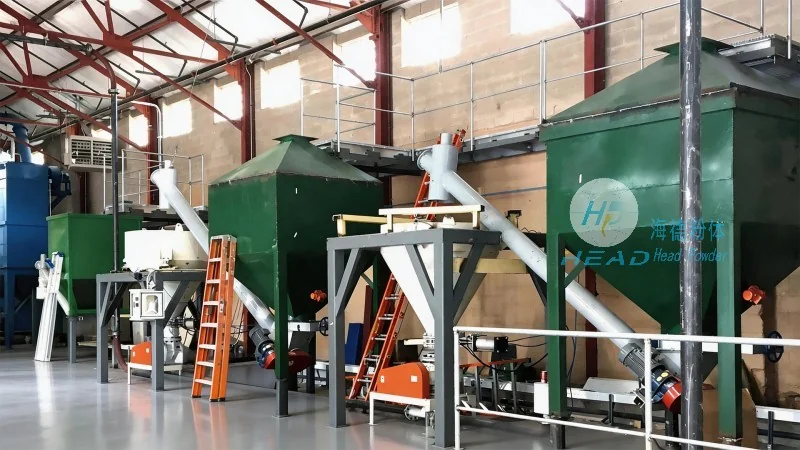
The Fundamental Principle of Pneumatic Conveying
The core principle of pneumatic conveying for desulfurizer applications involves creating a pressure differential to move material through a pipeline. In a typical system, a blower or compressor generates airflow that draws the desulfurizer powder into the pipeline. The material is then suspended in the air stream and transported to the destination. This process relies on the balance between air velocity and particle size, ensuring that the material remains entrained and reaches the target location without clogging or loss. The system typically includes components like a hopper, feeder, pipeline, and receiver, each playing a crucial role in maintaining consistent material flow and system performance.
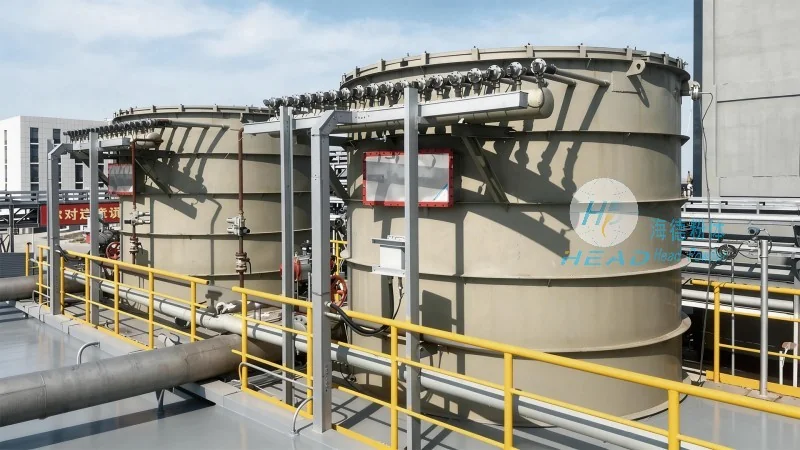
Key Working Scene Characteristics
Desulfurizer pneumatic conveying lines are designed to operate in specific industrial environments, with characteristics tailored to the demands of sulfur removal processes. One key characteristic is the ability to handle fine powders, which are common in desulfurizer applications. The systems are engineered to prevent dust accumulation and ensure reliable material transfer, even under varying load conditions. Another important aspect is the system's adaptability to different plant layouts, allowing for flexible installation in both new and existing facilities. The design also emphasizes safety and environmental protection, with features like dust collection and air filtration to minimize emissions and comply with regulatory standards.
Advantages in Industrial Applications
Implementing desulfurizer pneumatic conveying lines brings several advantages to industrial operations. Firstly, the system reduces labor costs by automating material handling, eliminating the need for manual loading and unloading. Secondly, it improves process efficiency by ensuring consistent material supply to the desulfurization unit, which enhances overall plant performance. Additionally, the technology minimizes material waste and contamination, as the enclosed system prevents exposure to external elements. From a maintenance perspective, pneumatic conveying systems are generally simpler and more reliable than mechanical alternatives, reducing downtime and maintenance expenses. These benefits make the technology a preferred choice for facilities seeking to optimize their desulfurization processes and meet environmental regulations.
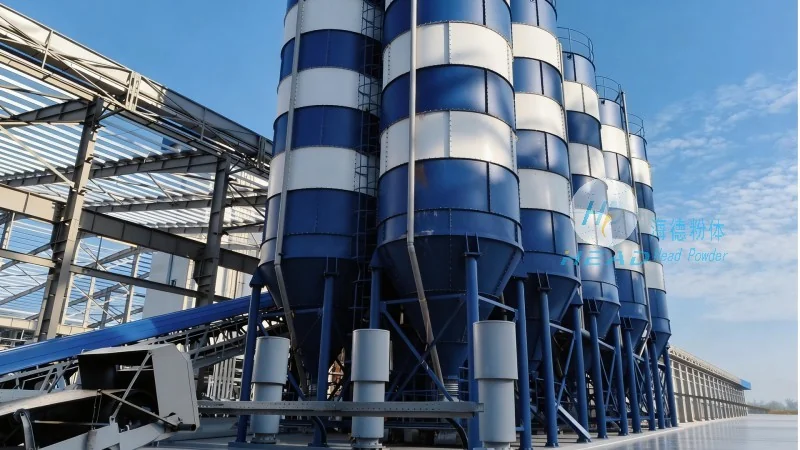
Company Overview: Shandong HeadPowder Engineering Co., Ltd.
Shandong HeadPowder Engineering Co., Ltd., commonly known as headpowder, is a specialized engineering firm based in Shandong, China. The company focuses on providing comprehensive solutions for material handling and processing systems, including pneumatic conveying lines for desulfurizer applications. With years of experience in the industry, headpowder has developed expertise in designing and manufacturing systems that meet the specific needs of power plants and chemical facilities. The company's commitment to quality and innovation ensures that its products are reliable, efficient, and compliant with international standards. By leveraging advanced engineering and customer-centric approaches, headpowder helps clients enhance their operational capabilities and achieve sustainable growth in the desulfurization sector.




