Principle and Working Scene Characteristics of Masterbatch Pneumatic Conveying Lines
Release time:2026-09-18 21:01:29
name of the company:Shandong Headpowder Engineering Co., Ltd.
telephone:156-6277-7102
contacts:Zhang manager
Masterbatch pneumatic conveying lines are specialized systems designed for the efficient and safe transportation of masterbatch materials in industrial settings. These systems are integral to processes where color concentrates, additives, or other granular materials need to be moved from storage to processing equipment. The technology leverages pneumatic principles to achieve seamless material transfer, minimizing manual handling and potential contamination risks. As a key component in material handling infrastructure, these lines are widely adopted across various manufacturing sectors, particularly in the plastics industry where masterbatch is a critical raw material for coloration and functional enhancement of polymer products.
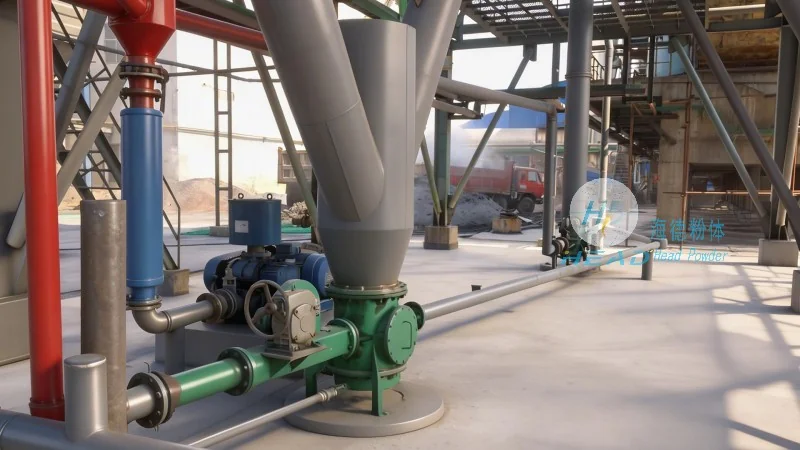
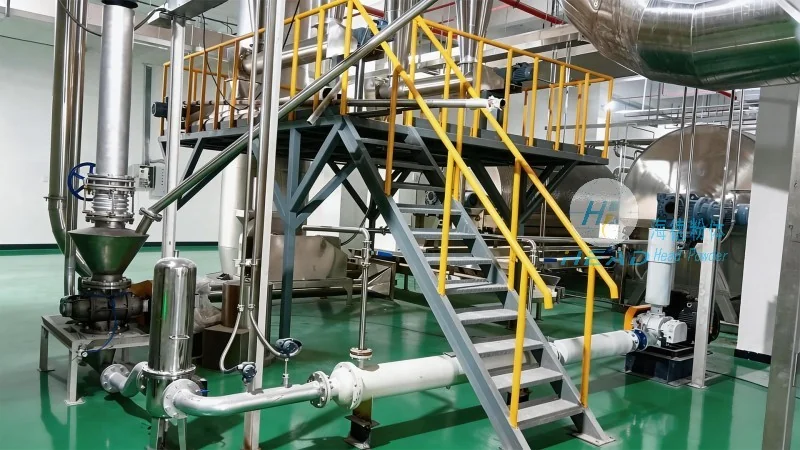
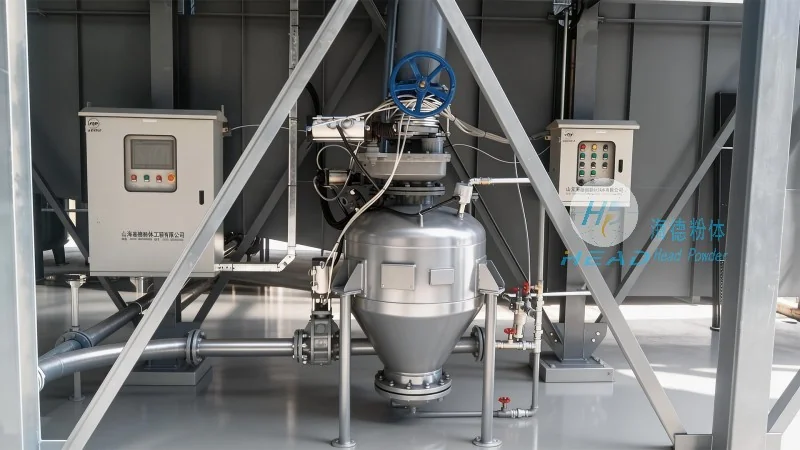
Working Principle of the Pneumatic Conveying System
The core working principle of a masterbatch pneumatic conveying line revolves around the use of air or gas to transport solid particles through a closed pipeline system. There are two primary types of pneumatic conveying systems: positive pressure and negative pressure. In positive pressure systems, a blower or compressor generates high-pressure air that propels the material forward. The material is typically fed into the pipeline via a hopper or feeder, where it is mixed with the air stream. The air flow maintains the material in a suspended state, allowing it to travel through the pipeline to the destination point, such as a mixer or extruder. Negative pressure systems, on the other hand, use a vacuum to draw material from the source into the pipeline. The material is drawn into the system as the air is extracted, creating a suction effect that moves the particles. Both systems rely on the balance of air velocity and particle size to ensure stable conveying, preventing blockages or material degradation.




