HeadPowder, a leading provider in the field of material handling equipment, specializes in the design, manufacturing, and supply of advanced pneumatic conveying systems. Our company, Shandong HeadPowder Engineering Co., Ltd., is headquartered in Shandong, China, and has established a strong reputation for delivering high-quality solutions tailored to the specific needs of various industries. This article delves into the principle and working scene characteristics of copper sulfate pneumatic conveying machines, highlighting their operational efficiency, reliability, and adaptability in handling this specific material.
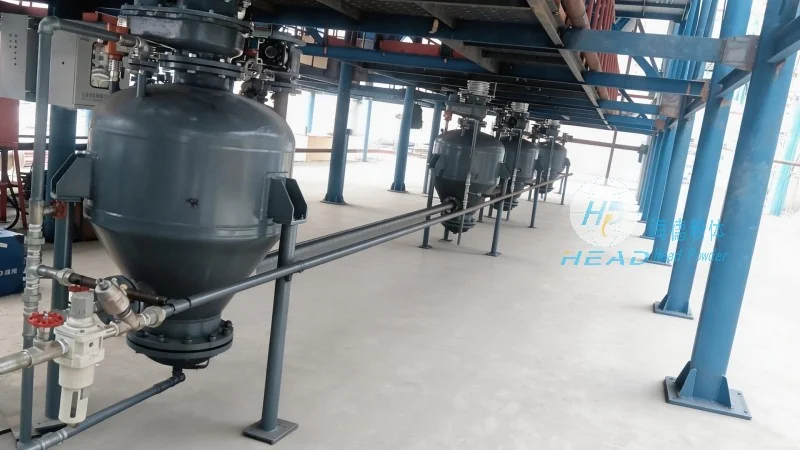
Understanding the Core Principle of Copper Sulfate Pneumatic Conveying Machines
The copper sulfate pneumatic conveying machine operates on the fundamental principle of pneumatic transport, which involves the movement of bulk materials through a pipeline using a pressurized or vacuum air stream. In the case of copper sulfate, a hygroscopic and slightly corrosive chemical, the conveying system must be engineered to handle these properties effectively. The machine typically consists of a hopper for material storage, a feeder to control the flow rate, a conveying pipe, and a receiver for the discharged material. The air flow, generated by a blower or fan, creates a low-pressure zone that draws the copper sulfate particles into the pipeline. As the material is entrained by the air, it travels through the system, often with the assistance of cyclone separators or filters to separate the material from the air at the receiving end. This process ensures a continuous and efficient transfer of copper sulfate from the source to the destination, minimizing material loss and operational downtime.
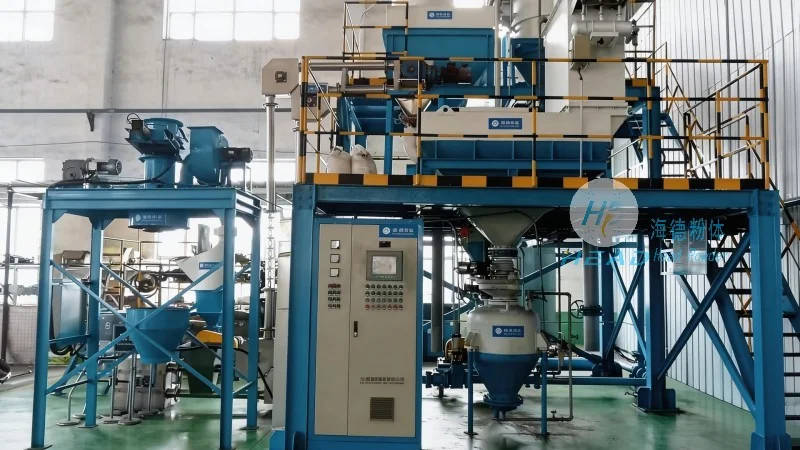
Key Working Scene Characteristics and Applications
The working scene characteristics of copper sulfate pneumatic conveying machines are tailored to the specific requirements of industrial processes where copper sulfate is used. These machines are commonly employed in chemical manufacturing facilities, where copper sulfate is produced or processed as a raw material for various applications, such as in the production of fungicides, pigments, and batteries. The system's ability to handle the hygroscopic nature of copper sulfate is crucial, as moisture can affect the material's flow characteristics and the overall efficiency of the conveying process. Additionally, the machine's design must account for the potential corrosive effects of copper sulfate on the conveying components, ensuring the use of appropriate materials like stainless steel or corrosion-resistant coatings to maintain durability and prevent material degradation.
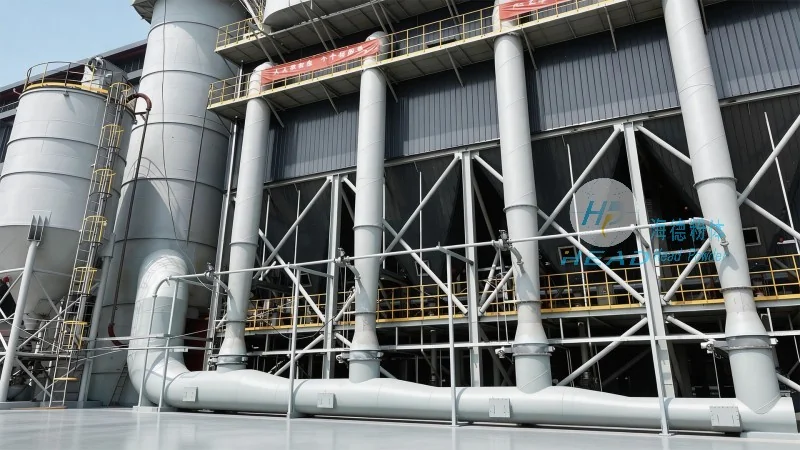
Operational Advantages and Efficiency in Handling Copper Sulfate
When compared to traditional mechanical conveying methods, such as screw conveyors or belt conveyors, copper sulfate pneumatic conveying machines offer several distinct advantages. The primary benefit is the ability to handle the material in a closed system, which reduces dust emissions and improves workplace safety. This is particularly important in environments where copper sulfate is handled in large quantities, as dust can pose health risks and affect the quality of the material. Furthermore, the pneumatic system allows for a more flexible and adaptable layout, as the conveying pipeline can be arranged in various configurations to suit the spatial constraints of the facility. The system's ability to maintain a consistent flow rate and pressure also contributes to improved material handling efficiency, reducing the risk of blockages or material buildup in the pipeline.
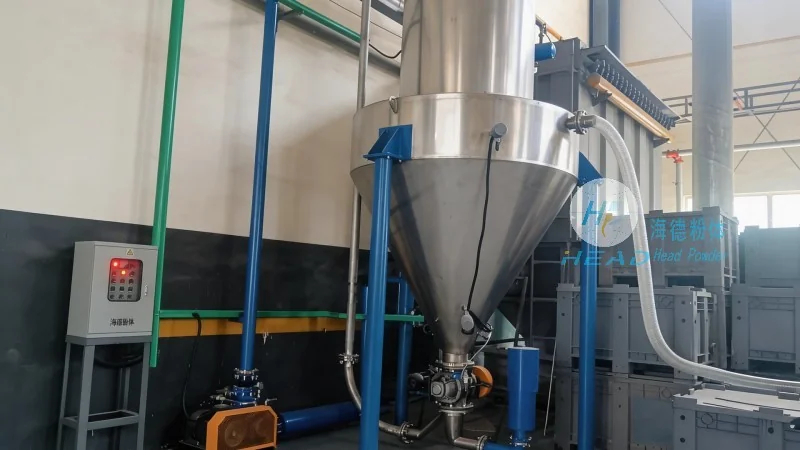
Customization and Adaptability for Specific Industry Needs
HeadPowder recognizes that each industrial application has unique requirements, and our copper sulfate pneumatic conveying machines are designed with customization in mind. We offer a range of options to accommodate different material characteristics, such as varying particle sizes, moisture content, or corrosivity levels. For example, the hopper design can be modified to handle bulk quantities of copper sulfate, while the feeder mechanism can be adjusted to control the flow rate based on the downstream processing requirements. The conveying pipe diameter and length can also be tailored to the specific layout of the facility, ensuring optimal performance and minimal energy consumption. Our engineering team works closely with clients to understand their operational needs and develop a customized solution that maximizes efficiency and reliability.




