Shandong HeadPowder Engineering Co., Ltd., commonly known as headpowder, is a professional manufacturer specializing in vacuum material handling pneumatic conveying systems. The company is headquartered in Shandong, China, and has established itself as a leading provider of advanced solutions for efficient and reliable material transport in various industrial applications. With a strong commitment to quality and innovation, headpowder delivers equipment that meets the highest standards of performance and safety.
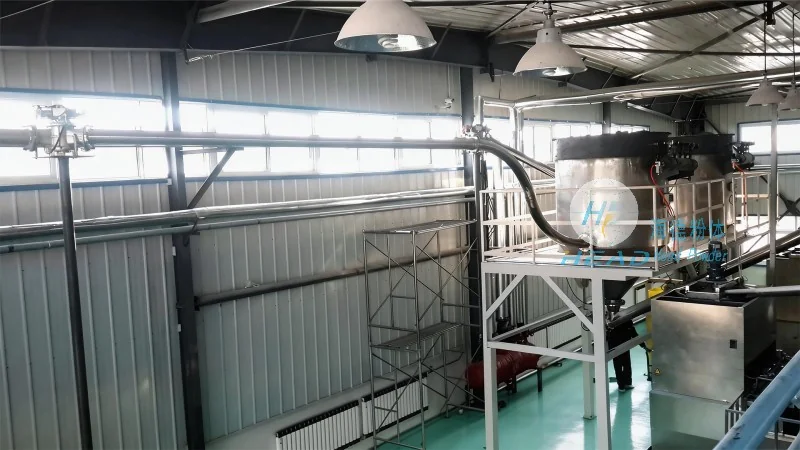
Introduction to Vacuum Material Handling Pneumatic Conveying Systems
Vacuum material handling pneumatic conveying systems are advanced equipment designed to transport bulk materials from one location to another using the principles of vacuum technology. These systems are widely used in industries such as chemical, food, pharmaceutical, and manufacturing, where the need for efficient, dust-free, and safe material transport is critical. The core components of a vacuum conveying system typically include a vacuum pump, a material hopper, a filter, and a conveying line, all working in tandem to achieve seamless material transfer. The systems are engineered to handle a variety of materials, including powders, granules, and bulk solids, with precision and minimal degradation.
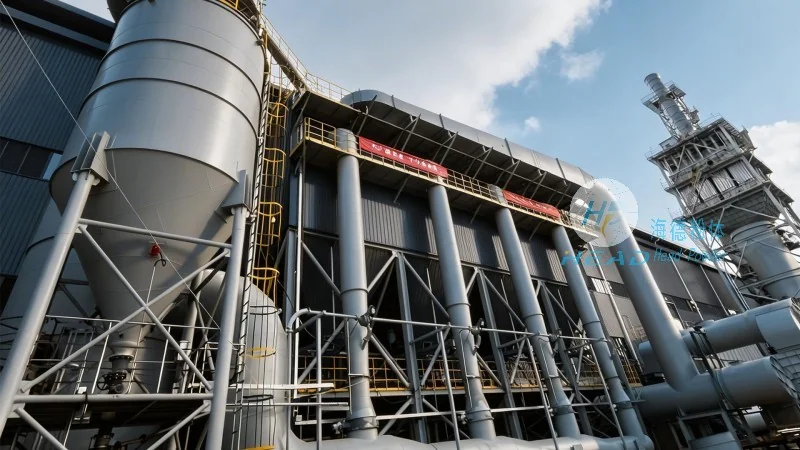
Principle of Operation
The fundamental principle of vacuum material handling is based on creating a pressure differential between the material source and the receiving point. The vacuum pump generates a negative pressure in the conveying line, which draws the material from the hopper into the system. As the material is drawn, it passes through a filter to remove any fine particles or contaminants, ensuring a clean and efficient transfer process. The material is then transported through the pipeline to the discharge point, where the pressure is released, allowing the material to be deposited into the target container or storage area. This process is continuous and can be automated to operate 24/7, providing a seamless and efficient material transfer solution. The vacuum technology used in these systems allows for precise control over the material flow rate, ensuring consistent and reliable delivery to the end point.
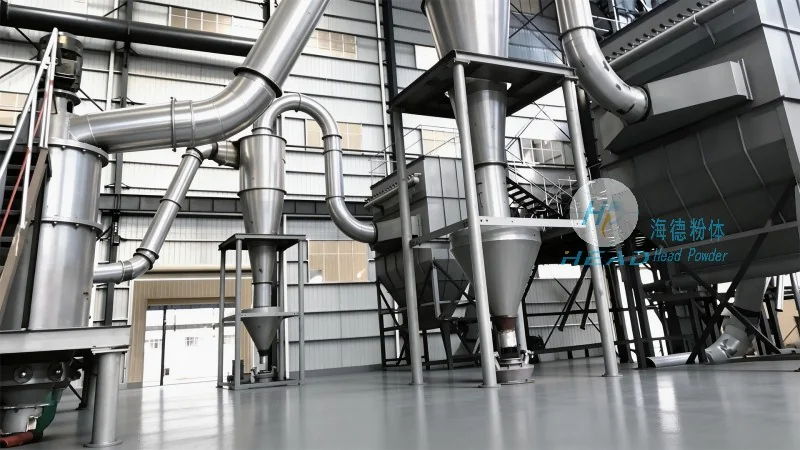
Working Scene Characteristics
The working scene characteristics of vacuum material handling systems are tailored to meet the diverse needs of industrial environments. In chemical plants, these systems are used to transport chemicals, pigments, and additives, often handling materials that are sensitive to moisture or air exposure. The enclosed design of the conveying line prevents contamination and ensures that the material remains in a controlled environment throughout the transfer process. In food processing facilities, the systems are designed to handle food-grade powders and granules, adhering to strict hygiene standards and preventing cross-contamination between different products. Pharmaceutical applications benefit from the sterile and controlled conditions provided by vacuum conveying, which is essential for maintaining product purity and safety. Additionally, in manufacturing and processing plants, the systems are integrated into production lines to automate material handling, reducing labor costs and improving overall operational efficiency. The flexibility of vacuum conveying allows for easy adaptation to different material types and processing requirements, making it a versatile solution for various industrial applications. The systems are also suitable for applications requiring long-distance transport, as the vacuum technology can maintain consistent material flow over extended pipelines without significant loss or degradation.
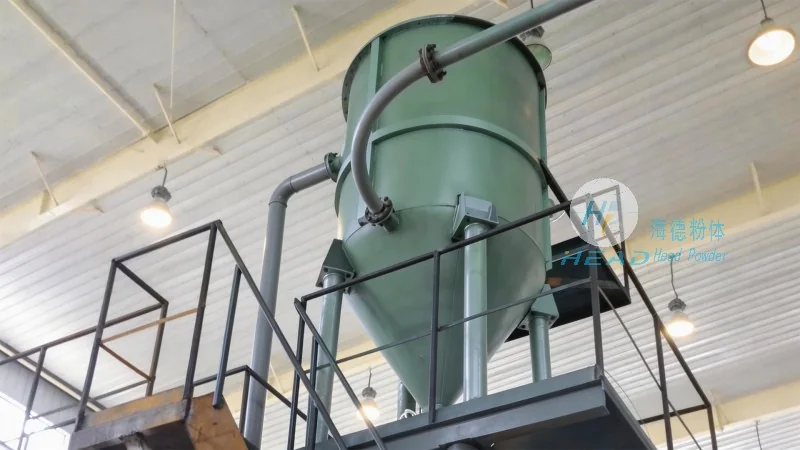
Technical Advantages and Applications
Vacuum material handling pneumatic conveying systems offer several technical advantages that make them ideal for modern industrial operations. One of the key benefits is the ability to handle a wide range of materials, including fine powders, granules, and even bulk solids, with minimal degradation or loss. The systems are also highly flexible, allowing for easy integration into existing production lines and adaptation to changing material requirements. Furthermore, the enclosed design of the conveying line helps to contain dust and prevent environmental contamination, which is crucial for maintaining workplace safety and regulatory compliance. In terms of applications, these systems are used in various industries, including chemical processing, food and beverage manufacturing, pharmaceutical production, and material handling in industrial plants. They are particularly effective for long-distance transport, as the vacuum technology can maintain consistent material flow over extended pipelines, ensuring reliable and continuous operation. The systems also support automated control, allowing for real-time monitoring and adjustment of the conveying process, which enhances operational efficiency and reduces downtime. Another advantage is the energy efficiency of vacuum conveying systems, as they typically consume less power compared to other material transport methods like belt conveyors or bucket elevators. This makes them a cost-effective solution for businesses looking to optimize their material handling processes while reducing operational costs.




