HeadPowder, a leading manufacturer based in Shandong, China, specializes in the design and production of advanced pneumatic conveying equipment for various industrial applications. This article explores the fundamental principles behind rubber granule pneumatic conveying systems and highlights key working scene characteristics that make them ideal for specific industrial processes.
The Working Principle of Pneumatic Conveying for Rubber Granules
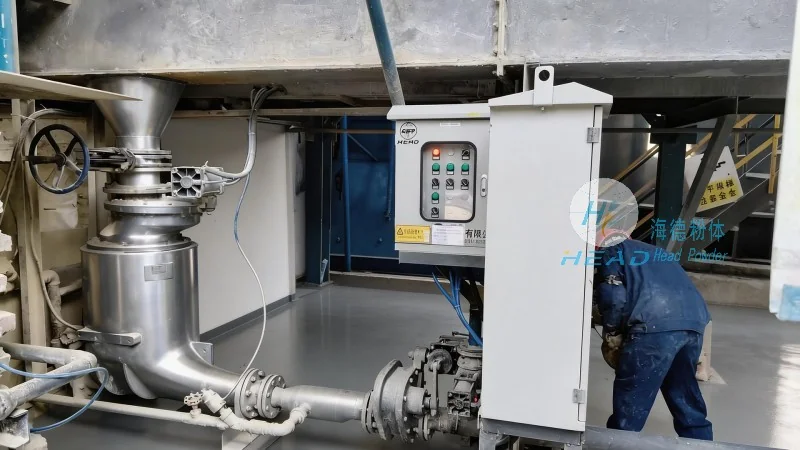
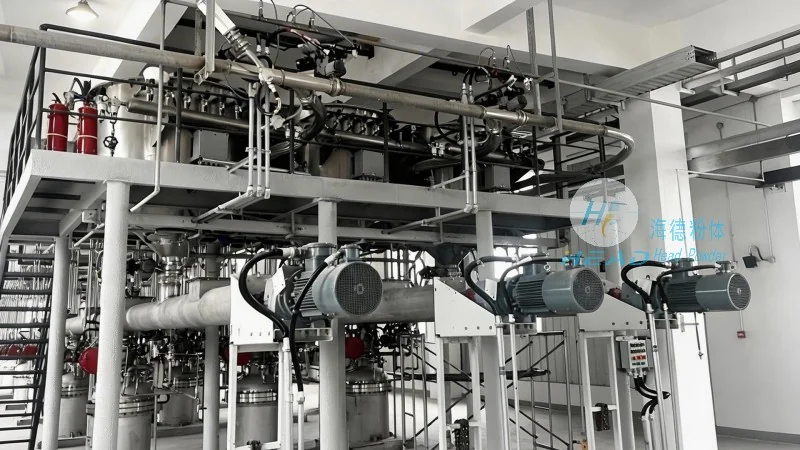
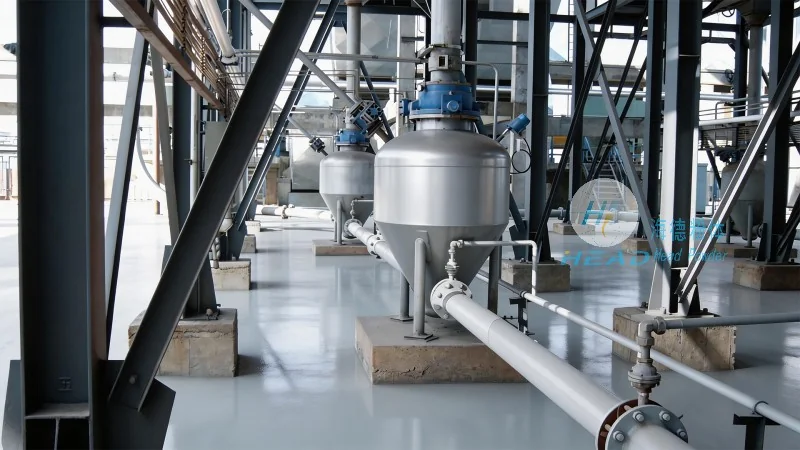
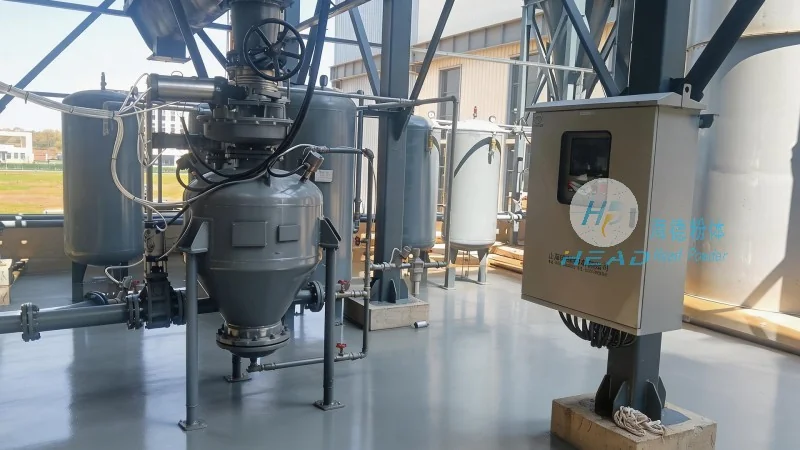
Rubber granule pneumatic conveying systems operate on the principle of transporting bulk materials through a pipeline using a stream of air or other gas. The process typically involves a combination of positive and negative pressure systems, depending on the application requirements. In a positive pressure system, air is blown into the conveying line, creating a pressure higher than the ambient air, which propels the rubber granules forward. Conversely, negative pressure systems draw air and material through the line, creating a vacuum that pulls the material along. The choice between these systems depends on factors such as the distance to be covered, the material's properties, and the need for dust control. For rubber granules, which are often fine and can generate dust, a well-designed system ensures efficient transport while minimizing environmental impact. The equipment includes a hopper to store the rubber granules, a feeder to control the material flow, a conveyor line with appropriate diameter and length, and a receiver to collect the material at the destination. The air flow rate is carefully regulated to maintain consistent velocity, preventing material deposition or blockages in the pipeline. This controlled air flow also helps in maintaining the material's quality by preventing excessive friction or heat generation, which could degrade the rubber properties.
Key Working Scene Characteristics of Rubber Granule Pneumatic Conveying
The working scene characteristics of rubber granule pneumatic conveying systems are tailored to meet the specific demands of industrial environments where rubber granules are processed or transported. One of the primary characteristics is the ability to handle fine, abrasive materials without causing excessive wear on the equipment components. Rubber granules, especially those used in tire recycling or manufacturing, can be hard and irregularly shaped, requiring robust materials for the conveyor line and components. HeadPowder's systems utilize high-quality stainless steel or specialized polymers for the pipeline and fittings, ensuring durability and long service life. Another important characteristic is the system's adaptability to different operational conditions, such as varying material loads and flow rates. The adjustable feeder and air control mechanisms allow operators to optimize the conveying process for different production volumes, ensuring efficiency and cost-effectiveness. Additionally, the systems are designed for easy integration into existing production lines, minimizing downtime during installation and operation. The working scenes often involve multiple stages of material handling, such as from storage to processing equipment or from processing to packaging. The pneumatic conveying system acts as a seamless link between these stages, maintaining a continuous flow of rubber granules without the need for manual handling or intermediate storage. This integration enhances overall production efficiency and reduces the risk of material contamination or loss. Furthermore, the systems are equipped with safety features to protect operators and the environment. For example, dust collection systems are integrated to capture any airborne rubber particles, preventing pollution and ensuring compliance with environmental regulations. The control panels provide real-time monitoring of pressure, flow rate, and material level, allowing for immediate adjustments if any issues arise. These features make the systems suitable for both small-scale and large-scale industrial applications, from tire manufacturing plants to recycling facilities.




