HeadPowder, a leading engineering firm based in Shandong, China, specializes in the design and implementation of advanced limestone material handling systems. These systems are crucial for efficient transportation and processing of limestone, a key raw material in various industrial applications. This article explores the fundamental principles behind such systems and highlights their operational characteristics in real-world industrial settings.
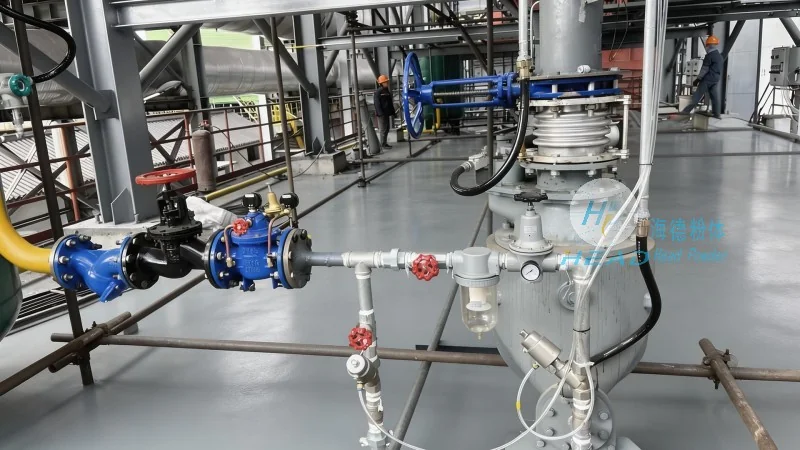
Core Principles of Limestone Material Handling Equipment
The limestone material handling system operates on several core principles that ensure optimal performance and reliability. First, the system utilizes robust machinery designed to handle the physical properties of limestone, including its density, abrasiveness, and particle size. This involves the use of high-quality conveyor belts, feeders, and elevators that can withstand the mechanical stress and wear associated with limestone transport. Second, the system emphasizes precision control and automation to maintain consistent material flow rates, which is essential for downstream processing operations. Third, the design incorporates safety features and maintenance protocols to ensure continuous operation with minimal downtime. These principles collectively contribute to the efficiency and durability of the limestone handling equipment.
Working Scene Characteristics in Industrial Applications
Limestone material handling systems are deployed in diverse industrial environments, each presenting unique operational characteristics. In cement production facilities, for instance, the system must handle large volumes of limestone with high throughput rates. The equipment is typically integrated with other processing units, such as crushers and grinders, to form a seamless production line. The working scene in cement plants involves continuous material movement, often over long distances, requiring reliable conveyor systems and efficient feeding mechanisms. Another application is in chemical manufacturing, where limestone is used as a raw material for producing calcium compounds. Here, the system may involve specialized equipment like pneumatic conveyors or bucket elevators to transport limestone to processing reactors. The operational characteristics in these settings include precise control of material moisture content and temperature, as well as adherence to strict safety regulations due to the handling of potentially hazardous materials. Additionally, in mining operations, limestone material handling systems are used to transport mined limestone from open-pit or underground mines to processing facilities. The working scene in mining involves rugged terrain and heavy-duty equipment capable of withstanding harsh environmental conditions. The system must be designed for durability and resistance to corrosion, ensuring long-term performance in challenging mining environments.
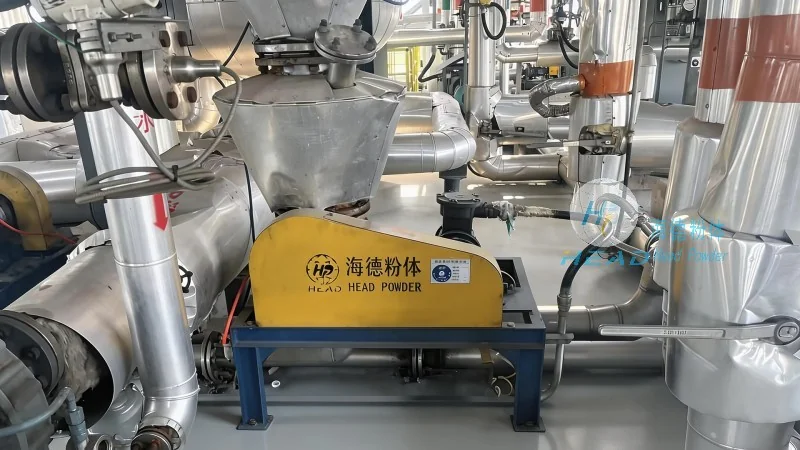
Key Components and Their Functional Roles
The limestone material handling system comprises several critical components, each playing a vital role in the overall operation. The primary component is the conveyor system, which includes belt conveyors, screw conveyors, and chain conveyors. Belt conveyors are commonly used for horizontal and slight incline transport due to their high load capacity and low friction. Screw conveyors are ideal for vertical or inclined transport, particularly in confined spaces. Chain conveyors, on the other hand, are suitable for heavy-duty applications requiring high tension and durability. The feeder is another essential component, responsible for evenly distributing the limestone material onto the conveyor belt. This ensures consistent flow and prevents material buildup or uneven distribution. The elevator, or vertical conveyor, is used to lift limestone from lower to higher levels, facilitating vertical transport in multi-level industrial facilities. The control system, often integrated with sensors and automation technology, monitors and regulates the operation of these components, ensuring optimal performance and safety. Regular maintenance of these components is crucial to maintain the system's efficiency and longevity.
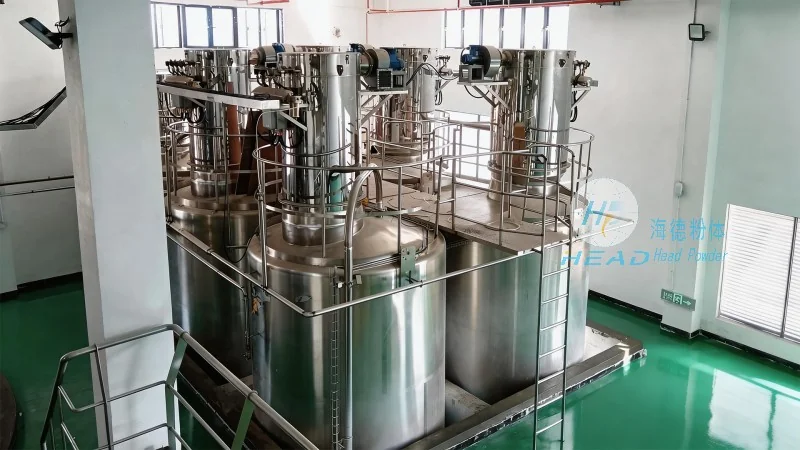
Advantages and Operational Benefits
Implementing a limestone material handling system offers several advantages for industrial operations. First, it significantly improves material transport efficiency, reducing the time and labor required for manual handling. The automated system ensures consistent material flow, which enhances the productivity of downstream processes. Second, the system minimizes material loss and contamination, as it is designed to handle limestone without causing breakage or dust generation. This is particularly important in industries where material purity is critical, such as cement and chemical production. Third, the system enhances workplace safety by reducing the need for manual handling of heavy or abrasive materials. The automated operation minimizes the risk of accidents and injuries, contributing to a safer working environment. Additionally, the system's modular design allows for easy integration with existing industrial infrastructure, reducing installation time and costs. The durability and reliability of the equipment ensure long-term operational performance, minimizing downtime and maintenance expenses.
Conclusion
HeadPowder's limestone material handling systems exemplify advanced engineering solutions tailored to the specific needs of industrial applications. By adhering to core principles of robust design, precision control, and safety, these systems provide efficient and reliable transport of limestone in various industrial settings. The working scene characteristics, ranging from cement production to mining operations, highlight the versatility and adaptability of the equipment. With its focus on durability, automation, and safety, the limestone material handling system from Shandong HeadPowder Engineering Co., Ltd. is a critical asset for industries relying on limestone as a raw material. The company's expertise in engineering and manufacturing ensures that these systems meet the highest standards of performance and reliability, supporting the growth and efficiency of industrial operations worldwide.




