HeadPowder, a leading enterprise in the field of industrial material handling, specializes in the design, manufacturing, and supply of advanced automatic quantitative ingredient feeding and material conveying systems. Based in Shandong, China, the company has established itself as a reliable partner for businesses seeking efficient and precise material processing solutions. This article delves into the core principles of such systems, highlighting their operational mechanisms and the diverse working environments where they are applied.
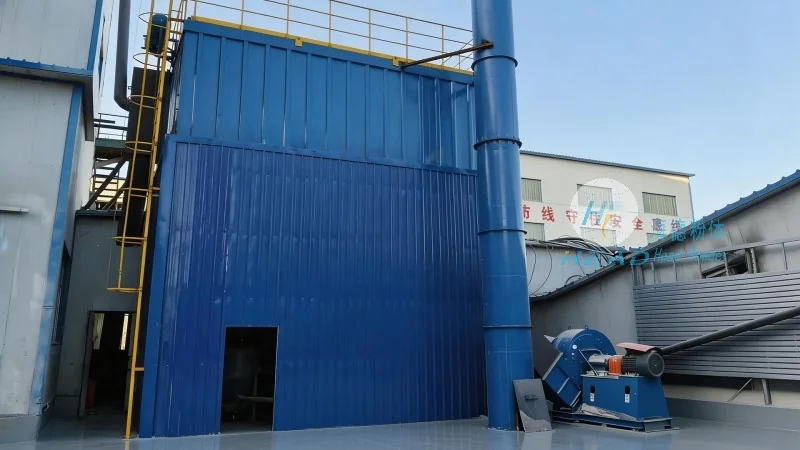
Core Principles of the Automatic Quantitative Ingredient Feeding System
The automatic quantitative ingredient feeding system is engineered to ensure accurate measurement and controlled delivery of raw materials or ingredients. At its heart lies a combination of precision sensors, advanced control algorithms, and robust mechanical components. The system typically incorporates gravimetric or volumetric measurement technologies to achieve high levels of accuracy, often within a tolerance range of ±0.1% or better. This precision is crucial for industries where ingredient consistency directly impacts product quality, such as in pharmaceuticals, food processing, and chemical manufacturing.
Key components of the system include load cells, which provide real-time weight data, and a programmable logic controller (PLC) that processes this data and adjusts the feeding mechanism accordingly. The feeding mechanism may consist of screw conveyors, belt feeders, or vibrating feeders, each selected based on the material's characteristics—such as bulk density, flowability, and particle size. The integration of these components allows for seamless and automated material handling, minimizing human intervention and reducing the risk of errors associated with manual feeding.
Working Scene Characteristics and Application Environments
The automatic quantitative ingredient feeding and material conveying system is designed to operate in a wide range of industrial settings, adapting to the specific demands of each application. These systems are commonly found in manufacturing facilities, processing plants, and production lines where consistent material flow is essential. The working scene characteristics include:
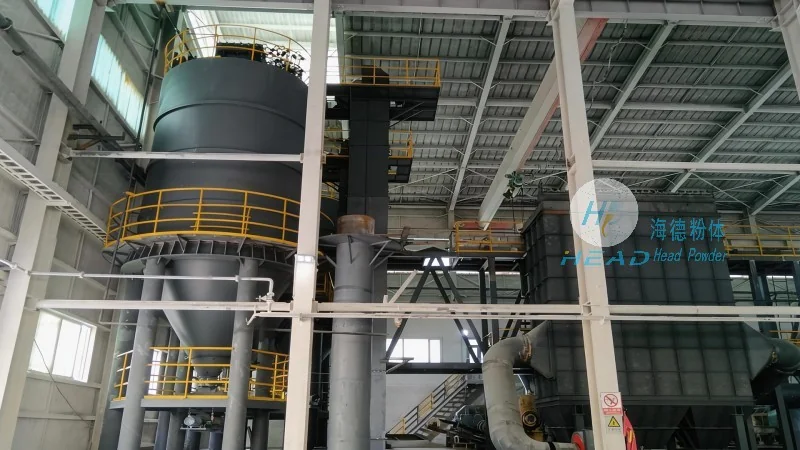
1. High-Volume Production Environments: In large-scale production lines, these systems are critical for maintaining a steady supply of ingredients, ensuring that each batch of product meets quality standards. The ability to handle high throughput while maintaining precision makes them ideal for industries like cement production, where large quantities of raw materials are processed daily.
2. Pharmaceutical and Food Processing Industries: In these sectors, where hygiene and contamination control are paramount, the systems are equipped with stainless steel construction and sealed components. This design prevents cross-contamination and ensures compliance with regulatory standards. The precise dosing capabilities are vital for formulations that require exact ingredient ratios, such as in the production of pharmaceutical tablets or food products.
3. Chemical and Petrochemical Plants: These environments often involve handling hazardous or reactive materials. The systems are designed with explosion-proof features and robust sealing to prevent leaks and ensure safety. The automated feeding process reduces the exposure of operators to dangerous substances, enhancing workplace safety.
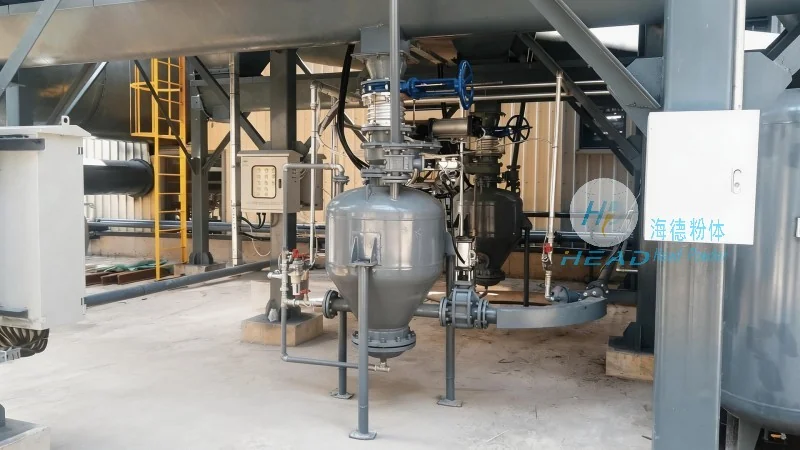
4. Cement and Construction Material Manufacturing: In the production of cement, the system ensures that raw materials like limestone, clay, and iron ore are mixed in precise proportions. This consistency is essential for achieving the desired strength and quality of the final product. The system's durability and ability to handle abrasive materials make it suitable for heavy-duty industrial applications.
Advantages and Operational Benefits
The adoption of an automatic quantitative ingredient feeding and material conveying system offers numerous advantages that enhance operational efficiency and product quality. Some of the key benefits include:
1. Enhanced Precision and Consistency: By eliminating manual feeding errors, the system ensures that each batch of material is measured and delivered with high accuracy. This consistency is crucial for maintaining product quality and reducing waste due to under or over-dosing.
2. Increased Productivity and Throughput: Automated systems can operate continuously without the need for breaks or manual adjustments, leading to higher production rates. The integration of feeding and conveying processes streamlines material handling, reducing downtime and improving overall line efficiency.
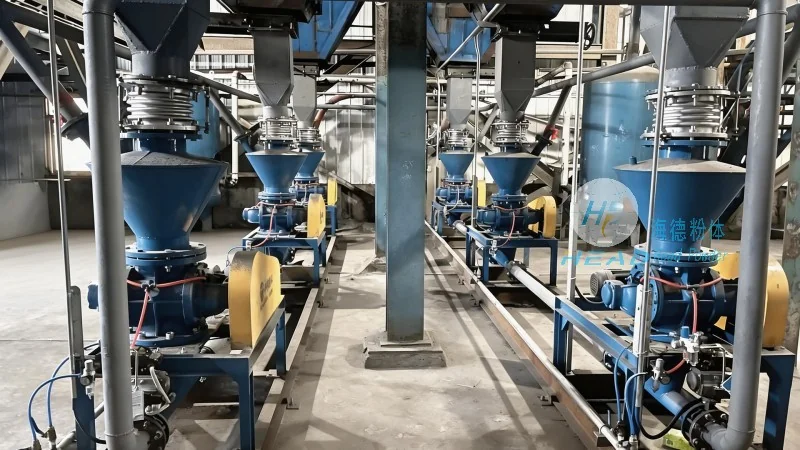
3. Improved Safety and Reduced Labor Costs: The automated nature of the system minimizes the need for manual handling of materials, reducing the risk of workplace injuries. Additionally, by automating the feeding process, businesses can reduce labor costs associated with manual labor, as fewer operators are required to manage the system.
4. Flexibility and Adaptability: Modern systems are designed to be flexible, allowing for easy adjustment of feeding rates and material types. This adaptability enables businesses to switch between different products or formulations without significant downtime or equipment changes.
Conclusion
HeadPowder's automatic quantitative ingredient feeding and material conveying systems represent a sophisticated solution for modern industrial material handling challenges. By combining precision engineering with advanced control technologies, these systems deliver reliable performance across diverse working environments. The company's commitment to quality and innovation ensures that its products meet the evolving needs of industries, providing a competitive edge in today's market. For businesses seeking to enhance their material processing capabilities, these systems offer a robust and efficient solution that aligns with the demands of high-quality production.




