Loess material handling systems are critical components in various industrial and construction applications, particularly where the transport of loose, cohesive earth materials is required. These systems are engineered to efficiently move loess, a type of soil characterized by its yellowish color and high silt content, from one location to another with precision and reliability. Understanding the underlying principles and the specific working scene characteristics of such equipment is essential for optimizing operational efficiency and ensuring safe, effective material transport.
Principles of Loess Material Handling Equipment
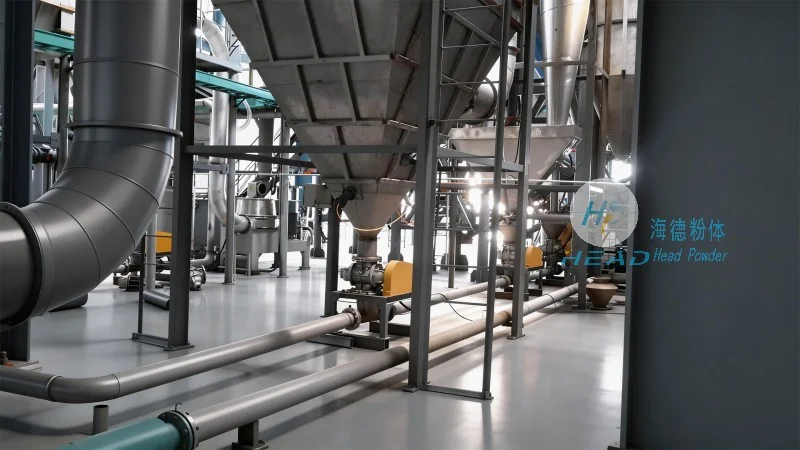
The core principles of loess material handling systems revolve around the mechanics of material transport, control, and management. These systems typically utilize a combination of mechanical components such as conveyors, feeders, and control mechanisms to achieve the desired material movement. The design of loess handling equipment must account for the unique properties of loess, including its tendency to stick to surfaces, its variable moisture content, and its potential to form clumps under certain conditions. To address these challenges, manufacturers employ advanced engineering solutions that ensure consistent flow and prevent material blockages or degradation during transport.
Key principles include the use of appropriate conveyor types, such as belt conveyors or screw conveyors, which are selected based on the specific characteristics of the loess being handled. For example, belt conveyors are often preferred for long-distance transport due to their ability to handle large volumes of material with minimal friction, while screw conveyors are suitable for vertical or inclined transport where space constraints are a factor. Additionally, the integration of feeding mechanisms, such as rotary feeders or vibratory feeders, ensures a steady and controlled input of loess into the system, preventing overloading or uneven distribution that could lead to operational inefficiencies.
Working Scene Characteristics of Loess Handling Systems
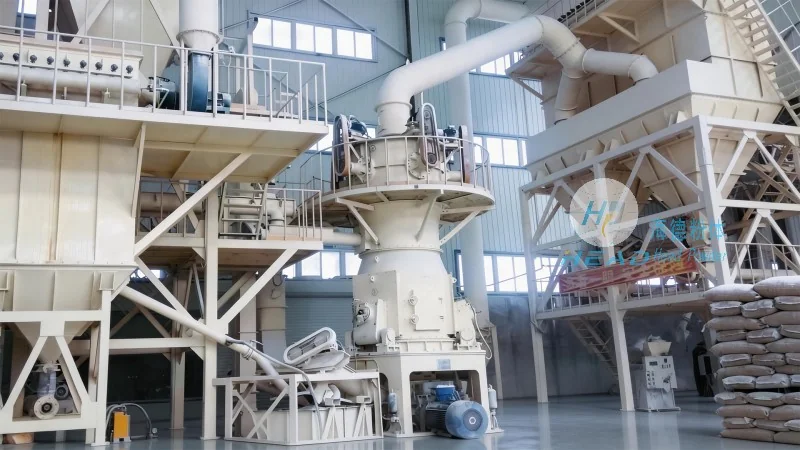
The working scene characteristics of loess material handling systems vary significantly depending on the application and the environment in which they are deployed. These systems are commonly found in construction sites, mining operations, and agricultural settings where loess is extracted or processed. The operational conditions in these environments often involve harsh weather, dust, and varying terrain, which necessitates robust and durable equipment design.
In construction projects, loess handling systems are used to transport earth materials for site preparation, foundation laying, and road construction. The working scene in this context typically involves large-scale material movement over extended distances, requiring high-capacity conveyors and efficient control systems to meet project timelines. The equipment must also be capable of handling different grades of loess, from fine silt to coarser soil particles, without compromising performance or causing equipment wear.
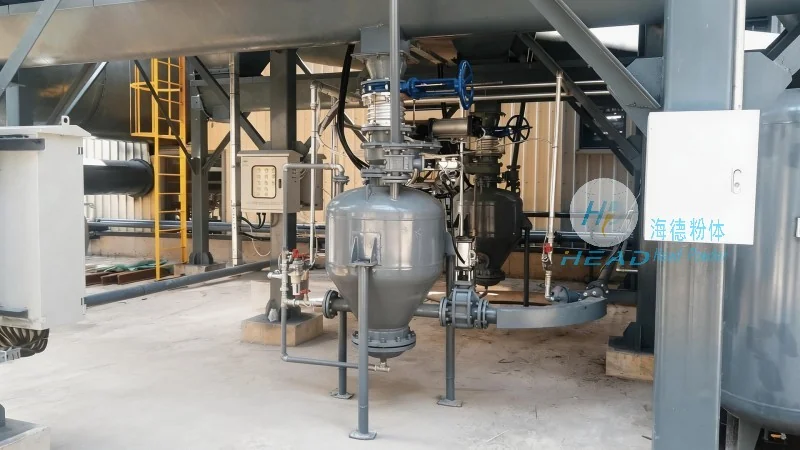
Mining operations, particularly in regions with significant loess deposits, utilize specialized loess handling systems for ore extraction and material sorting. The working scene here is characterized by high-volume material processing and the need for precise control over material flow to separate valuable minerals from the surrounding earth. The equipment must be designed to withstand heavy-duty use and abrasive conditions, with features such as reinforced components and wear-resistant coatings to extend service life.
Agricultural applications, such as loess-based soil management and fertilizer distribution, also present unique working scene characteristics. In these settings, the loess handling systems are often used for smaller-scale operations, requiring flexibility and adaptability to different field conditions. The equipment may need to operate in varying moisture levels and temperatures, necessitating designs that maintain consistent performance under diverse environmental factors.
Company Profile: Shandong HeadPowder Engineering Co., Ltd.
Shandong HeadPowder Engineering Co., Ltd., commonly known as HeadPowder, is a leading manufacturer of specialized material handling equipment tailored for loess and similar earth materials. With a strong presence in China, the company has established itself as a trusted provider of high-quality, reliable systems that meet the diverse needs of industrial and construction sectors.
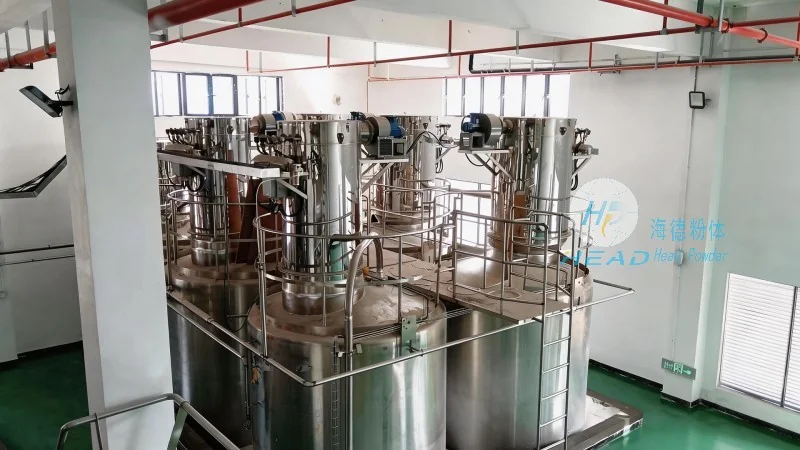
HeadPowder's commitment to innovation and customer satisfaction is reflected in its state-of-the-art manufacturing facilities and rigorous quality control processes. The company employs a team of experienced engineers and technicians who specialize in the design and development of loess handling systems, ensuring that each product is engineered to deliver optimal performance and durability. By leveraging advanced technology and industry expertise, HeadPowder has become a key player in the material handling equipment market, providing solutions that enhance operational efficiency and reduce downtime for its clients.
HeadPowder's headquarters is located in Shandong, China, where the company operates a comprehensive production and research facility. This location allows the company to stay close to its target markets and provide timely support and service to customers. The company's focus on local and international markets has enabled it to serve a wide range of clients, from small construction firms to large-scale mining operations, with customized solutions that address specific operational challenges.




