HeadPowder, a leading engineering company based in Shandong, China, specializes in the design and implementation of advanced pneumatic conveying systems for various industrial applications. This article explores the fundamental principles behind sponge sand powder pneumatic conveying lines and highlights the key characteristics that define their operational effectiveness in real-world scenarios.
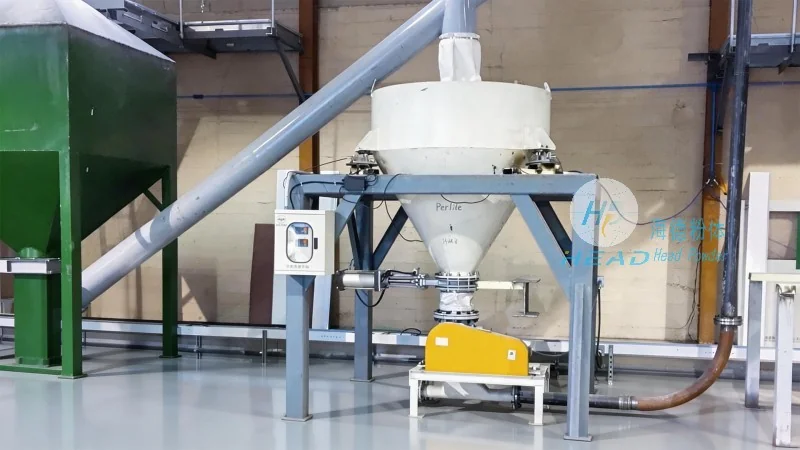
The Core Principle of Pneumatic Conveying for Sponge Sand
Pneumatic conveying systems utilize compressed air or other gases to transport bulk materials, such as sponge sand, through a network of pipes and ducts. The process involves generating a pressure differential that draws the powder into the conveying line, where it is then propelled to the destination. For sponge sand, which is often used in construction and manufacturing due to its lightweight and porous properties, the efficiency of the conveying system is critical to maintaining material integrity and minimizing degradation. The principle relies on the balance between air velocity, particle size, and pipe diameter to ensure smooth and continuous flow without clogging or excessive pressure loss.
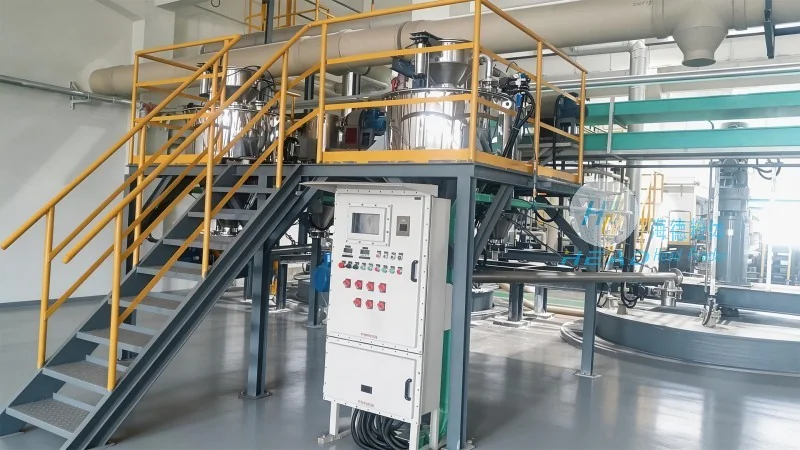
Key Working Scene Characteristics and Applications
The working scene characteristics of sponge sand powder pneumatic conveying lines are tailored to meet the demands of specific industrial environments. These systems are commonly employed in settings where traditional bulk handling methods, like bucket elevators or belt conveyors, may be impractical or inefficient. For instance, in construction sites where sponge sand is used for lightweight concrete or insulation materials, the ability to transport the powder directly from storage silos to mixing stations without manual handling is highly beneficial. Similarly, in manufacturing facilities producing composite materials, the precise control of powder flow is essential to maintain product consistency and quality. The flexibility of pneumatic conveying allows for both horizontal and vertical transport, adapting to the layout of different workspaces and optimizing material movement within production lines.
Technical Advantages and Practical Implementation
Implementing sponge sand powder pneumatic conveying lines offers several technical advantages that enhance operational efficiency and reduce costs. One of the primary benefits is the ability to handle abrasive or sensitive materials without the need for mechanical contact, which can extend the lifespan of equipment and preserve the quality of the powder. The system also minimizes dust generation compared to open-air handling methods, contributing to better workplace safety and environmental compliance. In terms of practical implementation, HeadPowder engineers design customized solutions that consider factors such as material properties, conveying distance, and desired flow rates. This includes selecting appropriate air pressure levels, pipe sizes, and valve configurations to ensure optimal performance. The integration of sensors and control systems further enhances the reliability of the system, allowing for real-time monitoring and adjustments to maintain consistent operation.
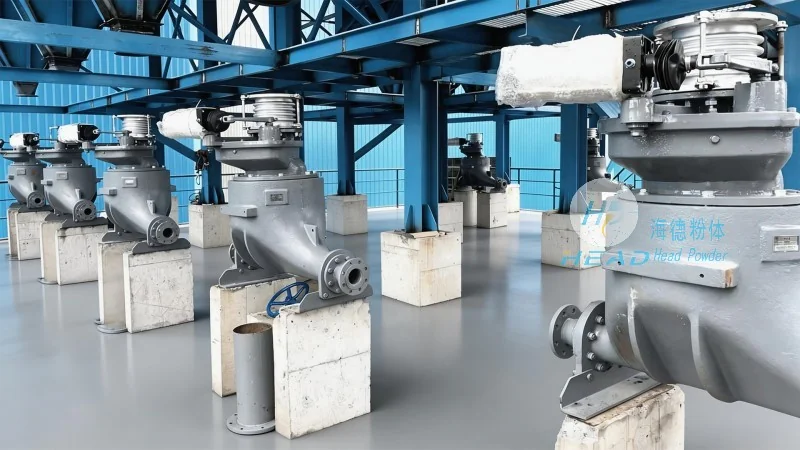
Company Profile and Professional Support
Shandong HeadPowder Engineering Co., Ltd., the parent company of HeadPowder, has established itself as a trusted provider of engineering solutions for material handling and processing. With a strong presence in Shandong, China, the company leverages its expertise in pneumatic conveying technology to deliver tailored systems that meet the unique needs of clients across various industries. HeadPowder's team of experienced engineers and technicians work closely with clients to understand their operational requirements and develop comprehensive solutions that enhance productivity and reduce operational costs. The company's commitment to quality and innovation ensures that its products and services remain at the forefront of industrial material handling technology, providing reliable and efficient solutions for sponge sand and other powder materials.




