Barite, a mineral widely used in various industrial applications, often requires efficient and reliable material handling solutions for its transportation. Pneumatic conveying systems have emerged as a preferred method for handling barite due to their ability to transport materials in a dust-free environment, enhancing operational safety and product quality. This article explores the fundamental principles of barite material pneumatic conveying systems and highlights the key characteristics of their working scenes, providing insights into the technology's practical applications.
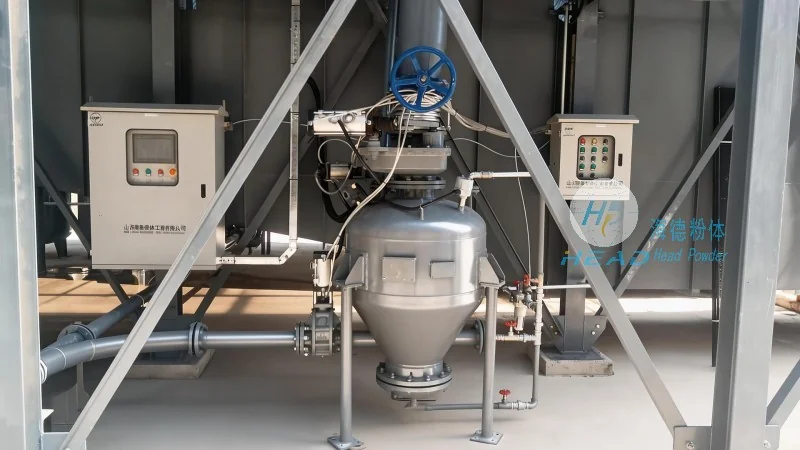
Principle of Barite Material Pneumatic Conveying Systems
The core principle of pneumatic conveying systems involves the use of compressed air or gas to transport solid materials through a pipeline. In the case of barite, which is typically a fine or granular material, the system operates by creating a flow of air that entrains the particles, moving them from the source to the destination. This process can be categorized into two main types: dilute-phase and dense-phase conveying, each with distinct operational characteristics and suitability for different barite handling scenarios.
Dilute-phase conveying systems utilize a higher air-to-material ratio, where the material is suspended in the air stream and transported at relatively high velocities. This method is effective for transporting barite over moderate distances and is commonly used in applications where the material is in a fine or powder form. The system operates by introducing the barite into the pipeline at a controlled rate, ensuring that the air flow maintains the material in suspension, preventing blockages and ensuring consistent flow.
Dense-phase conveying, on the other hand, employs a lower air-to-material ratio, resulting in a slower, more controlled flow where the material is conveyed in a more compact form. This approach is particularly advantageous for handling barite in bulk or larger particle sizes, as it reduces the risk of material degradation and equipment wear. The system typically uses a positive displacement pump or a pressure vessel to generate the necessary pressure, ensuring that the material moves steadily through the pipeline without excessive velocity.
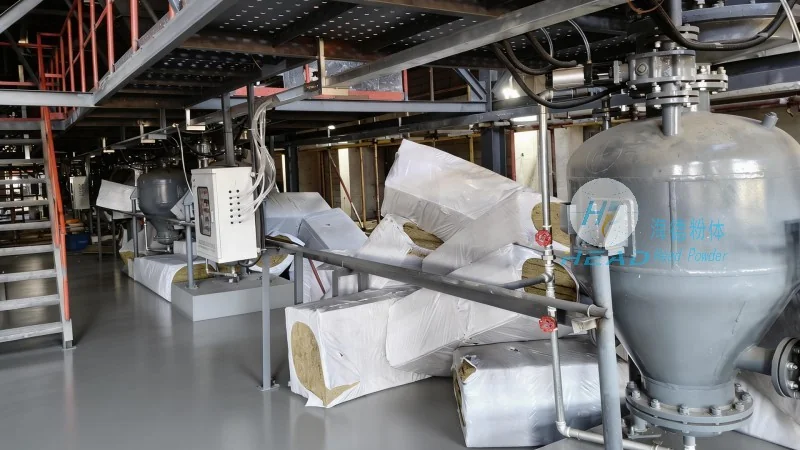
Working Scene Characteristics of Barite Pneumatic Conveying Systems
The working scene characteristics of barite pneumatic conveying systems are influenced by several factors, including the material's properties, the system's design, and the operational environment. These characteristics play a crucial role in determining the system's efficiency, reliability, and suitability for specific industrial applications.
Firstly, the particle size and density of barite significantly impact the system's performance. Fine barite particles, often used in drilling mud applications, require a dilute-phase system with higher air velocities to maintain suspension. In contrast, larger barite lumps or bulk material may necessitate a dense-phase system to prevent blockages and ensure smooth transport. The system's design must be tailored to accommodate these variations, ensuring optimal air-to-material ratios and flow rates.
Secondly, the distance and elevation changes between the source and destination affect the system's configuration. For short-distance conveying, a simple vertical or horizontal pipeline may suffice, while longer distances or significant elevation changes may require additional components such as cyclones, separators, or pressure boosters. These components help maintain the material's suspension and prevent system overload, ensuring consistent performance over extended periods.
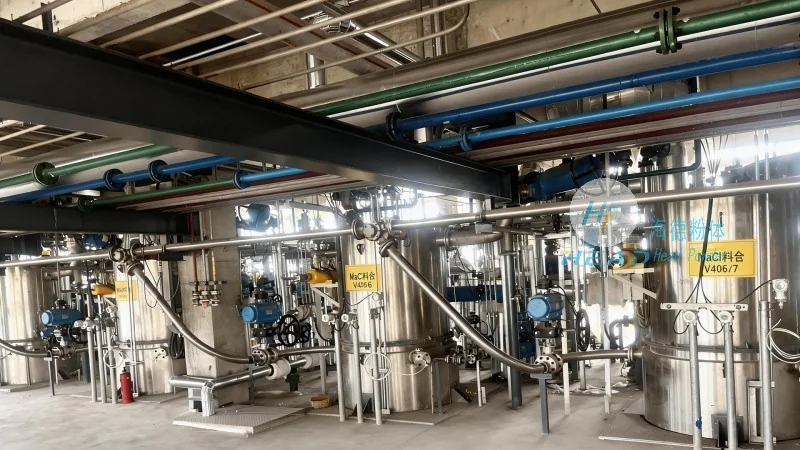
Thirdly, the operational environment, including ambient temperature and humidity, can influence the system's performance. Barite, being a stable mineral, is less susceptible to environmental factors compared to other materials, but the system's components, such as air compressors and pipelines, must be designed to withstand the operational conditions. Proper sealing and maintenance are essential to prevent air leaks and material contamination, which can affect the system's efficiency and product quality.
Applications and Benefits in Industrial Settings
Barite material pneumatic conveying systems find wide applications in various industries, including oil and gas, mining, and chemical processing. In the oil and gas sector, barite is commonly used as a weighting agent in drilling mud, and the pneumatic conveying system ensures its efficient transport from storage to the drilling site. This method reduces the risk of dust exposure and improves the safety of workers, as the material is handled in a closed system.
In the mining industry, barite is often extracted from ore and processed into a fine powder for use in various applications. The pneumatic conveying system facilitates the transport of this processed material to processing facilities or storage areas, minimizing the need for manual handling and reducing the risk of material loss or contamination. The system's ability to handle fine particles efficiently makes it ideal for this application.
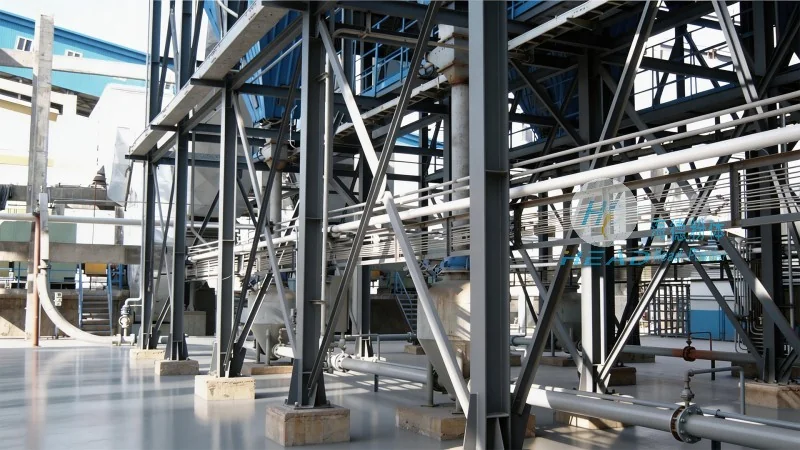
Additionally, the chemical processing industry utilizes barite in the production of pigments, coatings, and other products. The pneumatic conveying system ensures the consistent and reliable transport of barite from raw material storage to processing equipment, maintaining product quality and reducing downtime. The benefits of using pneumatic conveying systems in these applications include improved safety, reduced labor costs, and enhanced product purity.
Company Overview: Shandong HeadPowder Engineering Co., Ltd.
Shandong HeadPowder Engineering Co., Ltd., commonly known as HeadPowder, is a leading provider of pneumatic conveying solutions for various industrial materials, including barite. With a strong focus on innovation and customer satisfaction, HeadPowder specializes in designing and manufacturing customized pneumatic conveying systems tailored to the specific needs of its clients. The company's expertise lies in understanding the unique properties of different materials and developing efficient, reliable systems that meet the highest industry standards.
HeadPowder's team of engineers and technicians work closely with clients to assess their material handling requirements, providing comprehensive solutions that include system design, installation, and maintenance services. The company's commitment to quality and reliability has earned it a reputation as a trusted partner in the industry, with a wide range of successful projects in the oil and gas, mining, and chemical sectors. HeadPowder's facilities are located in Shandong, China, where the company leverages its local expertise and resources to deliver high-quality products and services to clients worldwide.




