HeadPowder, a leading provider in the field of material handling solutions, specializes in advanced pneumatic conveying systems designed for the efficient transport of foam particle materials. This article delves into the fundamental principles of foam particle pneumatic conveying systems and highlights the key application scenarios where these systems excel in industrial settings.
Understanding the Core Principles of Foam Particle Pneumatic Conveying
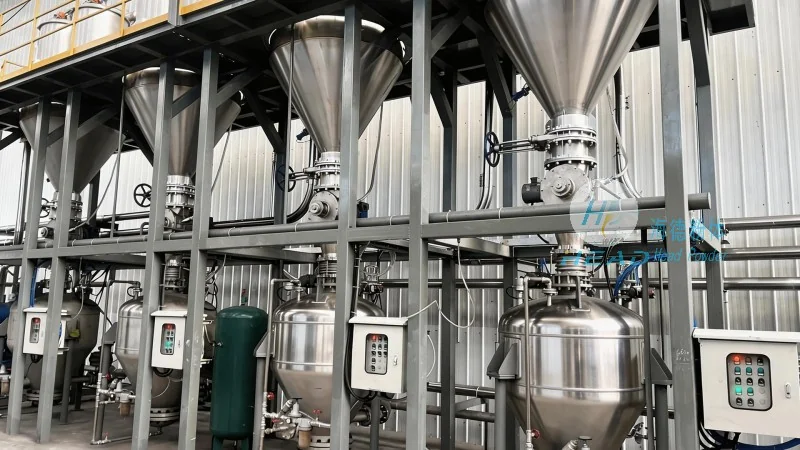
The foam particle pneumatic conveying system operates on the principle of using air or gas as the conveying medium to transport particulate materials through a pipeline. Unlike traditional bulk material handling methods, this system employs a unique foam generation mechanism to enhance the transport efficiency of lightweight and low-density foam particles. The process typically involves the introduction of a foam-forming agent into the conveying air stream, which creates a stable foam structure that effectively suspends the particles and facilitates smooth movement through the pipeline.
Key components of the system include a foam generator, a material feeder, a conveying pipeline, and a control system. The foam generator mixes air with a foam agent to produce a stable foam, which is then combined with the foam particles at the feeder. The mixture is then introduced into the pipeline, where the foam acts as a carrier, ensuring the particles are evenly distributed and transported without clogging or degradation. The control system monitors and adjusts the air pressure, foam concentration, and material flow rate to maintain optimal conveying performance.
Application Scenarios and Operational Advantages
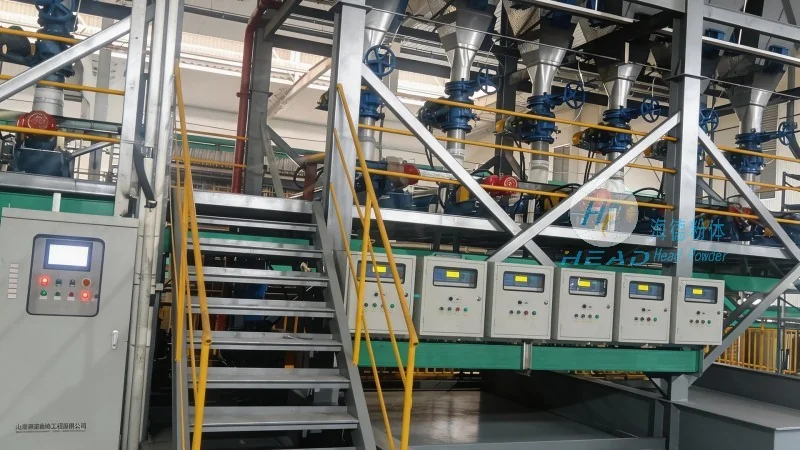
HeadPowder's foam particle pneumatic conveying systems are widely applied in various industrial sectors where the handling of lightweight, low-density foam materials is critical. These systems are particularly suitable for applications involving the transport of materials such as expanded polystyrene (EPS), polyethylene foam, and other similar lightweight particles. The primary advantages of using foam particle pneumatic conveying include improved material handling efficiency, reduced labor costs, and enhanced safety compared to traditional methods like manual handling or mechanical conveyors.
In manufacturing environments, these systems are commonly used in the production lines of foam products, where the material needs to be transported from processing units to packaging or storage areas. The ability to handle large volumes of foam particles with minimal energy consumption makes the system highly cost-effective for high-volume production operations. Additionally, the enclosed pipeline design minimizes dust emissions and environmental contamination, aligning with modern industrial safety and environmental standards.
Industrial Case Studies and Performance Metrics
Shandong HeadPowder Engineering Co., Ltd., headquartered in Shandong, China, has successfully implemented foam particle pneumatic conveying systems in numerous industrial projects. For instance, in a recent project for a foam insulation manufacturer, the system was installed to transport expanded polystyrene particles from the molding line to the packaging department. The implementation resulted in a 30% reduction in material handling time and a 25% decrease in energy consumption compared to conventional methods. The system's reliability and low maintenance requirements have also contributed to increased overall equipment effectiveness (OEE) in the plant.
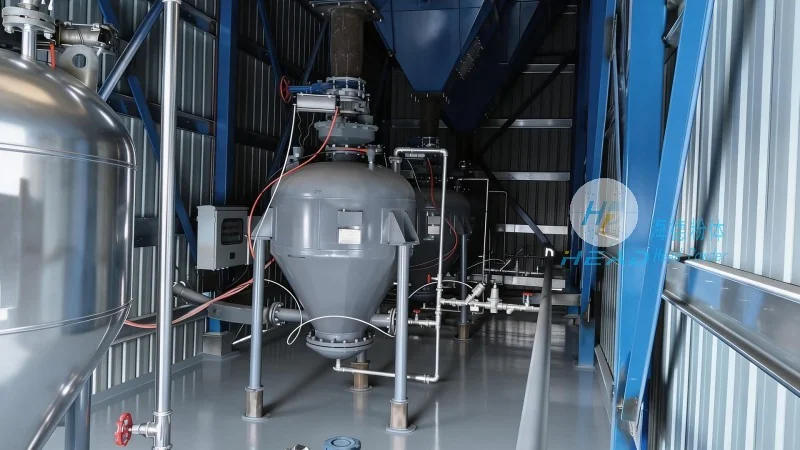
Performance metrics from these applications consistently show that foam particle pneumatic conveying systems achieve high conveying rates, typically ranging from 10 to 50 tons per hour, depending on the material characteristics and system configuration. The systems are designed to handle particle sizes ranging from fine powders to larger granules, with the foam structure adapting to different particle densities and shapes. This versatility makes the system suitable for a wide range of foam materials, including those with irregular shapes or high moisture content.
Conclusion and Future Developments
As industrial demands for efficient and sustainable material handling solutions continue to grow, foam particle pneumatic conveying systems represent a cutting-edge technology that addresses the unique challenges of handling lightweight and low-density materials. HeadPowder's expertise in designing and manufacturing these systems ensures that clients receive tailored solutions that meet their specific operational requirements. With ongoing advancements in foam generation technology and system automation, the future of foam particle pneumatic conveying is poised to deliver even higher efficiency and reliability in industrial material transport applications.




