Chloroprene rubber, also known as neoprene, is a synthetic polymer widely utilized across various industrial sectors due to its exceptional resistance to oil, ozone, and environmental degradation. The efficient handling and transportation of chloroprene rubber materials are pivotal for sustaining production efficiency and preserving product quality. Pneumatic conveying systems have emerged as a preferred solution for this purpose, offering benefits such as low maintenance requirements, operational flexibility, and the capability to handle diverse material types.
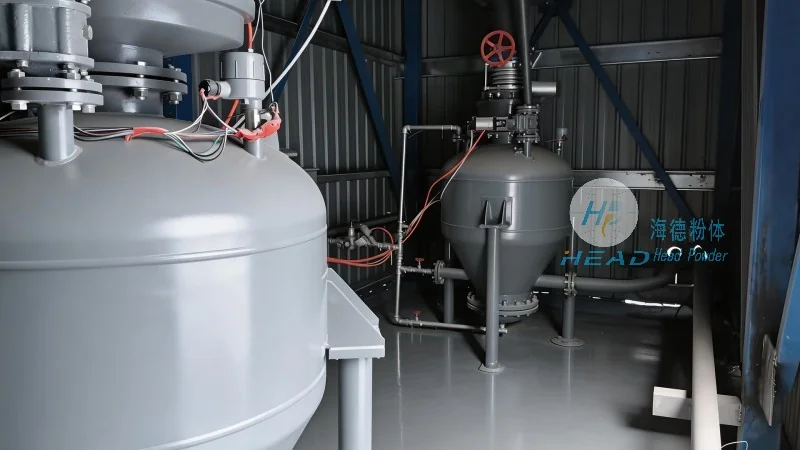
Principle of Pneumatic Conveying Systems
The fundamental principle of a pneumatic conveying system involves utilizing air or other gases to transport bulk materials through a pipeline network. In the context of chloroprene rubber, which is typically available as granules or powders, the system operates by establishing a pressure differential between the material source and the destination. Air is introduced into the system, often via a blower or compressor, to generate the necessary airflow that propels the rubber particles through the pipeline. The system can be classified into two primary types: pressure and vacuum. Pressure systems employ positive pressure to push materials forward, while vacuum systems utilize negative pressure to pull materials from the source to the destination.
For chloroprene rubber, the design of the conveying system must account for the material's density, flowability, and potential for dust generation. The system typically comprises components including a hopper for material storage, a feeder to regulate the flow rate, a pipeline network, and a receiver at the destination. The air velocity within the pipeline is a critical parameter, as it must be sufficient to prevent material settling but not excessively high to cause undue wear on system components or generate excessive dust.
Working Scene Characteristics of Chloroprene Rubber Pneumatic Conveying
The application of pneumatic conveying systems for chloroprene rubber varies across different industrial settings. In manufacturing plants, these systems are commonly employed to transport raw chloroprene rubber from storage silos to processing equipment, such as mixers or extruders. The ability to handle the material in a closed system minimizes exposure to environmental factors and reduces the risk of contamination, which is crucial for maintaining the material's quality for subsequent processing steps.
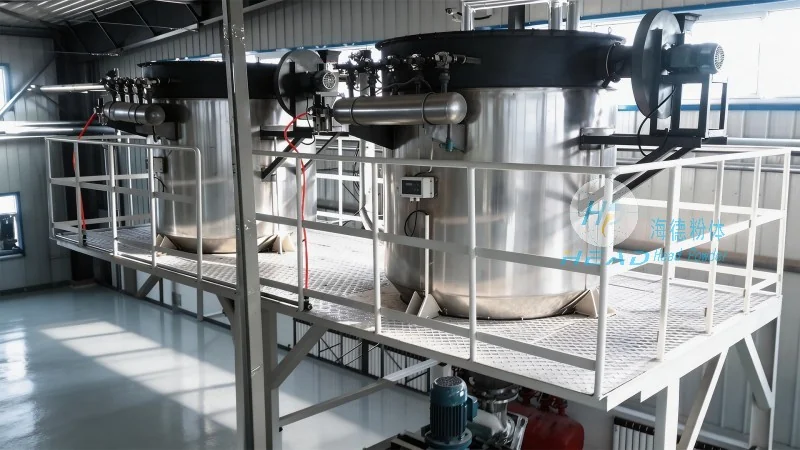
In processing facilities, the system may also be used to transfer finished chloroprene rubber products, such as sheets or molded components, from production lines to storage areas or packaging stations. The flexibility of pneumatic conveying allows for seamless integration of multiple processing stages without the need for complex mechanical handling equipment, thereby streamlining the overall production workflow.
Another important working scene is in equipment maintenance and repair. Pneumatic conveying systems can be utilized to transport replacement parts or consumables to maintenance personnel in different areas of the facility. This reduces the time and effort required for equipment upkeep, contributing to improved operational efficiency.
Advantages and Considerations in Chloroprene Rubber Pneumatic Conveying
One of the primary advantages of using pneumatic conveying for chloroprene rubber is the ability to handle the material in a dust-free environment. This is particularly important for chloroprene rubber, which can generate fine particles that are hazardous to human health and can affect the performance of downstream equipment. The closed system design also helps to preserve the material's properties, such as its resistance to degradation, by protecting it from moisture and other contaminants.
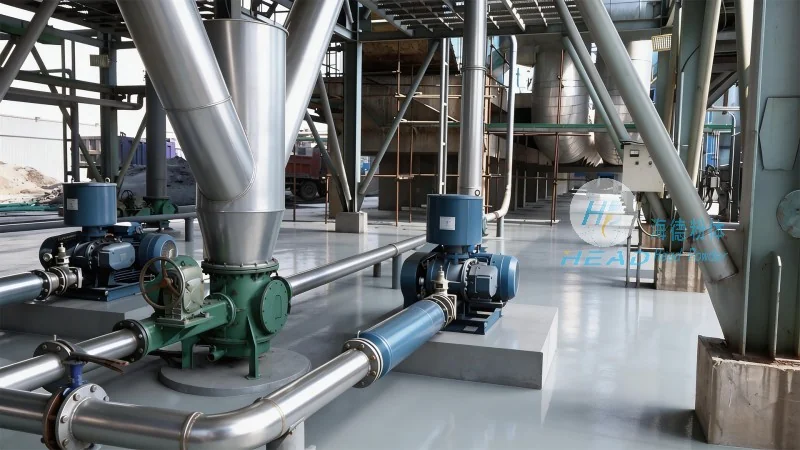
Another advantage is the system's flexibility in terms of layout and integration. Pneumatic conveying systems can be easily adapted to existing plant layouts, allowing for the addition of new processing lines or the reconfiguration of existing ones without major structural changes. This adaptability is especially valuable in industries where production requirements are subject to frequent changes.
However, there are also considerations that must be addressed when implementing a pneumatic conveying system for chloroprene rubber. The material's high density and potential for abrasiveness can lead to increased wear on pipeline components, such as elbows and valves. Therefore, the selection of appropriate materials for these components is essential to ensure the long-term reliability of the system. Additionally, the system's energy consumption must be managed effectively, as high air pressure can result in higher operational costs.
Conclusion
Pneumatic conveying systems offer a highly effective solution for the transportation of chloroprene rubber materials in various industrial applications. By understanding the principle of operation and the specific characteristics of the material, manufacturers can design and implement systems that optimize efficiency, maintain product quality, and enhance overall operational performance. As a leading provider in this field, Shandong HeadPowder Engineering Co., Ltd. specializes in the design, manufacturing, and installation of such systems, ensuring that clients receive tailored solutions that meet their specific needs.




