HeadPowder, a leading engineering firm based in Shandong, China, specializes in the design and implementation of advanced pneumatic conveying systems for various industrial applications. This article delves into the fundamental principles behind ABS granule material pneumatic conveying systems and explores the specific operational scenarios where these systems excel.
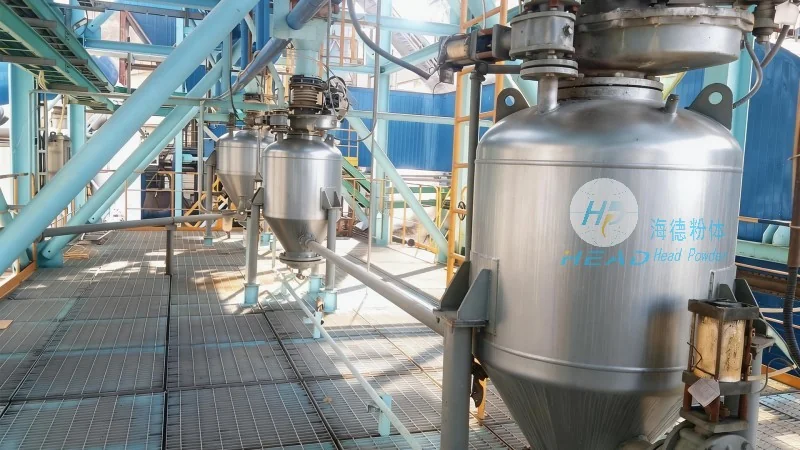
Understanding Pneumatic Conveying Systems
Pneumatic conveying systems utilize compressed air or other gases to transport bulk materials like granules, powders, and particulates through a pipeline network. The core principle involves creating a pressure differential that propels the material from the source to the destination. For ABS granules, which are commonly used in manufacturing and processing industries, such systems offer a reliable and efficient method of material handling.
Key Components and Operational Mechanism
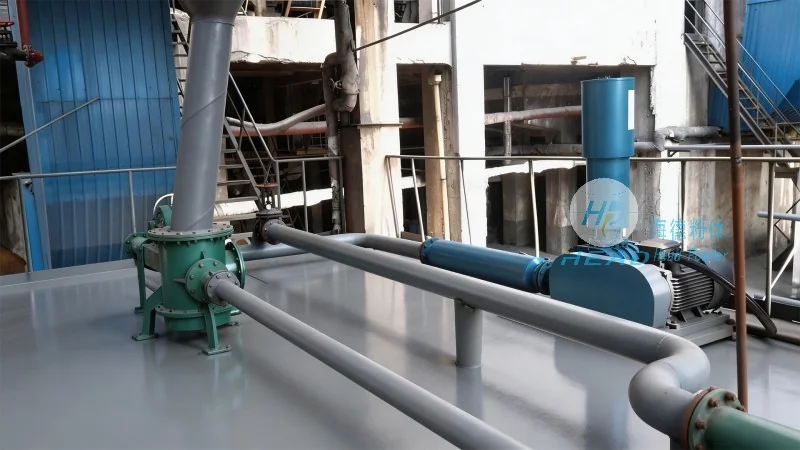
The ABS granule pneumatic conveying system typically consists of several critical components, including a material feed hopper, a rotary airlock valve, a conveying line, and a receiver or discharge unit. The process begins when ABS granules are fed into the hopper. A rotary airlock valve then controls the flow of material into the conveying line, preventing backflow and ensuring a steady supply. Compressed air is introduced at the inlet of the conveying line, creating a high-velocity airflow that entrains the granules and transports them to the receiver. The receiver collects the material and may include a discharge mechanism for further processing.
Advantages of ABS Granule Pneumatic Conveying
Implementing a pneumatic conveying system for ABS granules offers numerous advantages over traditional mechanical conveying methods. These include reduced material degradation due to minimal contact with equipment, improved safety by eliminating manual handling of bulk materials, and enhanced flexibility in system layout and integration with existing production lines. The system also minimizes product contamination, which is crucial for ABS granules used in high-purity applications such as automotive parts, electronics, and consumer goods manufacturing.
Common Application Scenarios
ABS granule pneumatic conveying systems are widely employed in diverse industrial settings. One primary application is in the plastics manufacturing sector, where these systems efficiently transport ABS granules from storage silos to extrusion or molding machines. This ensures a continuous and controlled supply of raw material, optimizing production throughput. Another common scenario involves material transfer between different processing stages, such as moving granules from a drying unit to a mixing or compounding system. The system's ability to handle long-distance and multi-point delivery makes it ideal for large-scale production facilities.
Operational Considerations and System Design
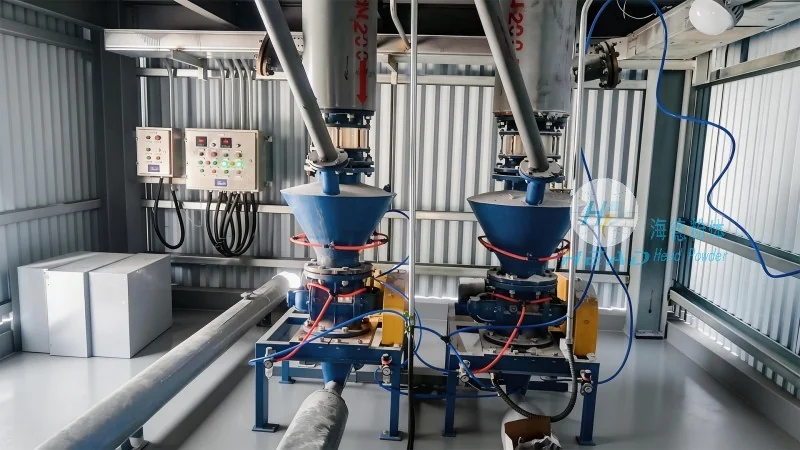
When designing an ABS granule pneumatic conveying system, several factors must be considered to ensure optimal performance. These include the material's bulk density, flowability, and moisture content, as well as the required conveying distance and throughput. The system's design must also account for the potential for material segregation or agglomeration, which can impact conveying efficiency. Proper selection of air pressure, flow rate, and pipeline diameter is critical to prevent blockages and maintain consistent material transport. Additionally, the system should incorporate features like pressure relief valves and filtration to maintain air quality and protect equipment from damage.
Conclusion
HeadPowder's expertise in pneumatic conveying systems for ABS granules highlights the importance of tailored engineering solutions for industrial material handling. By understanding the principles and application scenarios of these systems, manufacturers can enhance operational efficiency, improve product quality, and reduce overall handling costs. As a company based in Shandong, China, HeadPowder continues to provide innovative solutions that meet the evolving needs of the global manufacturing industry.




