HeadPowder, a leading manufacturer based in Shandong, China, specializes in high-pressure dense-phase material pneumatic conveying equipment. This article explores the fundamental principles behind this technology and highlights the key working scenario characteristics that define its application.
Company Overview and Expertise
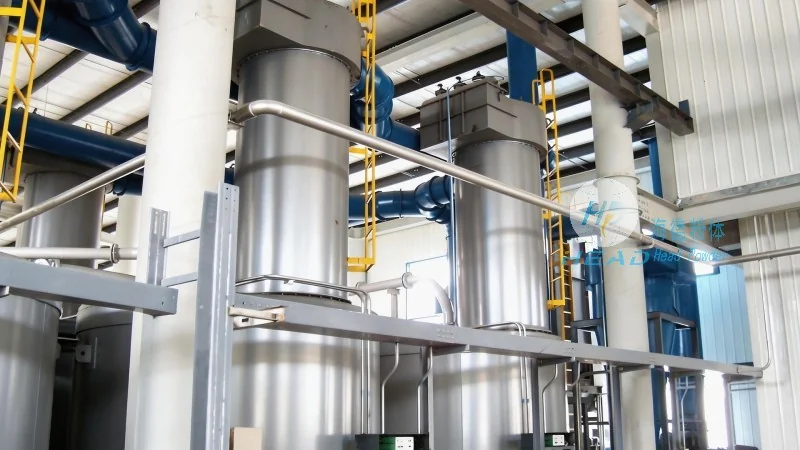
Shandong HeadPowder Engineering Co., Ltd., operating under the brand name HeadPowder, is a professional enterprise dedicated to the research, development, and production of pneumatic conveying systems. With a strong presence in the industrial sector, the company leverages decades of experience to deliver reliable and efficient solutions for material handling challenges. HeadPowder's commitment to innovation and quality ensures that their equipment meets the stringent demands of modern industrial operations.
Principle of High-Pressure Dense-Phase Pneumatic Conveying
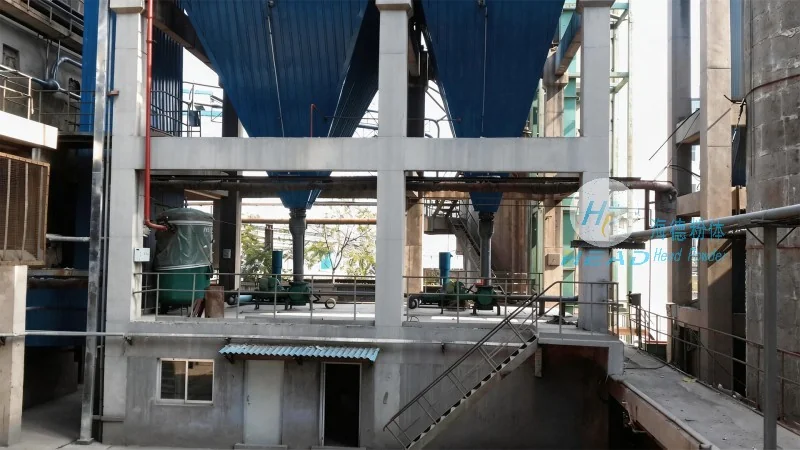
The core principle of high-pressure dense-phase material pneumatic conveying involves transporting bulk materials in a dense, plug-like flow within a pipeline. Unlike traditional dilute-phase systems that rely on low pressure and high velocity, dense-phase conveying operates at higher pressures, typically ranging from 0.5 to 2.0 MPa, which allows for a higher material concentration in the conveying stream. This method ensures minimal material degradation, reduced air consumption, and enhanced system efficiency. The process begins with the material being fed into a hopper, where it is then pneumatically conveyed through a pipeline using compressed air. The high pressure maintains the material in a solid plug, preventing segregation and ensuring consistent flow rates. Key components include the air compressor, material feeder, conveying line, and receiver, all working in tandem to achieve effective material transport.
Working Scenario Characteristics
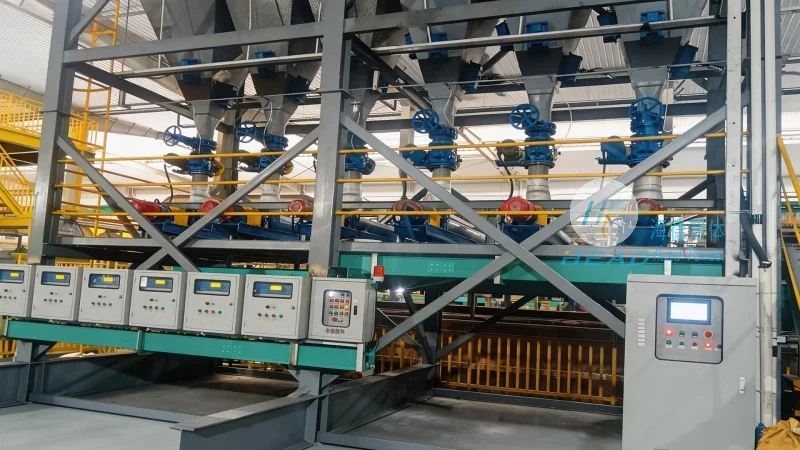
The working scenario characteristics of high-pressure dense-phase pneumatic conveying equipment are tailored to specific industrial needs, offering versatility across various applications. One of the primary advantages is its ability to handle a wide range of materials, including powders, granules, and bulk solids, with minimal maintenance requirements. The dense-phase flow minimizes the risk of material degradation, making it suitable for sensitive products such as pharmaceuticals, food ingredients, and chemicals. Additionally, the system's compact design and low space requirements make it ideal for installations in confined areas, such as manufacturing plants or processing facilities. The high pressure and controlled flow also contribute to reduced air leakage and energy consumption, leading to cost-effective operation over time. In industrial settings, this technology is commonly used in sectors like pharmaceuticals, food processing, chemical manufacturing, and mining, where reliable and efficient material transport is critical for production continuity. The adaptability of the system allows for customization based on material properties, conveying distance, and throughput requirements, ensuring optimal performance in diverse working environments.
Key Advantages and Application Benefits
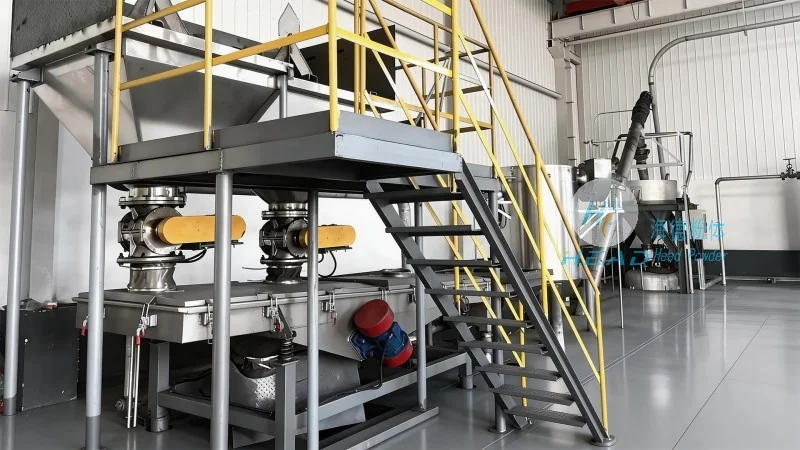
High-pressure dense-phase material pneumatic conveying equipment offers several advantages that make it a preferred choice for industrial material handling. The dense-phase flow ensures a higher material concentration, which reduces the overall air volume needed for transport, thereby lowering energy costs. This method also minimizes material degradation and segregation, preserving product quality and integrity. The compact design and modular construction allow for easy installation and integration into existing production lines, reducing downtime during setup. Furthermore, the system's ability to handle abrasive and corrosive materials makes it suitable for harsh industrial environments. In terms of operational efficiency, the high-pressure operation provides consistent flow rates, enhancing production throughput and reducing bottlenecks. The reduced maintenance requirements and long service life of the equipment contribute to lower total cost of ownership, making it a cost-effective solution for long-term material transport needs. Overall, the working scenario characteristics and technical advantages of this equipment position it as a reliable and efficient solution for modern industrial applications.




