For industrial applications involving fish meal processing, efficient material handling is crucial. Pneumatic conveying systems offer a reliable solution for transporting fish meal, a fine powder with specific handling requirements. This article explores the fundamental principles of fish meal material pneumatic conveying equipment and highlights the key characteristics of its working environments.
Introduction to Fish Meal Material Pneumatic Conveying
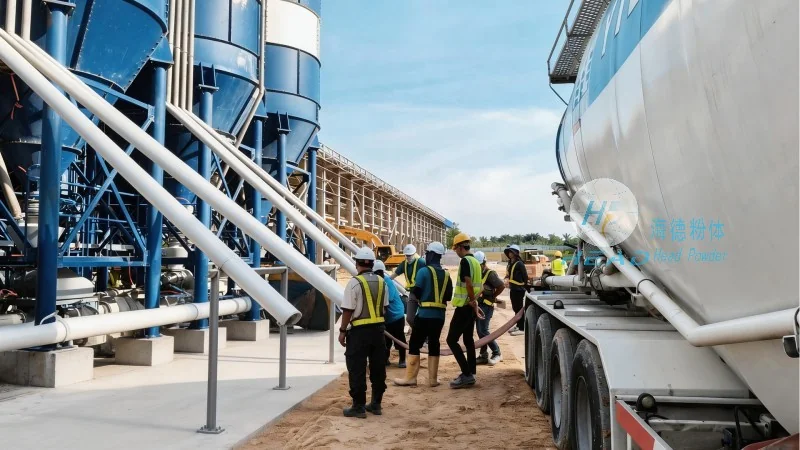
Fish meal, a nutrient-rich byproduct of fish processing, is often used as animal feed. Its fine particle size and hygroscopic nature make traditional bulk handling methods, such as belt conveyors or screw conveyors, less effective and potentially problematic. Pneumatic conveying addresses these challenges by using air to transport the material through a pipeline system. This method ensures minimal product degradation, reduces contamination risks, and enhances operational efficiency in fish meal processing facilities.
Core Principles of Pneumatic Conveying Systems
The operation of fish meal pneumatic conveying equipment is based on the fundamental principle of creating a pressure differential to move material through a pipeline. There are two primary types of pneumatic conveying systems: pressure and vacuum. Pressure systems use a positive pressure to push material from a source to a destination, while vacuum systems use negative pressure to pull material from a source. For fish meal, which is typically light and fine, pressure systems are commonly preferred due to their ability to handle high volumes and maintain consistent flow rates.
Key components of a pneumatic conveying system for fish meal include a feed hopper, a conveyor line (often equipped with cyclones or filters to separate air from material), a receiver or discharge point, and a blower or compressor to generate the necessary air pressure. The feed hopper ensures a consistent supply of fish meal, preventing blockages and maintaining smooth operation. The conveyor line, usually made of stainless steel to resist corrosion from fish meal residues, transports the material while the cyclone or filter separates the air, allowing for recycling or disposal. The receiver collects the fish meal, ready for further processing or packaging.
Working Scene Characteristics of Fish Meal Pneumatic Conveying
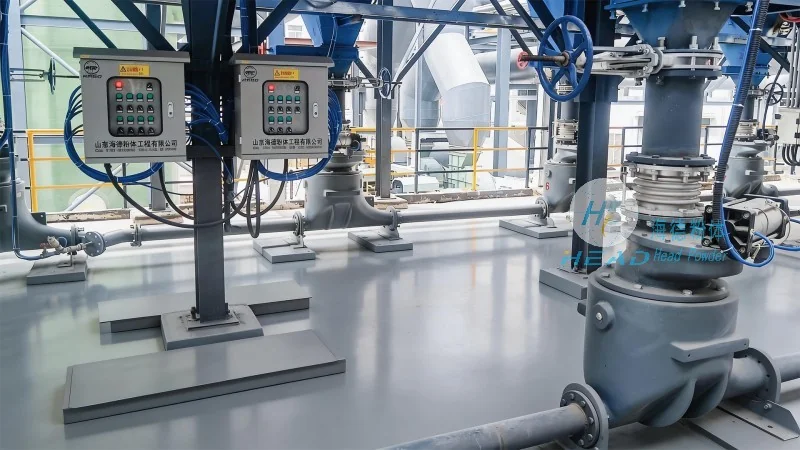
The working environment for fish meal pneumatic conveying equipment in industrial settings is characterized by several key factors that influence system design and performance. First, the material's hygroscopic nature means that moisture absorption can affect the conveying efficiency and product quality. Therefore, systems are often equipped with drying or moisture control mechanisms to maintain optimal material properties. Second, the fine particle size of fish meal requires careful consideration of pipeline diameter and air velocity to prevent clogging and ensure consistent flow. Larger pipelines with lower air velocities are typically used to minimize particle abrasion and maintain system longevity.
Another critical characteristic is the need for dust control and air filtration. Fish meal is a fine powder that can generate significant dust during handling, posing health and safety risks. Pneumatic conveying systems incorporate dust collection and filtration systems to capture airborne particles, ensuring compliance with environmental regulations and maintaining a safe working environment. Additionally, the system's layout and integration with other processing equipment, such as mixers or extruders, are designed to streamline production workflows and minimize material handling time.
Application Scenarios and Operational Benefits
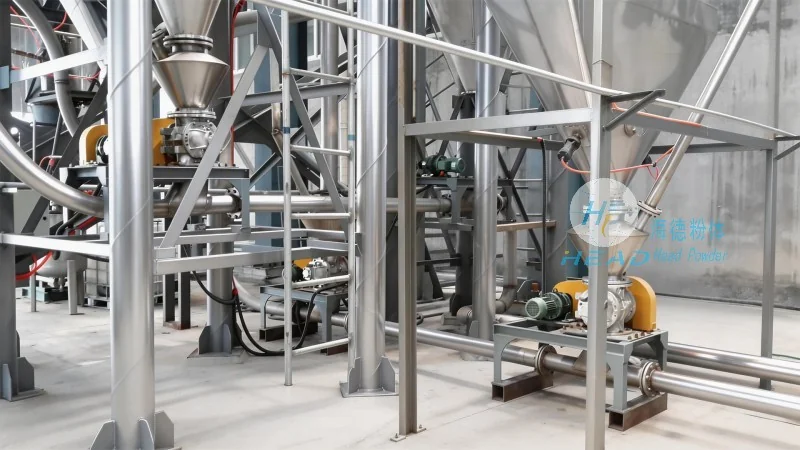
Fish meal pneumatic conveying equipment is widely used in various industrial settings, including fish meal processing plants, animal feed manufacturing facilities, and food processing operations. In fish meal processing plants, the system efficiently transports raw fish meal from storage silos to processing lines, ensuring a continuous supply for grinding, drying, and packaging. In animal feed manufacturing, the equipment handles fish meal as a key ingredient, integrating seamlessly with other feed components like grains and additives. The operational benefits of using pneumatic conveying for fish meal include reduced labor costs, minimized product loss, and improved safety due to enclosed handling systems.
Furthermore, the flexibility of pneumatic conveying systems allows for easy integration with existing production lines, adapting to changes in production volume or product specifications. The ability to transport fish meal over long distances without the need for multiple transfer points enhances operational efficiency and reduces downtime. This adaptability makes pneumatic conveying a preferred choice for modern fish meal processing facilities seeking to optimize their material handling processes.
Conclusion
In conclusion, fish meal material pneumatic conveying equipment operates on the principle of air-driven transport, offering a reliable and efficient solution for handling fine, hygroscopic materials like fish meal. The working scene characteristics, including moisture control, dust management, and system integration, are critical to ensuring optimal performance and product quality. As a key component of fish meal processing and animal feed manufacturing, this equipment enhances operational efficiency, reduces costs, and maintains safety standards in industrial applications. The expertise of companies like Shandong HeadPowder Engineering Co., Ltd., with their focus on tailored pneumatic conveying solutions, underscores the importance of specialized equipment in meeting the unique challenges of fish meal handling.




