Bin pump pneumatic conveying systems represent a sophisticated method for material handling, widely utilized in various industrial sectors for efficient bulk material transport. This technology, developed and manufactured by Shandong HeadPowder Engineering Co., Ltd., a leading company based in Shandong, China, offers reliable and flexible solutions for transporting powders and granules over long distances. Understanding the operation process and working principle of such systems is crucial for optimizing performance and ensuring safe, efficient material handling operations.
Company Background and Expertise
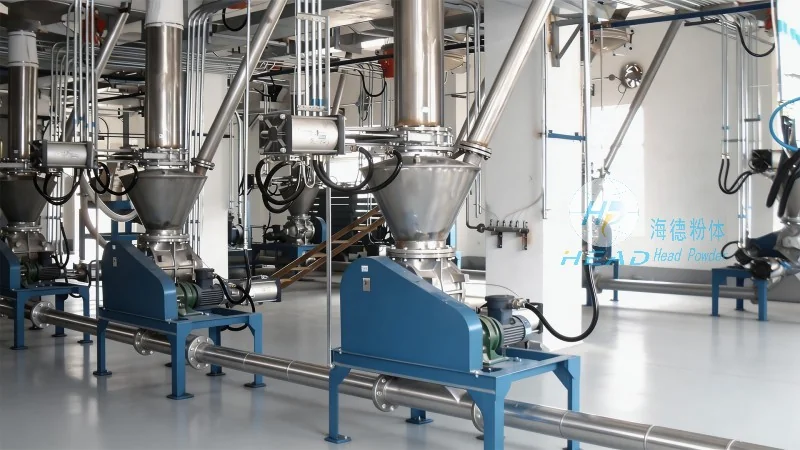
HeadPowder, as the manufacturer, brings extensive experience in engineering and manufacturing pneumatic conveying equipment. With a focus on innovation and quality, the company has established itself as a trusted provider of bin pump systems tailored to diverse industrial needs. The company’s headquarters and operational base are located in Shandong, China, where state-of-the-art facilities and skilled professionals ensure the production of high-performance conveying solutions.
System Overview and Key Components
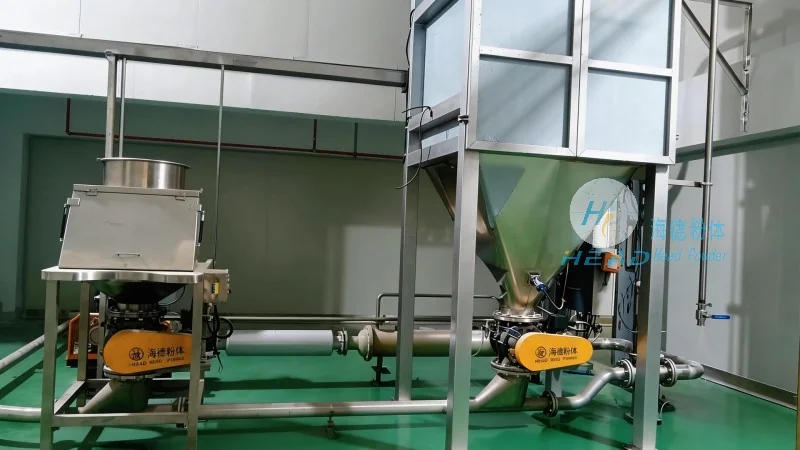
A bin pump pneumatic conveying system typically consists of several core components that work in tandem to achieve material transport. The primary elements include a storage bin or hopper, a bin pump (also known as a pressure vessel), a conveying line (often equipped with bends and straight sections), a control system, and a discharge unit. The storage bin serves as the material source, holding the bulk material that needs to be transported. The bin pump acts as the heart of the system, generating the necessary pressure to move the material through the conveying line. The control system manages the operation, ensuring precise control over the conveying process. The discharge unit facilitates the delivery of material to the final destination, such as a silo, storage tank, or processing equipment.
Operation Process: Step-by-Step Explanation
The operation of a bin pump pneumatic conveying system involves a series of well-defined steps that ensure efficient material transport. The process begins with the loading of the storage bin with the bulk material. Once the bin is filled, the control system initiates the operation. The bin pump is then activated, creating a pressure differential that draws the material from the bin into the pump chamber. The pump then compresses the material, forcing it through the conveying line under pressure. The material travels through the line, overcoming any obstacles or changes in elevation, and is discharged at the receiving end. The system may include a venting or cleaning cycle to maintain optimal performance and prevent material buildup. This step-by-step operation ensures consistent and reliable material transport, minimizing downtime and maximizing productivity.
Working Principle: How It Works
The working principle of a bin pump pneumatic conveying system is based on the principles of fluid dynamics and pressure differentials. The system operates by creating a pressure difference between the storage bin and the discharge point. The bin pump, when activated, generates a high-pressure environment within the pump chamber. This pressure forces the material to move from the bin into the pump and then through the conveying line. The material is carried by a stream of air or gas, which acts as the conveying medium. The air or gas is introduced into the system at the discharge end and flows backward through the line, creating a suction effect that pulls the material forward. This combination of pressure and suction ensures that the material is transported efficiently and with minimal degradation. The system is designed to handle a wide range of materials, from fine powders to coarse granules, with varying flow characteristics and moisture content.
Technical Advantages and Applications
Bin pump pneumatic conveying systems offer several technical advantages that make them ideal for various industrial applications. One of the key advantages is the ability to transport materials over long distances without the need for intermediate transfer points, which reduces material handling costs and improves process efficiency. The system is also capable of handling materials with high moisture content or abrasive properties, as the enclosed conveying line protects the material from external factors. Additionally, the system can be easily integrated with other processing equipment, such as mixers, classifiers, or reactors, to form a complete material handling system. The flexibility of the system allows for adjustments in conveying speed and volume, making it suitable for both continuous and batch operations. Industries that benefit from this technology include food processing, pharmaceuticals, chemicals, and mining, where the transport of bulk materials is critical to production processes.
Maintenance and Safety Considerations
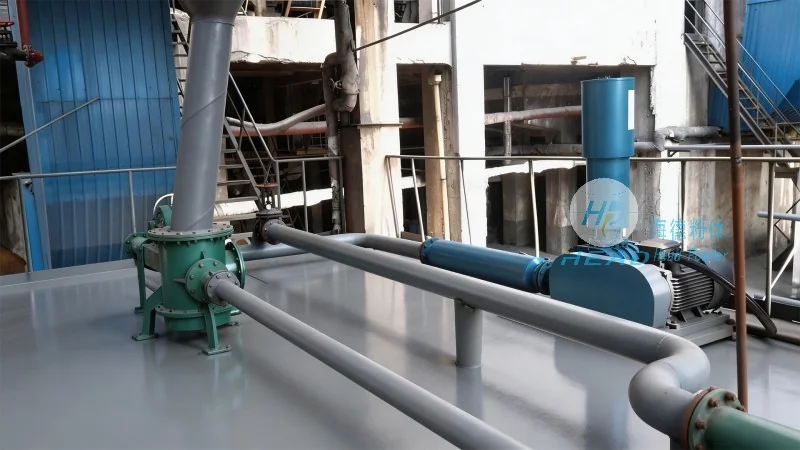
To ensure the long-term performance and safety of a bin pump pneumatic conveying system, regular maintenance and adherence to safety protocols are essential. The system components, such as the bin pump, conveying line, and control system, require periodic inspection and maintenance to prevent wear and tear. This includes checking for leaks, ensuring proper lubrication of moving parts, and cleaning the system to remove any material buildup. Safety considerations are also paramount, as the system operates under pressure and involves the handling of potentially hazardous materials. Proper training for operators, regular safety checks, and the use of appropriate personal protective equipment (PPE) are crucial to prevent accidents and ensure the safety of personnel. By following these maintenance and safety guidelines, users can maximize the lifespan of the system and maintain optimal performance.
Conclusion
In conclusion, bin pump pneumatic conveying systems are a highly effective and reliable method for bulk material transport. The operation process and working principle of such systems, as explained above, highlight the sophisticated engineering and design that go into these solutions. Manufactured by Shandong HeadPowder Engineering Co., Ltd., these systems offer numerous technical advantages and are suitable for a wide range of industrial applications. By understanding and properly maintaining these systems, industries can enhance their material handling capabilities, reduce costs, and improve overall operational efficiency. The continued development and innovation in this field ensure that bin pump systems will remain a vital component of modern industrial operations.




