HeadPowder Engineering, a leading provider in the field of pneumatic conveying systems, specializes in the design, manufacturing, and installation of advanced PUR (Polyurethane) pneumatic conveying lines. These systems are engineered to efficiently transport bulk materials over long distances with minimal maintenance and high reliability. This article delves into the operation process and working principles of such systems, highlighting their key components and operational mechanisms.
About HeadPowder Engineering
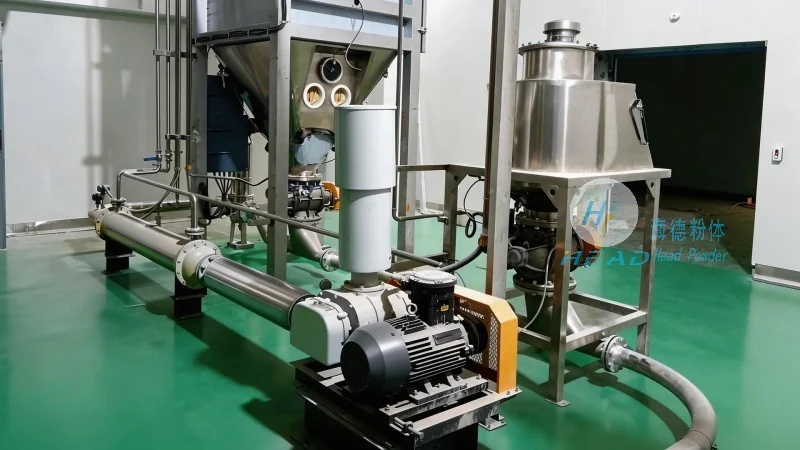
HeadPowder, the abbreviation for Shandong HeadPowder Engineering Co., Ltd., is a reputable enterprise based in Shandong, China. The company has established itself as a trusted manufacturer and supplier of industrial pneumatic conveying solutions, catering to diverse industries including food, pharmaceuticals, chemicals, and more. With a strong commitment to quality and innovation, HeadPowder offers customized solutions tailored to meet the specific requirements of each client.
Overview of PUR Pneumatic Conveying Lines
PUR pneumatic conveying lines utilize compressed air or gas to transport bulk materials from a source to a destination. These systems are particularly suitable for handling materials that are abrasive, dusty, or require a high degree of cleanliness, such as powders, granules, and fine particles. The use of polyurethane (PUR) components in the design ensures durability and resistance to wear and corrosion, making the system long-lasting and efficient.
The Operation Process of PUR Pneumatic Conveying Lines
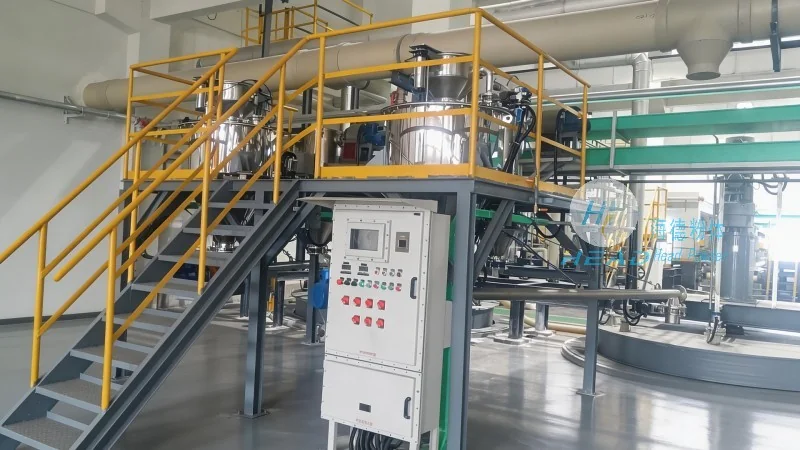
The operation of a PUR pneumatic conveying line involves several key steps, each contributing to the smooth and efficient transport of materials. The process typically begins with the material being fed into the system from a hopper or storage silo. The material then enters the conveying line, where it is mixed with the compressed air or gas. The air flow creates a negative pressure or positive pressure environment, depending on the system design, to move the material through the pipeline.
As the material travels through the conveying line, it passes through various components such as elbows, bends, and filters. These components are designed to minimize pressure loss and ensure the material is transported without blockages or degradation. The system may also include a separator or cyclone to separate the material from the air at the destination point, allowing the material to be discharged into a collection bin or storage tank.
During operation, the system maintains a consistent air flow rate and pressure to ensure optimal material transport. The control system monitors parameters such as pressure, flow rate, and material level, adjusting the air supply as needed to maintain efficient operation. This automated control ensures that the system operates reliably and efficiently, minimizing downtime and maximizing productivity.
Working Principle of PUR Pneumatic Conveying Lines
The working principle of a PUR pneumatic conveying line is based on the principles of fluid dynamics and material handling. The system uses compressed air or gas to create a flow that carries the material particles through the pipeline. The key components of the system include the material feed hopper, the air compressor or blower, the conveying pipeline, and the material separator or discharge equipment.
The material feed hopper is responsible for supplying the bulk material to the system. It is typically equipped with a feeder, such as a screw feeder or a rotary valve, to control the flow rate of the material. The feeder ensures that the material is fed at a consistent rate, preventing overloading or underloading of the system.
The air compressor or blower provides the necessary pressure and flow rate of air to transport the material. The compressor is designed to deliver a specific volume of air at a given pressure, which is determined based on the material characteristics and the distance to be transported. The air flow is regulated by a control valve to maintain the optimal pressure and flow conditions.
The conveying pipeline is the main component of the system, where the material is transported. The pipeline is made of durable polyurethane (PUR) material, which is resistant to wear, corrosion, and abrasion. The pipeline is designed with smooth inner surfaces to minimize friction and pressure loss, ensuring efficient material transport. The pipeline may include various fittings, such as elbows, bends, and tees, to direct the material flow and change the direction of the pipeline.
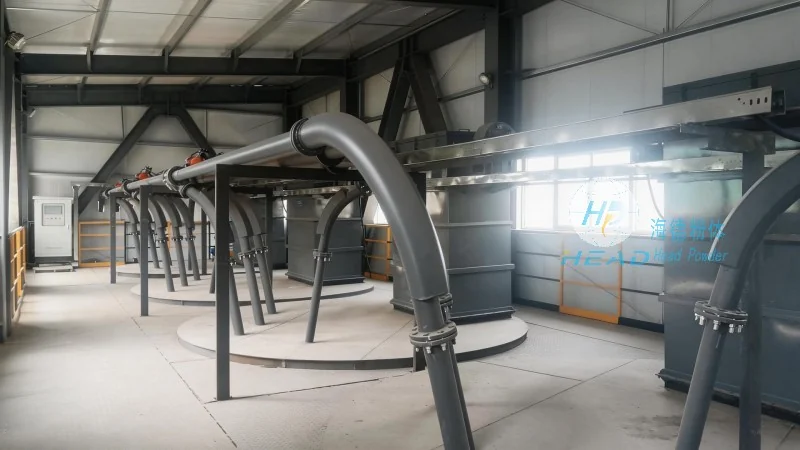
The material separator or discharge equipment is used to separate the material from the air at the destination point. The separator typically uses a cyclone or a bag filter to collect the material and return the air to the system or to the atmosphere. The separator is designed to capture the material particles efficiently, minimizing dust emissions and ensuring a clean discharge.
Advantages of PUR Pneumatic Conveying Lines
PUR pneumatic conveying lines offer several advantages over traditional mechanical conveying systems. These include high efficiency in material transport, minimal maintenance requirements, and the ability to handle a wide range of materials. The use of polyurethane components ensures durability and resistance to wear and corrosion, reducing the need for frequent replacements and repairs.
The system is also flexible and can be customized to meet the specific requirements of each application. The design can be adjusted to handle different material types, such as powders, granules, or fine particles, and can be scaled to accommodate varying production volumes. The automated control system ensures consistent operation and reduces the need for manual intervention, improving overall productivity and reducing labor costs.
Additionally, the system is compact and can be installed in various configurations, including horizontal, vertical, or inclined lines. This flexibility allows for integration into existing production lines or new installations, making it a versatile solution for industrial material handling needs.
Conclusion
PUR pneumatic conveying lines are advanced industrial systems that offer efficient and reliable material transport solutions. With their durable polyurethane components and automated control systems, these lines are designed to handle a wide range of materials with minimal maintenance and high productivity. HeadPowder Engineering, based in Shandong, China, is a leading provider of such systems, offering customized solutions tailored to meet the specific needs of each client. By understanding the operation process and working principles of these systems, industries can leverage their benefits to improve their material handling processes and enhance overall operational efficiency.




