Operation Process and Working Principle of Limestone Pneumatic Conveying System Equipment
Release time:2026-09-20 12:01:38
name of the company:Shandong Headpowder Engineering Co., Ltd.
telephone:156-6277-7102
contacts:Zhang manager
HeadPowder, a leading engineering company based in Shandong, China, specializes in the design, manufacturing, and installation of advanced limestone pneumatic conveying systems. These systems are crucial in various industrial applications, including power plants, cement production, and chemical processing, where efficient material handling of limestone is essential for operational efficiency and cost-effectiveness. The limestone pneumatic conveying system equipment operates by utilizing air pressure to transport limestone powder or granules from one location to another, eliminating the need for traditional bulk handling methods such as trucks or conveyor belts. This technology not only enhances safety by reducing dust exposure but also improves the overall process flow by minimizing material loss and downtime.
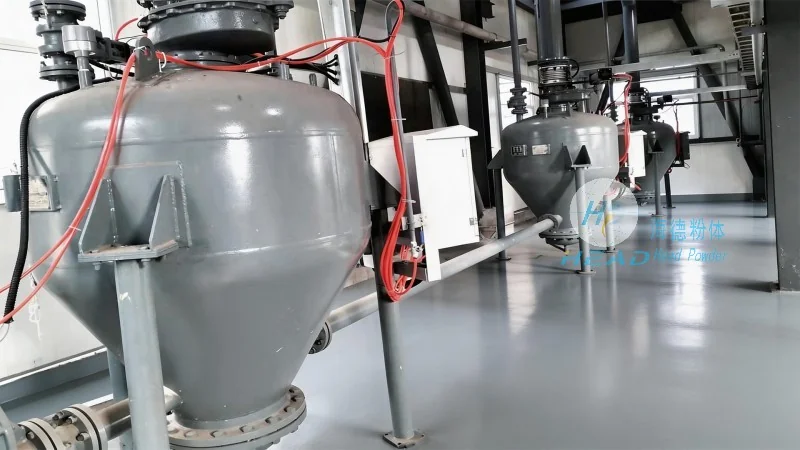
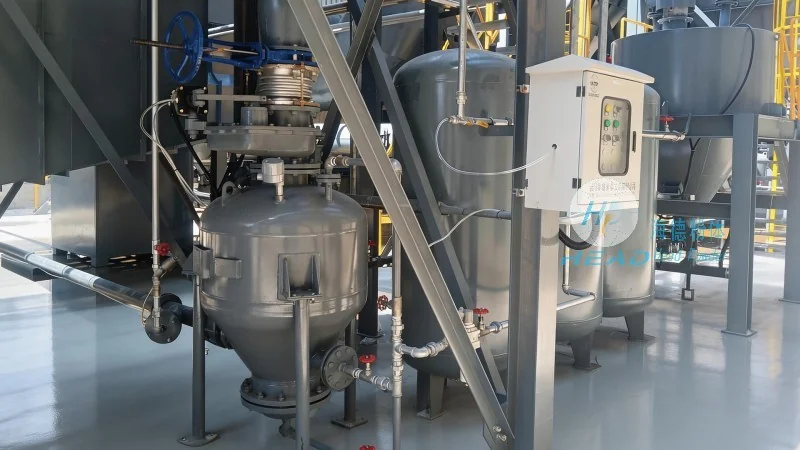
Key Components of the Limestone Pneumatic Conveying System
The limestone pneumatic conveying system consists of several critical components that work in tandem to ensure smooth and reliable operation. The main components include the material feeder, which is responsible for feeding limestone into the system at a consistent rate; the air compressor or blower, which generates the necessary air pressure to move the material; the conveying pipeline, which transports the limestone from the source to the destination; and the receiver or silo, where the material is deposited. Each component plays a vital role in the overall system performance, and proper maintenance and calibration are essential to ensure optimal operation.
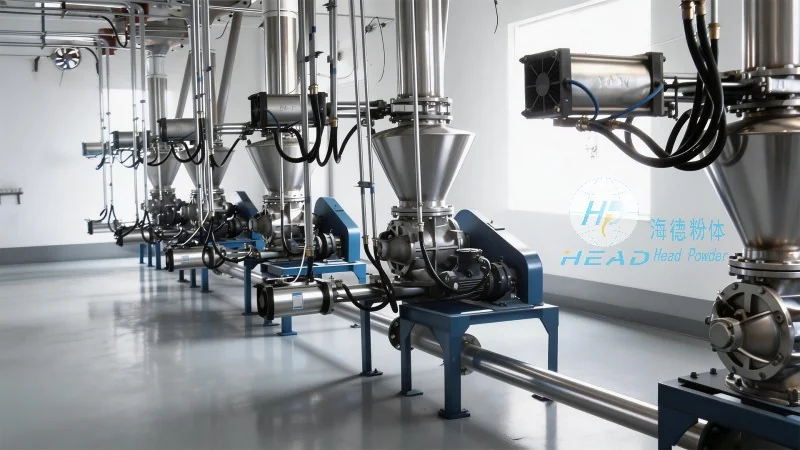
Operation Process of the Limestone Pneumatic Conveying System
The operation process of the limestone pneumatic conveying system begins with the material feeder, which loads the limestone into the system. The feeder is typically a hopper or a screw feeder that maintains a constant material level, ensuring a steady flow into the system. Once the material is fed into the system, the air compressor or blower starts operating, generating high-pressure air that is introduced into the conveying pipeline. The air flows through the pipeline, creating a positive pressure environment that lifts and transports the limestone particles. The limestone particles are carried by the air stream, moving through the pipeline to the receiver or silo at the destination. The receiver is designed to collect the material and maintain a consistent level, preventing overfilling or underfilling. The entire process is automated, with sensors and control systems monitoring the flow rate, pressure, and material level to ensure that the system operates within safe and efficient parameters.
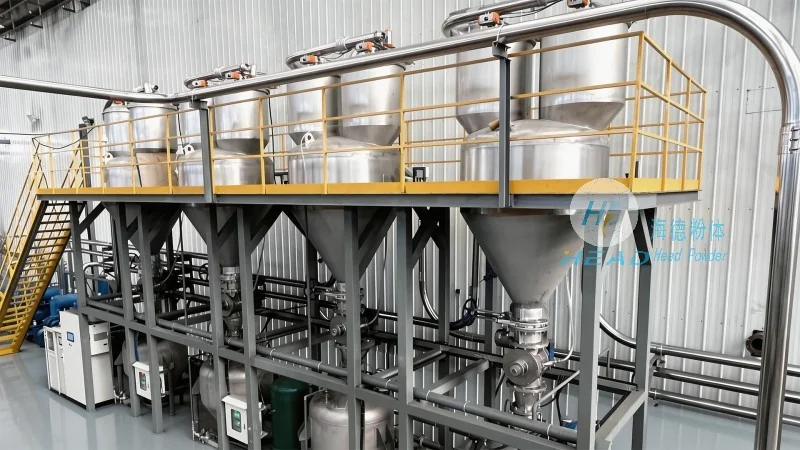
Working Principle of the Limestone Pneumatic Conveying System
The working principle of the limestone pneumatic conveying system is based on the principle of fluidization and pneumatic transport. The system uses air as the conveying medium, which is introduced into the material at a high velocity, creating a fluidized bed. This fluidized bed allows the limestone particles to be suspended in the air stream and transported through the pipeline. The air pressure is maintained at a level that is sufficient to overcome the gravitational force and frictional resistance of the material, ensuring that the material moves smoothly and without blockages. The system can operate in either positive pressure or negative pressure modes, depending on the application and the distance between the source and destination. Positive pressure systems are commonly used for short to medium distances, while negative pressure systems are used for longer distances or when the material needs to be transported from a higher elevation to a lower one.




