Biomass pneumatic conveying systems are critical in modern industrial applications, particularly for the efficient handling of bulk materials like wood chips, straw, and other organic feedstocks. These systems enable the safe and reliable transport of biomass from storage or processing areas to processing units, such as boilers or pellet mills. HeadPowder, a leading manufacturer based in Shandong, China, provides high-quality equipment designed to meet the demands of high-capacity and low-loss material transport, ensuring optimal performance in various industrial settings.
System Components and Their Roles
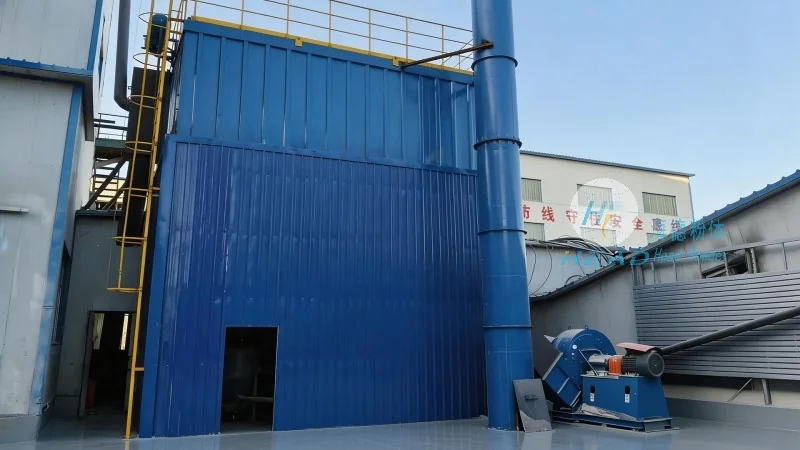
The biomass pneumatic conveying system typically consists of several key components, each playing a vital role in the overall operation. The primary components include the material feeding unit, which introduces the biomass into the system; the air supply system, which generates the necessary airflow to move the material; the conveying pipeline, which transports the material through the system; and the control unit, which regulates the operation of the system to maintain efficiency and safety. Additionally, the system may include accessories like filters, silencers, and pressure relief valves to ensure smooth and safe operation.
Operation Process: Step-by-Step Explanation
The operation of a biomass pneumatic conveying system involves a series of coordinated steps to ensure the efficient transport of material. The process begins with the feeding of biomass into the system. The material is then drawn into the conveying pipeline by the airflow generated by the air supply system. As the material travels through the pipeline, it is suspended and carried by the air stream, moving towards the discharge point. The control unit continuously monitors the system parameters, such as pressure and flow rate, to adjust the airflow as needed. Upon reaching the discharge point, the material is separated from the air and collected in the receiving hopper or processing unit. The system then returns to the initial state, ready for the next cycle of operation.
Working Principle: The Physics Behind Pneumatic Conveying
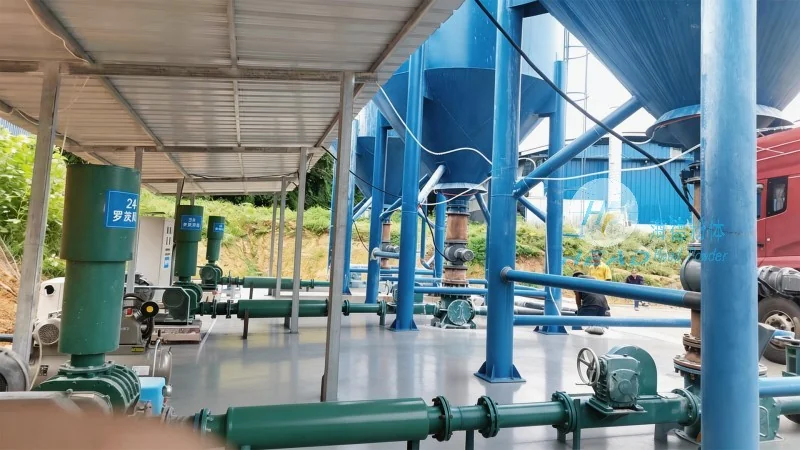
The working principle of a biomass pneumatic conveying system is based on the physics of gas-solid two-phase flow. In a positive pressure system, the air is forced through the pipeline at a high velocity, creating a pressure higher than the ambient air pressure. This pressure difference propels the biomass particles forward. In a negative pressure system, the air is drawn out of the pipeline, creating a vacuum that pulls the material into the system. The key to efficient conveying lies in achieving the right balance between the air velocity and the particle size and density. The system must ensure that the particles are fully suspended in the air stream to prevent blockages and maintain consistent flow rates. The design of the system, including the pipeline diameter, length, and bends, is critical to optimizing the conveying efficiency and minimizing energy consumption.
Advantages of HeadPowder's Biomass Pneumatic Conveying Equipment
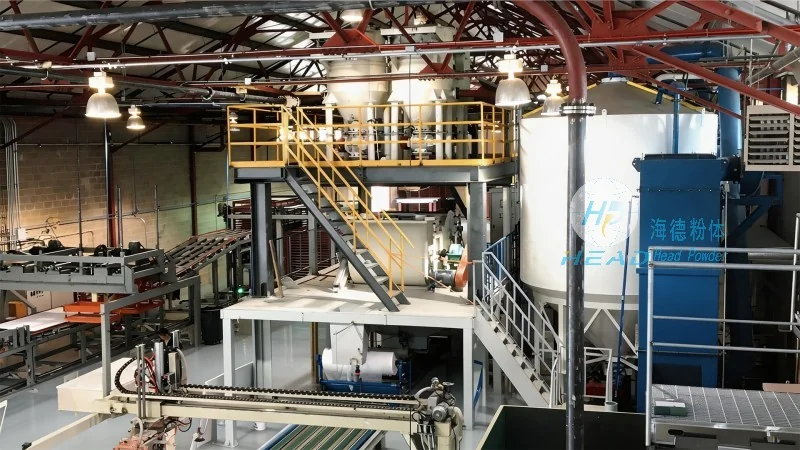
HeadPowder's biomass pneumatic conveying systems offer several advantages that make them ideal for industrial applications. These include high conveying capacity, which allows for the transport of large volumes of biomass in a short time; low material loss, as the system minimizes the risk of material spillage or degradation; and flexibility in handling different types of biomass materials. The equipment is also designed for easy maintenance and operation, with user-friendly control interfaces and robust construction to withstand the rigors of industrial use. Additionally, the systems are energy-efficient, reducing operational costs while maintaining high performance.
Application Examples and Industrial Impact
Biomass pneumatic conveying systems from HeadPowder are widely used in various industries, including the bioenergy sector, where they are used to transport biomass to boilers for energy generation. They are also used in the pelletizing industry, where the material is conveyed to pellet mills for processing. The systems are also suitable for other applications, such as in the food and chemical industries, where bulk organic materials need to be transported safely and efficiently. The use of these systems has a positive impact on industrial operations by improving material handling efficiency, reducing labor costs, and enhancing overall productivity.




