For industries dealing with gypsum calcium, efficient and reliable material handling is crucial. The gypsum calcium aerodynamic conveying system, developed by Shandong HeadPowder Engineering Co., Ltd., based in Shandong, China, offers a sophisticated solution to transport this material with precision and minimal loss. This article delves into the operational process and underlying working principles of such equipment, highlighting how it enhances productivity and operational efficiency.
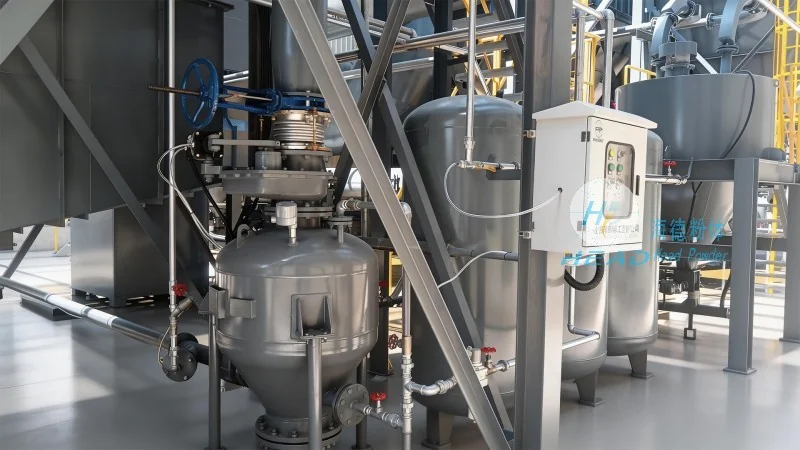
Overview of the Gypsum Calcium Aerodynamic Conveying System
The gypsum calcium aerodynamic conveying system is a specialized piece of equipment designed to transport gypsum calcium powder or granules through an air stream. It is widely used in the construction, mining, and chemical industries due to its ability to handle fine powders and bulk materials with minimal dust generation and low maintenance requirements. The system typically consists of several key components, including a material hopper, a rotary valve feeder, a conveying pipeline, a dust collector, and a discharge unit. Each component plays a vital role in ensuring the smooth and efficient operation of the entire system.
Working Principle of the Aerodynamic Conveying System
The core principle behind the gypsum calcium aerodynamic conveying system is the use of compressed air to create a pneumatic flow that transports the material. When the system is activated, compressed air is introduced into the conveying pipeline, creating a high-velocity air stream. The material from the hopper is then fed into the pipeline via the rotary valve feeder, where it is entrained by the air and carried to the discharge point. The air and material mixture travels through the pipeline, and at the end, the material is separated from the air using a dust collector or cyclone separator. The separated material is then discharged into the designated container, while the air is filtered and released back into the environment.
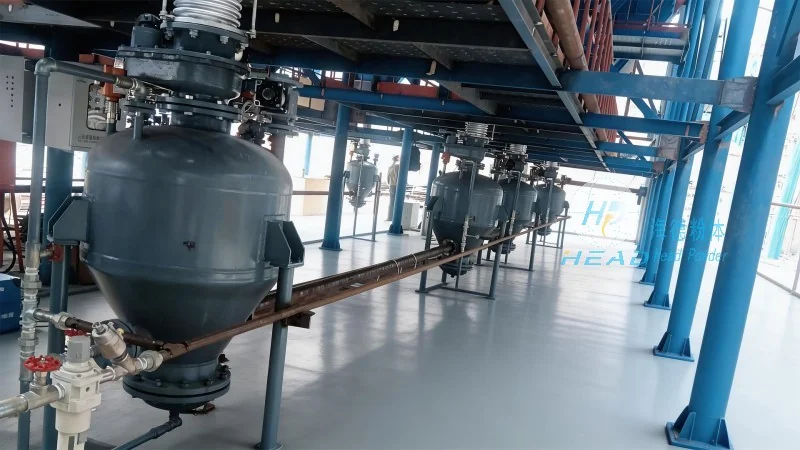
Step-by-Step Operational Process
The operation of the gypsum calcium aerodynamic conveying system involves several sequential steps that ensure consistent and reliable material transport. First, the material is loaded into the hopper, which is equipped with a level indicator to monitor the material level. Next, the rotary valve feeder is activated to control the flow rate of the material into the conveying pipeline. The compressed air is then turned on, creating the necessary air pressure and velocity for conveying. As the material is fed into the pipeline, it is carried by the air stream to the discharge point. The system continuously operates until the material in the hopper is depleted or the conveying task is completed. During operation, the system monitors key parameters such as air pressure, material flow rate, and temperature to ensure optimal performance and prevent any potential issues.
Key Features and Benefits of the System
Shandong HeadPowder Engineering Co., Ltd. has designed the gypsum calcium aerodynamic conveying system with several features that enhance its performance and user experience. One of the primary benefits is the ability to handle fine gypsum calcium powders without clogging or blockages, which is a common issue with traditional conveyor systems. The system also minimizes dust generation, making it suitable for indoor or enclosed environments where dust control is essential. Additionally, the equipment is designed for low maintenance, with easy access to components for cleaning and replacement. The system's energy efficiency is another advantage, as it uses compressed air efficiently to transport the material, reducing operational costs. The compact design of the system allows for easy integration into existing production lines, and the adjustable flow rate control ensures that the conveying speed can be tailored to the specific requirements of the application.
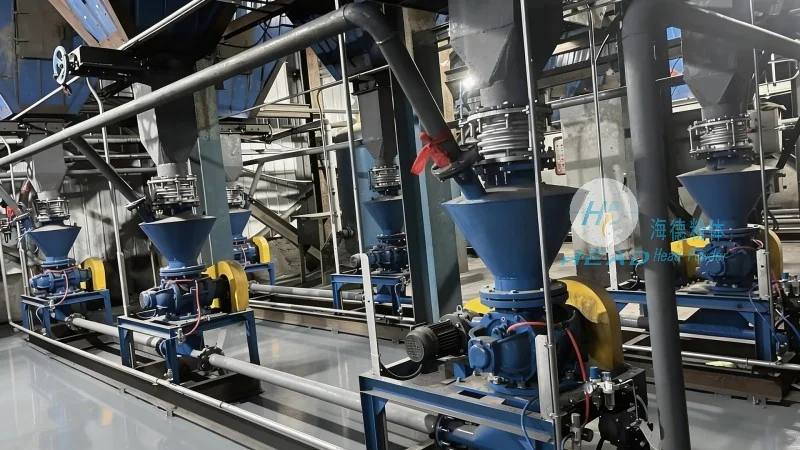
Applications and Industry Use Cases
The gypsum calcium aerodynamic conveying system is versatile and can be applied in various industries where gypsum calcium is a key component. In the construction industry, it is used to transport gypsum for wallboard production, ensuring a consistent supply of raw material to the manufacturing process. In the mining sector, the system is used to transport gypsum from storage silos to processing facilities, improving the efficiency of material handling. The chemical industry also benefits from this system, as it can handle gypsum calcium used in the production of plaster and other chemical products. The system's ability to handle both dry and slightly moist materials makes it suitable for a wide range of applications, from small-scale operations to large industrial plants.
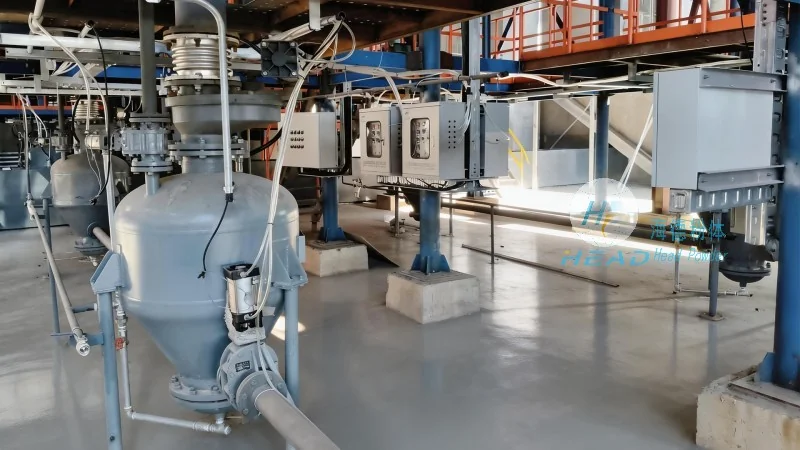
Maintenance and Safety Considerations
Proper maintenance and adherence to safety guidelines are essential for the long-term performance and safety of the gypsum calcium aerodynamic conveying system. Regular inspection of the components, such as the hopper, rotary valve feeder, and conveying pipeline, is necessary to ensure there are no blockages or wear and tear. The air compressor and filters should be checked regularly to maintain optimal air quality and pressure. The dust collector should be cleaned periodically to prevent clogging and ensure efficient filtration. Safety measures, such as proper grounding of electrical components and the use of protective equipment by operators, are crucial to prevent accidents and injuries. The system should also be equipped with emergency stop buttons and alarms to alert operators in case of any malfunction or abnormal conditions.
Conclusion
The gypsum calcium aerodynamic conveying system, developed by Shandong HeadPowder Engineering Co., Ltd., represents a significant advancement in material handling technology. By leveraging the principles of pneumatic conveying, the system offers an efficient, reliable, and low-maintenance solution for transporting gypsum calcium. Its ability to handle fine powders, minimize dust generation, and adapt to various industrial applications makes it an ideal choice for industries seeking to improve their operational efficiency and product quality. With proper maintenance and adherence to safety guidelines, this system can provide long-term benefits and contribute to the overall success of industrial operations.




