HeadPowder, a prominent engineering company headquartered in Shandong, China, specializes in the design and manufacturing of advanced dry lime pneumatic conveying systems. These systems are engineered to efficiently transport dry lime powder through a pneumatic conveying network, ensuring reliable, low-maintenance operation across various industrial applications such as flue gas desulfurization, steel production, and water treatment.
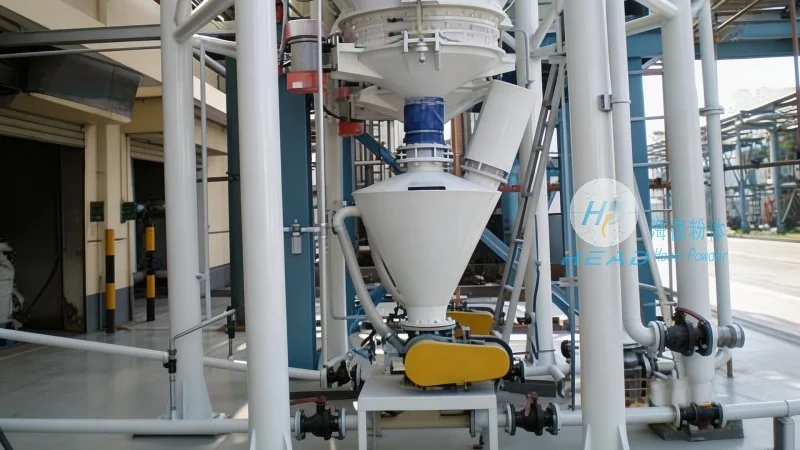
Working Principle of the Dry Lime Pneumatic Conveying System
The fundamental principle of the dry lime pneumatic conveying system is the use of compressed air to transport dry materials. The system comprises several key components, including a hopper for material storage, a rotary airlock valve for controlled material discharge, a conveying pipeline for material transport, and a receiver for material collection. The process initiates when dry lime is fed into the hopper. As the material accumulates, the rotary airlock valve opens, allowing the dry lime to enter the conveying pipeline under the pressure of the compressed air. The air and material mixture travels through the pipeline, with the air providing the necessary force to move the dry lime to the designated destination. At the receiver, the dry lime is collected, and the air is filtered and recycled back into the system to maintain efficiency and reduce waste.
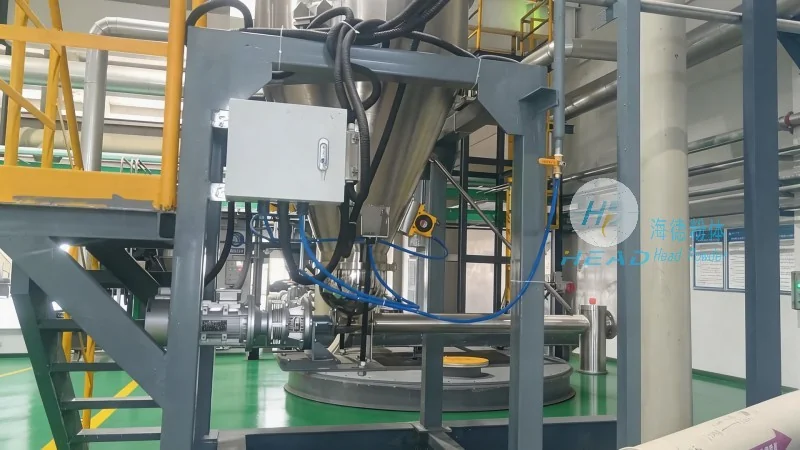
Operation Process of the Dry Lime Pneumatic Conveying System
The operation of the dry lime pneumatic conveying system is a continuous and automated process. The system begins by activating the compressed air supply, which builds pressure within the pipeline. The hopper is then filled with dry lime, and the rotary airlock valve is set to an appropriate speed to control the flow rate. As the air pressure increases, the dry lime is drawn into the conveying pipeline. The material is transported through the pipeline at a controlled velocity, ensuring minimal degradation and loss during transit. Upon reaching the receiver, the dry lime is discharged, and the air is filtered to remove any dust particles before being recirculated back into the system. This cycle repeats continuously, providing a steady and consistent flow of dry lime to the application point, which may be a storage silo, a processing unit, or a point of use in the industrial facility.
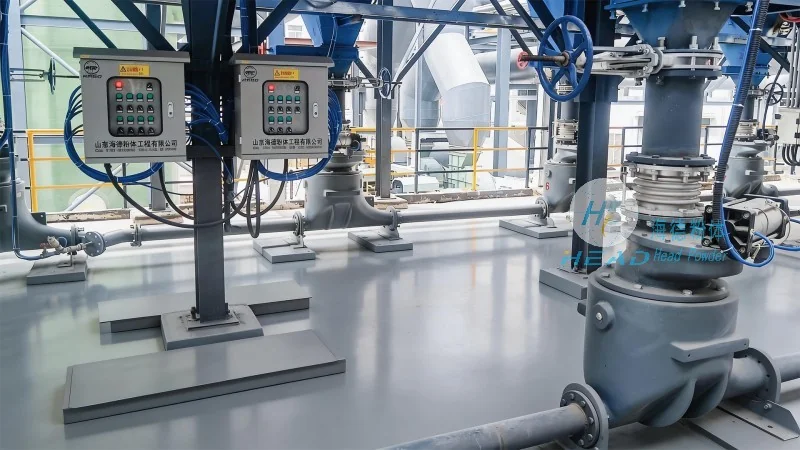
Key Components and Their Functions
Several critical components are integral to the effective operation of the dry lime pneumatic conveying system. The hopper serves as the primary storage vessel, holding the dry lime until it is needed for transport. The rotary airlock valve acts as a gate mechanism, controlling the flow of material into the conveying pipeline and preventing backflow or material leakage. The conveying pipeline is constructed from durable materials, such as stainless steel or PVC, to withstand the pressure and friction of the air and material mixture. It includes appropriate bends, fittings, and expansion joints to maintain the flow and prevent blockages. The receiver collects the dry lime and may include a dust collection system to ensure environmental compliance and maintain air quality. The compressed air system provides the necessary pressure and volume to drive the conveying process, with filters, regulators, and air dryers to maintain air quality and pressure stability, preventing moisture-related issues that could affect the dry lime quality.
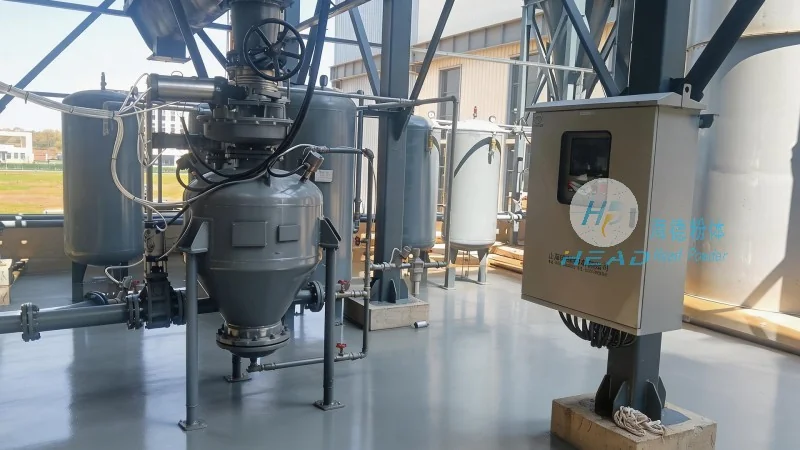
Advantages of Implementing a Dry Lime Pneumatic Conveying System
Adopting a dry lime pneumatic conveying system offers significant benefits for industrial operations. Firstly, it eliminates the need for traditional bulk handling methods, such as trucks or conveyor belts, which can be costly, time-consuming, and environmentally unfriendly. The system reduces material handling time and labor costs, as the dry lime is transported directly from the source to the application point without intermediate storage or manual handling. Additionally, the system minimizes material degradation and loss, as the dry lime is handled in a closed environment, protecting it from moisture, contamination, and degradation that can occur during open-air storage or transport. The low maintenance requirements of the system also contribute to long-term cost savings, as there are fewer moving parts and less wear and tear compared to traditional systems, reducing the need for frequent repairs and replacements. Finally, the system enhances workplace safety by reducing the risk of dust explosions and improving overall working conditions, as the material is contained within the system and handled in a controlled manner.




