For coffee processing facilities, efficient and reliable material handling is crucial to maintaining product quality and operational efficiency. The coffee pneumatic conveying system, developed by Shandong HeadPowder Engineering Co., Ltd., represents a sophisticated solution designed to meet these demands. This article explores the operational process and working principles of such systems, highlighting how they enhance the coffee production workflow.
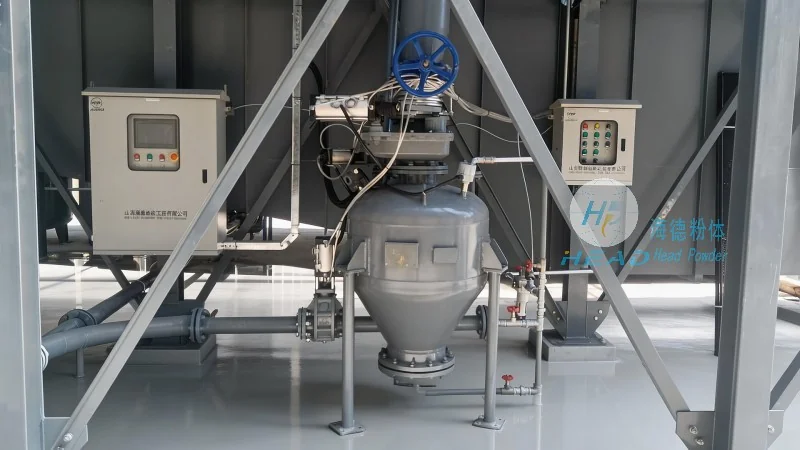
Introduction to Coffee Pneumatic Conveying Systems
The coffee pneumatic conveying system is a technology that uses compressed air to transport coffee beans or ground coffee through a network of pipes. This method offers several advantages over traditional mechanical conveyors, including reduced contamination risk, lower maintenance requirements, and the ability to handle fragile materials like coffee without causing damage. The system is typically integrated into coffee processing lines, from raw bean reception to packaging, ensuring a seamless flow of materials.
Key Components of the Pneumatic Conveying System
At the core of the coffee pneumatic conveying system are several key components that work in tandem to facilitate material transport. These include the air compressor, which generates the necessary pressure to move materials; the hopper or feeder, which holds the coffee beans and regulates the flow into the system; the conveying pipes, which form the transport network; and the control valves and filters, which manage air pressure and prevent dust or debris from entering the system. Each component is designed to ensure optimal performance and durability in the demanding environment of coffee processing.
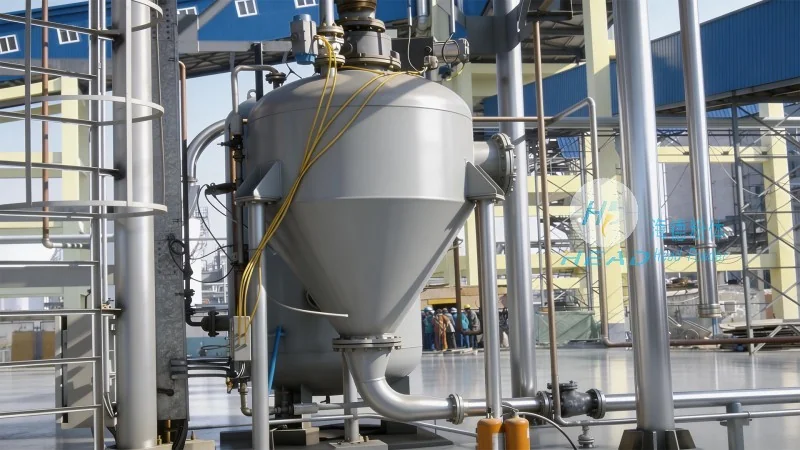
Operation Process: Step-by-Step Overview
The operation of the coffee pneumatic conveying system follows a systematic process that begins with the loading of coffee beans into the hopper. The air compressor then activates, creating a pressure differential that draws the coffee beans into the conveying pipes. As the air flows through the system, it transports the beans to the next stage of processing, such as grinding or packaging. The system may include multiple conveying lines to handle different stages or types of coffee products, with each line controlled by a separate set of valves and sensors. The entire process is monitored by the system's control panel, which adjusts air pressure and flow rates to maintain consistent performance.
Working Principle: How the System Transports Materials
The working principle of the coffee pneumatic conveying system is based on the fundamental physics of fluid dynamics and air pressure. When the air compressor produces compressed air, it creates a high-pressure environment within the system. The hopper, which is connected to the inlet of the conveying pipe, allows coffee beans to enter the pipe as the air flows. The air, moving at a high velocity, carries the coffee beans along the pipe, overcoming the force of gravity and any resistance within the system. The system may use different types of conveying methods, such as pressure or vacuum systems, depending on the specific application and material characteristics. For coffee, a pressure system is often preferred as it provides more control over the flow and reduces the risk of material degradation.
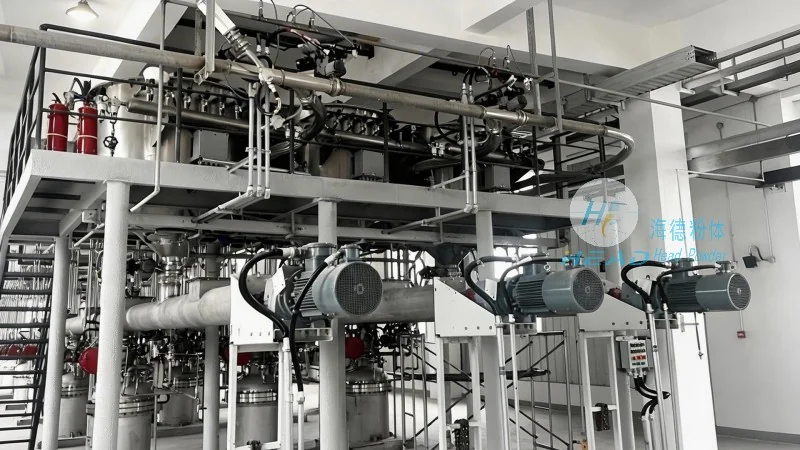
Advantages and Applications in Coffee Processing
The coffee pneumatic conveying system offers numerous benefits for coffee processing facilities. These include improved hygiene, as the system is enclosed and prevents contamination from external sources. It also enhances product quality by minimizing the risk of damage to coffee beans during transport. Additionally, the system reduces labor costs by automating the material handling process and improving operational efficiency. In practice, the system is widely used in coffee processing plants to transport raw coffee beans from storage to roasting, and then to grinding and packaging. The flexibility of the system allows it to be adapted to different production scales, from small-scale artisanal operations to large industrial facilities.
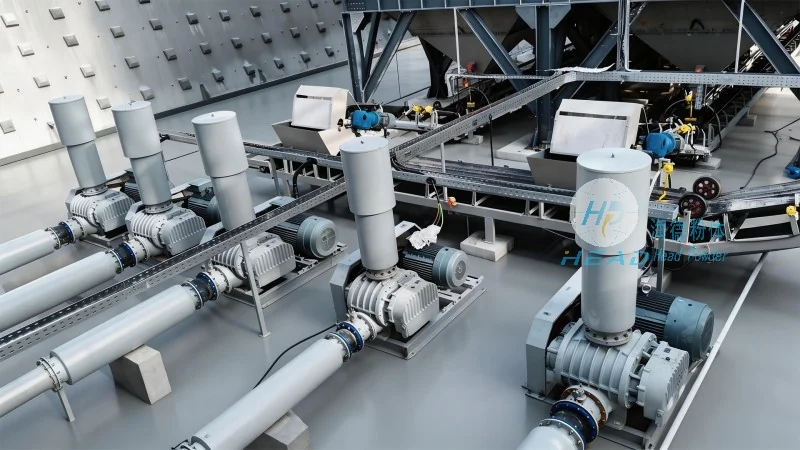
Maintenance and Operational Considerations
To ensure the long-term reliability and efficiency of the coffee pneumatic conveying system, regular maintenance is essential. This includes checking the air compressor for proper operation, cleaning the filters to prevent clogging, and inspecting the conveying pipes for any signs of wear or damage. The system's control panel should be monitored regularly to detect any changes in air pressure or flow rates that could indicate a problem. Additionally, the system should be cleaned periodically to remove any coffee residue or dust that may accumulate over time. Proper maintenance not only extends the lifespan of the equipment but also ensures consistent performance and product quality.
Conclusion: The Role of Pneumatic Conveying in Modern Coffee Production
In conclusion, the coffee pneumatic conveying system is a critical component of modern coffee processing facilities. By leveraging compressed air to transport coffee beans efficiently and safely, the system enhances operational efficiency, improves product quality, and reduces labor costs. The technology, developed by Shandong HeadPowder Engineering Co., Ltd., represents a reliable and advanced solution for coffee processing plants. As the coffee industry continues to grow and evolve, the importance of efficient material handling systems like the pneumatic conveying system will only increase, making it an essential investment for any coffee processing facility.




