HeadPowder, a leading engineering company based in Shandong, China, specializes in the design, manufacturing, and installation of advanced pneumatic conveying systems for various industrial applications, including the efficient handling of sodium sulfate materials.
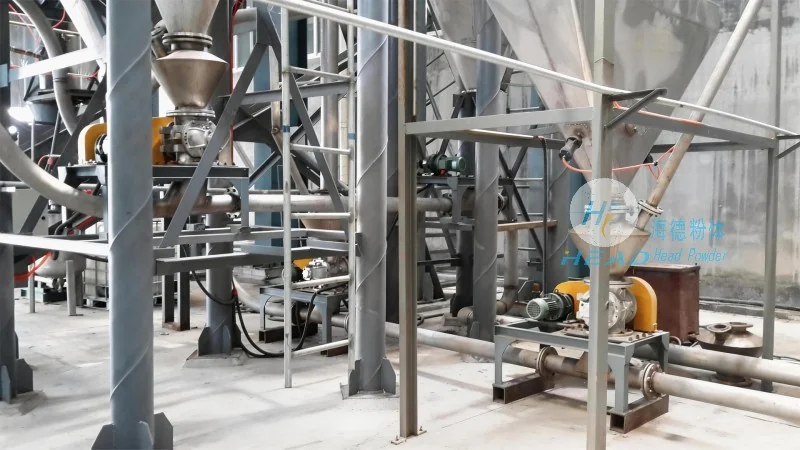
Overview of Pneumatic Conveying Technology for Sodium Sulfate
Pneumatic conveying is a critical method for transporting bulk materials like sodium sulfate over short to medium distances. This technology utilizes a pressurized air stream to move the material through a pipeline system, eliminating the need for mechanical components such as belts or buckets. The process is highly efficient, offering advantages like reduced labor costs, improved safety, and the ability to handle materials that are difficult to transport via traditional methods.
Key Components of a Sodium Sulfate Pneumatic Conveying System
A typical pneumatic conveying system for sodium sulfate consists of several essential components. These include a material feeder, which ensures a consistent flow of the material into the system; a conveying pipeline, which transports the material from the source to the destination; a receiver, which collects the material at the end of the line; and a control system, which regulates the air pressure and flow rate to maintain optimal operation. Additionally, the system may include a filter or dust collector to manage any airborne particles and ensure compliance with environmental regulations.
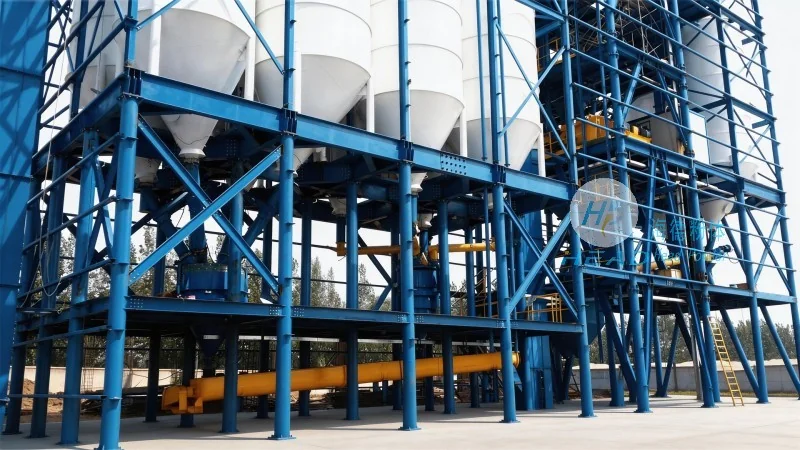
Working Principle of the Conveying Process
The operation of a sodium sulfate pneumatic conveying line begins with the material being fed into the system. The feeder typically uses a rotary valve or a screw conveyor to introduce the material into the pipeline at a controlled rate. Simultaneously, a high-pressure air compressor generates the air stream, which is then introduced into the pipeline. As the air flows through the pipeline, it creates a negative pressure (or positive pressure) environment that pulls or pushes the material along with it. The air velocity is carefully controlled to ensure that the material is conveyed without causing excessive wear on the pipeline or the equipment. The material travels through the pipeline until it reaches the receiver, where it is deposited and collected for further use.
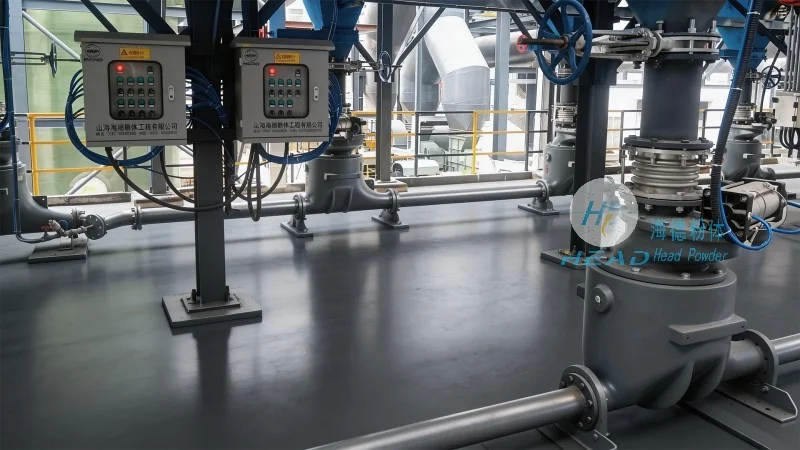
Operation Process of the System
The operation of the sodium sulfate pneumatic conveying line involves several steps that are coordinated by the control system. First, the system is started by activating the air compressor and the material feeder. The control system monitors the pressure and flow rate to ensure that the material is conveyed at the desired speed. During operation, the system continuously feeds the material into the pipeline and transports it to the receiver. If any issues arise, such as a blockage or a pressure drop, the control system will automatically adjust the air flow or stop the feeder to prevent damage to the equipment. The system is designed to operate continuously, providing a reliable and efficient method for transporting sodium sulfate materials.
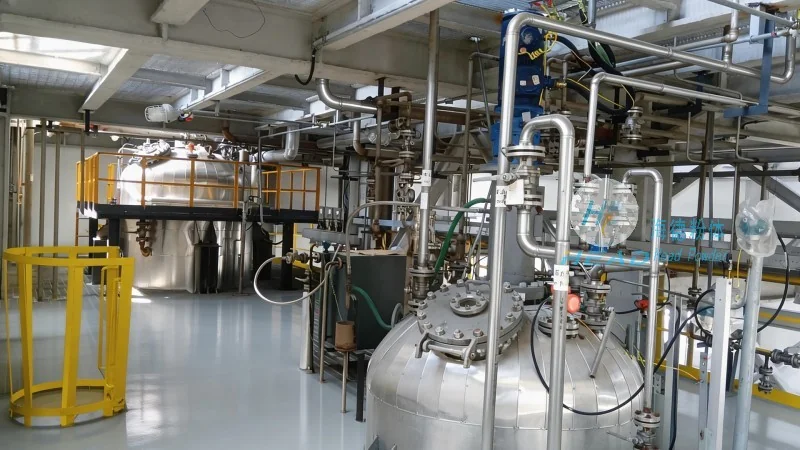
Advantages of Using Pneumatic Conveying for Sodium Sulfate
There are several advantages to using pneumatic conveying for sodium sulfate materials. First, the system is highly efficient, as it eliminates the need for manual handling and reduces the risk of material spillage. Second, the process is safe, as it minimizes the exposure of workers to the material and reduces the risk of accidents. Third, the system is flexible, as it can be easily modified to accommodate changes in the material flow rate or the distance of the conveying line. Finally, the system is cost-effective, as it reduces labor costs and minimizes the need for maintenance.
Conclusion
HeadPowder's pneumatic conveying systems for sodium sulfate materials are designed to provide reliable and efficient operation. The system's components work together to ensure that the material is conveyed safely and effectively, while the control system ensures that the operation is optimized for maximum performance. With its advanced technology and expertise, HeadPowder is a trusted partner for companies looking to improve their material handling processes.




