For industrial facilities dealing with flue gas desulfurization, the efficient and reliable transport of desulfurizer materials is a critical operational requirement. The pneumatic conveying line, as a core component of the desulfurization process, plays a vital role in ensuring the smooth flow of materials from storage to the reaction point. This article provides an in-depth look at the operation process and working principle of such systems, highlighting the key components, operational procedures, and the importance of maintaining optimal performance for industrial applications.
Key Components of the Pneumatic Conveying Line
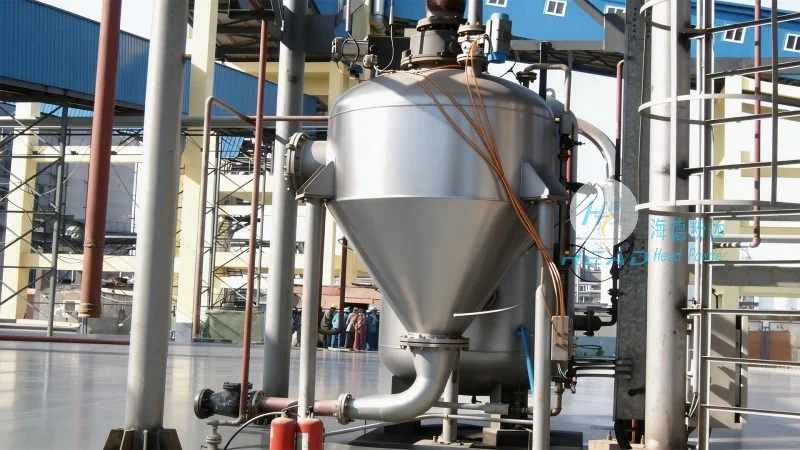
The pneumatic conveying system for desulfurizer materials typically consists of several essential components that work in concert to achieve effective material transport. These components include the material hopper, feeder, air compressor or blower, conveying pipeline, and the discharge point. Each component serves a specific function, contributing to the overall efficiency and reliability of the system.
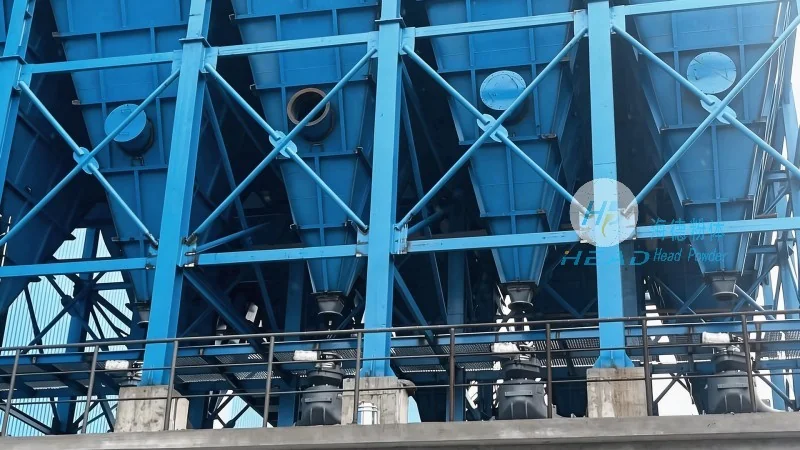
The material hopper is designed to store the desulfurizer powder, providing a consistent feed source. It is equipped with a level indicator to monitor the material inventory and a discharge valve that controls the flow rate. The feeder, often a rotary valve or a screw feeder, regulates the amount of material released into the conveying pipeline, ensuring a steady and controlled feed. The air compressor or blower generates the necessary air pressure to move the material particles through the pipeline. The conveying pipeline, usually made of stainless steel or other corrosion-resistant materials, is designed to withstand the abrasive nature of the desulfurizer powder and maintain the required air pressure. The discharge point, where the material is deposited at the reaction site, is equipped with a control valve to regulate the material flow and prevent backflow.
Operation Process of the Pneumatic Conveying Line
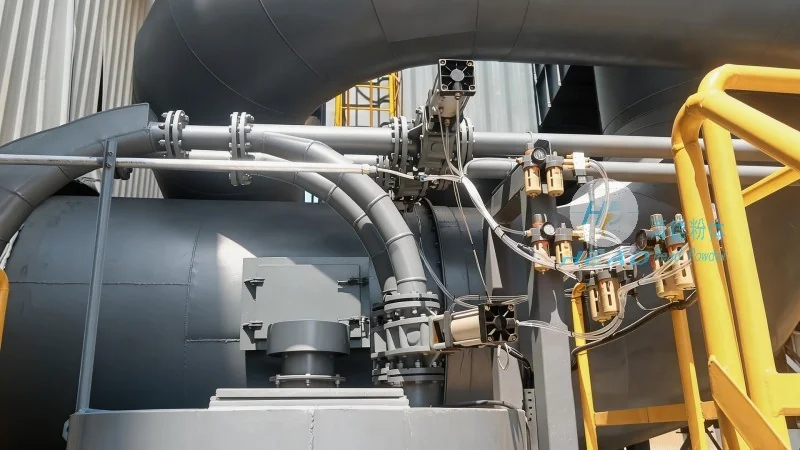
The operation of the desulfurizer material pneumatic conveying line involves a sequence of steps that ensure the material is transported from the storage hopper to the reaction point efficiently and without interruption. The process begins with the material being loaded into the hopper. The feeder then starts to release the material at a controlled rate, which is then mixed with the air from the compressor. The air and material mixture is then forced through the conveying pipeline to the discharge point. At the discharge point, the material is separated from the air and deposited into the reaction vessel or storage container. The air is then filtered and returned to the system or released to the atmosphere, depending on the system design.
During the operation, the system continuously monitors key parameters such as air pressure, material flow rate, and pipeline pressure. These parameters are adjusted as needed to maintain optimal performance. For example, if the material flow rate is too low, the feeder speed may be increased to maintain the desired flow. If the air pressure is too high, the compressor speed may be reduced to prevent excessive wear on the components. The system also includes safety features such as pressure relief valves and emergency shut-off valves to prevent accidents and ensure the safety of the operators.
Working Principle of the Pneumatic Conveying System
The working principle of the pneumatic conveying system is based on the principle of fluidization and suspension of solid particles in a gas stream. The air compressor generates a high-pressure air stream that flows through the conveying pipeline. As the material is fed into the pipeline, it is suspended in the air stream and carried to the discharge point. The velocity of the air stream is crucial for maintaining the material in suspension and preventing it from settling or clogging the pipeline. The system operates under either positive pressure or negative pressure, depending on the application. Positive pressure systems are commonly used for long-distance or high-rise applications, while negative pressure systems are used for short-distance or low-rise applications.
The efficiency of the pneumatic conveying system depends on several factors, including the particle size and density of the material, the air velocity, and the pipeline diameter. The particle size and density affect the air required to suspend the material, while the air velocity and pipeline diameter affect the pressure drop and the overall system efficiency. Proper design and maintenance of the system are essential to ensure optimal performance and minimize operational costs.
Importance of Maintenance and Optimization
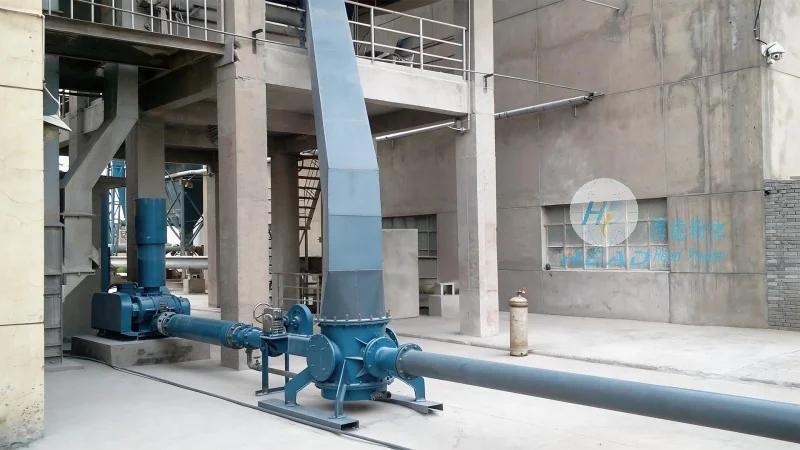
Maintaining the pneumatic conveying line in optimal condition is crucial for ensuring the efficiency and reliability of the desulfurization process. Regular maintenance, including cleaning the pipeline, checking the air compressor and feeder, and inspecting the components for wear and tear, is essential to prevent clogging, blockages, and other issues that can affect the system's performance. Additionally, optimizing the system parameters, such as the air pressure and material feed rate, can improve the system's efficiency and reduce energy consumption.
Shandong HeadPowder Engineering Co., Ltd., a leading manufacturer of industrial conveying systems, provides high-quality pneumatic conveying lines for desulfurizer materials. With years of experience in the industry, the company has developed advanced systems that meet the specific needs of industrial facilities. The company's products are designed to be reliable, efficient, and easy to maintain, ensuring that the desulfurization process runs smoothly and effectively.




