Activated carbon is widely used in various industrial processes for its excellent adsorption properties, and the efficient transportation of activated carbon material is crucial for the smooth operation of production lines. Pneumatic conveying lines provide an effective solution for transporting activated carbon, offering advantages such as non-contact handling, low maintenance, and the ability to transport materials over long distances. This article will explore the operation process and working principle of activated carbon material pneumatic conveying lines, focusing on the key components, operational steps, and technical aspects that ensure reliable and efficient material handling.
Introduction to Activated Carbon Pneumatic Conveying Systems
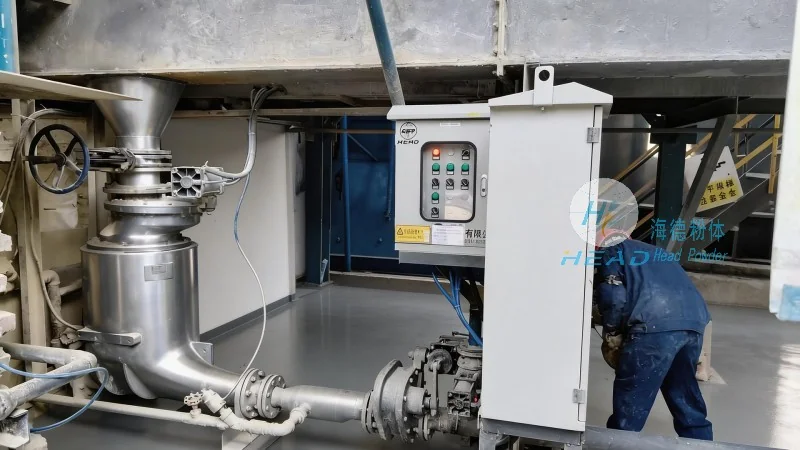
Activated carbon, a porous carbon material with high surface area, is essential in applications like water treatment, air purification, and chemical processing. Traditional methods of transporting activated carbon, such as belt conveyors or manual handling, often face challenges like material degradation, contamination, and inefficiency. Pneumatic conveying systems address these issues by using compressed air to move the material through a pipeline system. The system typically consists of a hopper, a feeder, a conveying line, and a receiver, with optional components like filters, cyclones, and pressure vessels to enhance performance. The choice of conveying system depends on factors like material characteristics, distance, and throughput requirements.
Key Components of Activated Carbon Pneumatic Conveying Lines
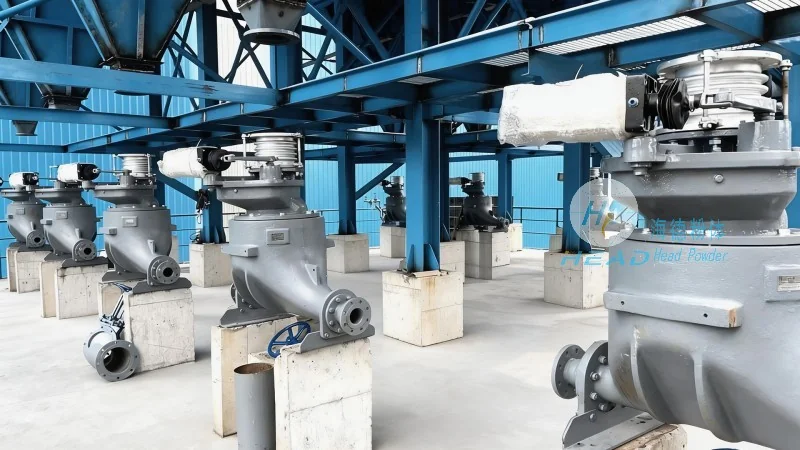
The efficiency of an activated carbon pneumatic conveying line relies on several critical components. The hopper is the storage vessel where the activated carbon is loaded, equipped with a discharge valve to control the material flow. The feeder, often a rotary valve or a screw feeder, regulates the material discharge rate into the conveying line. The conveying line itself is a pipeline system that transports the material using compressed air. The receiver is the final storage or processing vessel where the material is deposited. Additional components may include filters to remove dust from the air, cyclones for separating material from air, and pressure vessels to maintain system pressure. These components work in tandem to ensure the material is transported safely and efficiently.
Working Principle of Pneumatic Conveying
The working principle of a pneumatic conveying system involves the use of compressed air to create a flow that propels the activated carbon particles through the pipeline. There are two main types of pneumatic conveying: dilute phase and dense phase. Dilute phase systems use low air velocity and high air-to-material ratios, suitable for short distances and low to medium material loads. Dense phase systems use higher air velocity and lower air-to-material ratios, ideal for long distances and high material loads, as they minimize particle degradation and pressure drop. The system operates by introducing compressed air into the conveying line, creating a pressure differential that moves the material. The air flow carries the activated carbon particles, and the system maintains a consistent flow rate to prevent blockages or uneven material distribution.
Operation Process of Activated Carbon Pneumatic Conveying Lines
The operation process of an activated carbon pneumatic conveying line involves several sequential steps. First, the activated carbon is loaded into the hopper from a bulk storage or production line. The hopper is then sealed to prevent dust and contamination. Next, the feeder is activated to regulate the material discharge rate, ensuring a steady flow into the conveying line. Compressed air is supplied to the system, and the air flow is adjusted to match the material flow rate. The material is then conveyed through the pipeline to the receiver. The receiver is designed to handle the incoming material, often with a discharge valve to control the final material release. During operation, the system monitors pressure, air flow, and material level to ensure optimal performance. Any issues, such as blockages or pressure drops, are detected and addressed promptly to maintain system efficiency.
Advantages and Considerations for Activated Carbon Pneumatic Conveying
Pneumatic conveying lines offer several advantages for activated carbon transportation. These include non-contact handling, which prevents material contamination and degradation, low maintenance requirements due to fewer moving parts, and the ability to transport materials over long distances without the need for intermediate storage. Additionally, the system can be integrated with other production processes, such as filtration or chemical treatment, to streamline operations. However, there are considerations to keep in mind. The system requires a reliable compressed air supply, and the air quality must be maintained to prevent contamination of the activated carbon. The material characteristics, such as particle size and moisture content, affect the system's performance, and adjustments may be needed for different applications. Proper system design and maintenance are crucial to ensure long-term efficiency and reliability.
Application Examples and Case Studies
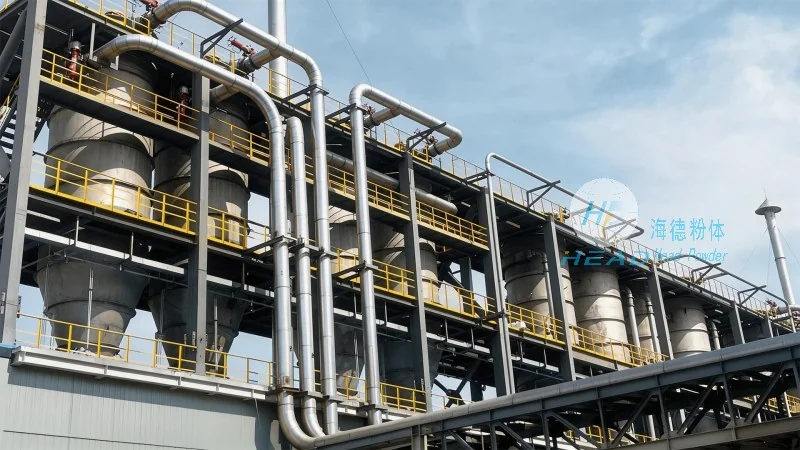
Activated carbon pneumatic conveying lines are widely used in various industries. For example, in water treatment plants, the system transports activated carbon from storage to filtration units, ensuring consistent material supply. In chemical processing facilities, the system moves activated carbon between reactors and storage areas, supporting continuous production. A case study from a pharmaceutical company shows that implementing a pneumatic conveying system reduced material handling time by 30% and improved product quality by minimizing contamination. These examples highlight the effectiveness of pneumatic conveying in enhancing operational efficiency and product quality.
Conclusion and Company Overview
Activated carbon material pneumatic conveying lines are a reliable and efficient solution for transporting activated carbon in industrial applications. The system's design and operation, involving key components like hoppers, feeders, and conveying lines, ensure that the material is handled safely and effectively. The working principle, based on compressed air flow, provides flexibility for different material characteristics and distances. As the demand for activated carbon increases, the importance of efficient transportation systems becomes more critical. Shandong HeadPowder Engineering Co., Ltd., a leading provider of engineering solutions, specializes in designing and manufacturing customized pneumatic conveying systems tailored to specific industrial needs. With a focus on quality and customer satisfaction, the company ensures that its systems meet the highest standards of performance and reliability. Based in Shandong, China, HeadPowder offers comprehensive solutions for material handling, supporting industries in achieving optimal operational efficiency and product quality.




