PTFE (Polytetrafluoroethylene) pneumatic conveying systems represent a sophisticated technology for transporting bulk materials through a pipeline using air or other gas as the conveying medium. These systems are widely utilized across various industries, including chemical processing, pharmaceuticals, food processing, and powder handling, due to their ability to handle a broad range of materials, from fine powders to granules, with minimal product degradation. The core advantage of PTFE in this application lies in its exceptional chemical resistance, non-stick properties, and thermal stability, which are critical for maintaining material integrity during transport.
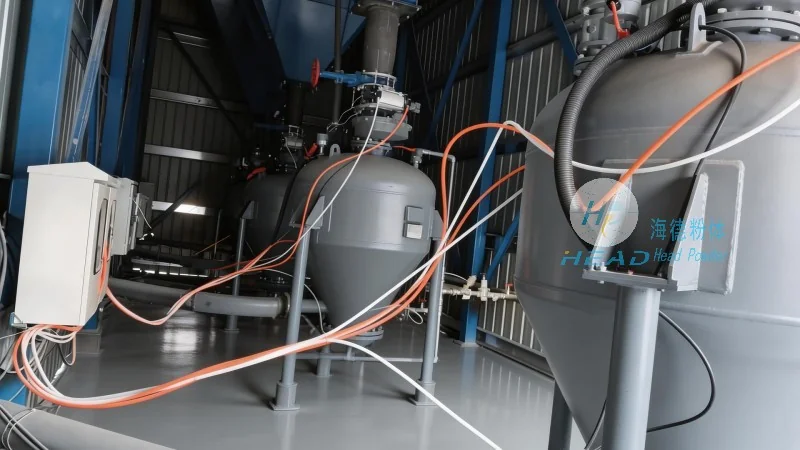
Key Structural Components of PTFE Pneumatic Conveying Systems
The PTFE pneumatic conveying system consists of several essential components that work in tandem to ensure efficient material transport. The primary components include the material feed hopper, which holds the bulk material and feeds it into the conveying line; the conveying line itself, typically made from PTFE-coated or PTFE-lined metal pipes, which provides a smooth, low-friction surface to minimize material abrasion and blockage; the air or gas source, such as a blower or compressor, which generates the pressure or vacuum needed to move the material; and the control valves, which regulate the flow of air and material to maintain optimal system performance. Additionally, the system may include a receiver or discharge hopper at the end of the line to collect the conveyed material, and sometimes a filter or cyclone separator to remove any entrained air or fine particles from the exhaust.
Working Principle of PTFE Pneumatic Conveying Systems
The operation of a PTFE pneumatic conveying system is based on the principle of fluidization and suspension of the bulk material within the conveying line. When air or gas is introduced into the system, it creates a low-pressure or high-pressure environment that lifts the material particles off the pipe walls and suspends them in the gas stream. The material is then carried along the pipeline to the destination. There are two main types of pneumatic conveying systems: dilute-phase and dense-phase. Dilute-phase systems operate at higher velocities and lower material concentrations, suitable for fine powders and long-distance transport. Dense-phase systems, on the other hand, operate at lower velocities and higher material concentrations, which is ideal for handling abrasive or sensitive materials that require minimal impact and less wear on the system components. The PTFE material used in the system components ensures that the material being conveyed does not stick to the pipe walls, preventing blockages and ensuring smooth, continuous operation.
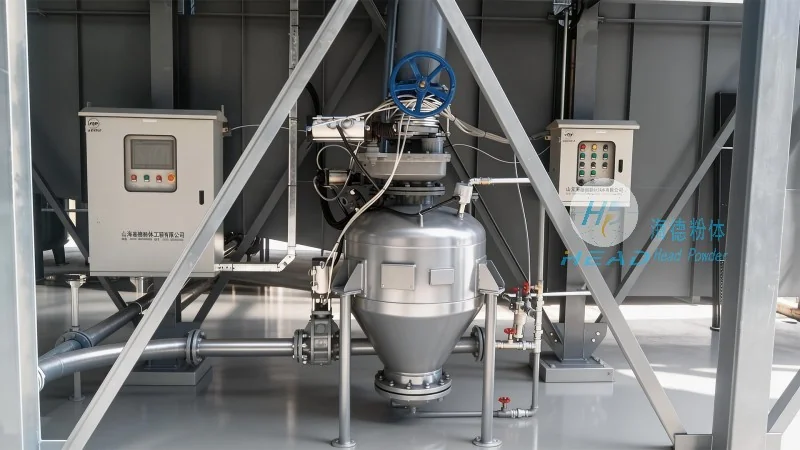
Advantages of PTFE in Pneumatic Conveying Applications
PTFE's unique properties make it an ideal material for pneumatic conveying systems. Its chemical inertness allows it to resist corrosion from a wide range of acids, bases, and solvents, making it suitable for handling aggressive materials. The non-stick surface of PTFE prevents material buildup and reduces the risk of clogging, which is a common issue in traditional metal or plastic pipelines. Furthermore, PTFE's thermal stability enables the system to operate at elevated temperatures without degrading, which is beneficial for materials that require heating during transport. The low friction coefficient of PTFE also reduces energy consumption, as less power is needed to move the material through the pipeline. These advantages collectively contribute to the efficiency, reliability, and longevity of PTFE pneumatic conveying systems.
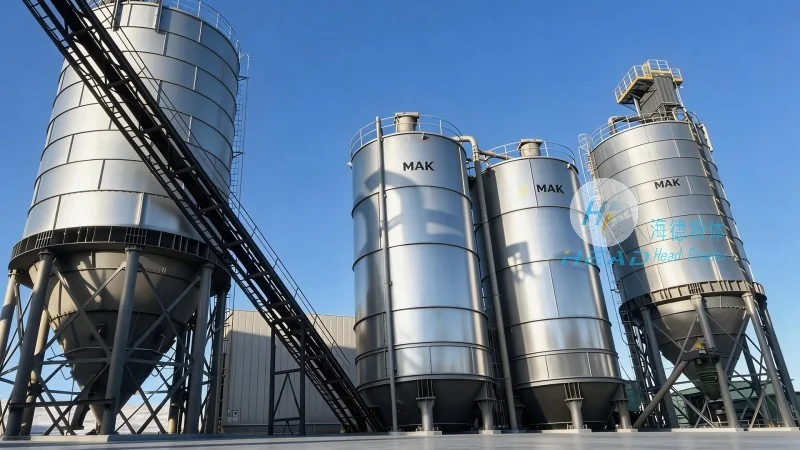
Applications and Industries Served by PTFE Pneumatic Conveying Systems
PTFE pneumatic conveying systems are employed in diverse industrial applications where the handling of bulk materials is critical. In the chemical industry, they are used to transport powders such as polymers, pigments, and catalysts, which often require protection from contamination and degradation. The pharmaceutical industry benefits from PTFE systems for handling active pharmaceutical ingredients (APIs) and excipients, as the material's inertness and non-stick properties prevent cross-contamination and ensure product purity. Food processing applications, including the handling of powders like flour, sugar, and spices, rely on PTFE systems to maintain hygiene and prevent material adhesion, which is essential for food safety regulations. Additionally, in the mining and mineral processing sectors, PTFE pneumatic conveyors are used to transport abrasive ores and minerals, where the durability and corrosion resistance of PTFE components are advantageous.
Company Profile: Shandong HeadPowder Engineering Co., Ltd.
Shandong HeadPowder Engineering Co., Ltd., commonly known as headpowder, is a leading manufacturer and supplier of PTFE pneumatic conveying systems and related equipment. With a strong commitment to quality and innovation, the company specializes in designing, manufacturing, and installing customized PTFE conveying solutions tailored to the specific needs of its clients. HeadPowder's products are engineered to meet the highest industry standards, ensuring reliability, efficiency, and durability. The company's headquarters is located in Shandong, China, where it leverages advanced manufacturing facilities and a team of experienced engineers to deliver cutting-edge solutions for bulk material handling. HeadPowder's focus on PTFE technology positions it as a trusted partner for industries seeking reliable and effective pneumatic conveying systems.




