Welcome to Shandong HeadPowder Engineering Co., Ltd., a leading provider of advanced pneumatic conveying solutions for rubber powder applications. This article provides an overview of our rubber powder pneumatic conveying systems, detailing their structural design and operational principles to help you understand how these systems efficiently transport rubber powder materials.
Company Overview
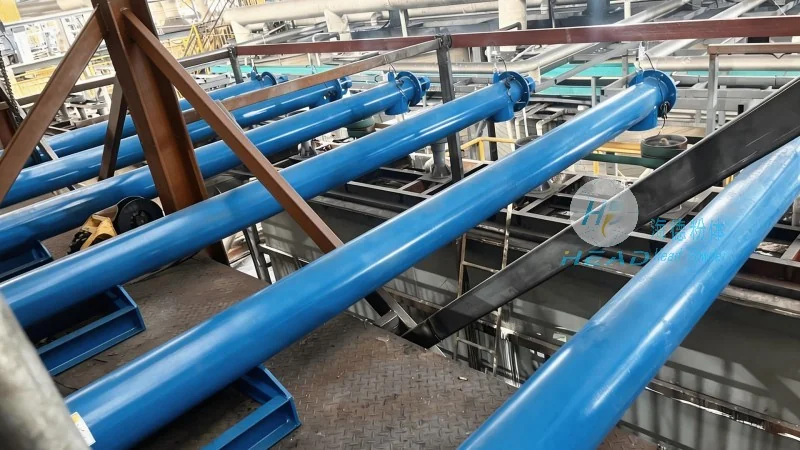
HeadPowder is a professional engineering company based in Shandong, China. With years of experience in the field of material handling and conveying technology, we specialize in designing and manufacturing high-quality pneumatic conveying systems tailored for various industrial applications, including rubber powder processing. Our commitment to innovation and customer satisfaction has established us as a trusted partner in the industry.
Introduction to Rubber Powder Pneumatic Conveying Systems
Rubber powder pneumatic conveying systems are essential equipment for efficiently transporting rubber powder from storage to processing units. These systems utilize air pressure to move the material through a pipeline network, eliminating the need for mechanical components like belts or screws that may cause wear and tear or contamination. The design of these systems is optimized to handle the unique properties of rubber powder, such as its fine particle size and potential for static electricity, ensuring reliable and safe operation.
System Structure and Components
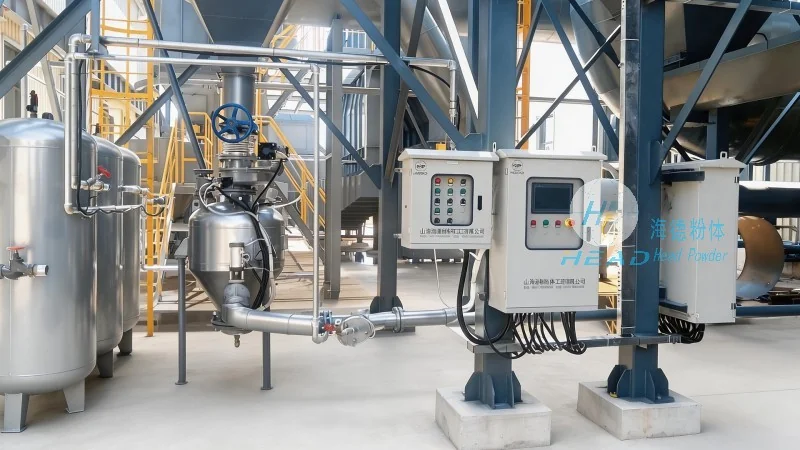
A typical rubber powder pneumatic conveying system consists of several key components, each playing a crucial role in the overall operation. The main components include a material feeder, a conveying pipeline, a control system, and a dust collection or separation unit. The material feeder is responsible for feeding the rubber powder into the system at a controlled rate, ensuring consistent flow. The conveying pipeline, often made of stainless steel or other corrosion-resistant materials, transports the material under pressure. The control system monitors and regulates the air pressure and flow rate, maintaining optimal conditions for conveying. The dust collection unit ensures that any airborne particles are captured and returned to the system or disposed of properly, maintaining a clean and safe working environment.
Working Principles of the Pneumatic Conveying Process
The pneumatic conveying process operates on the principle of using air to create a flow of material through the pipeline. There are two primary types of pneumatic conveying systems: dilute-phase and dense-phase. Dilute-phase systems use low air velocity and high air-to-material ratios, suitable for short distances and low to medium material loads. Dense-phase systems use higher air velocity and lower air-to-material ratios, ideal for longer distances and higher material loads, as they provide better control over the material flow and reduce the risk of blockages. The system works by creating a pressure differential between the inlet and outlet of the pipeline. The material feeder introduces the rubber powder into the pipeline, and the air is introduced either at the inlet (inlet feeder) or along the pipeline (trunk line feeder). The air flow then carries the material through the system, delivering it to the destination point. The control system adjusts the air pressure and flow rate to maintain the desired conveying rate and prevent system overload or blockages.
Advantages of Rubber Powder Pneumatic Conveying Systems
Implementing a rubber powder pneumatic conveying system offers several advantages over traditional mechanical conveying methods. These systems are highly efficient, capable of transporting rubber powder over long distances with minimal energy consumption. They also provide a clean and hygienic environment, as the material is contained within the pipeline, reducing dust and contamination risks. Additionally, pneumatic conveying systems are flexible and can be easily integrated with existing production lines, allowing for easy expansion or modification. The absence of moving parts in the pipeline reduces maintenance requirements and extends the system's lifespan, resulting in lower operational costs over time.
Applications and Industries
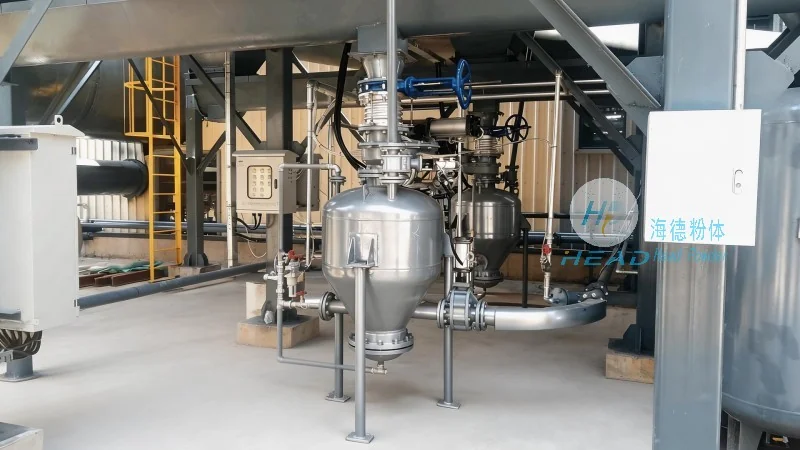
Rubber powder pneumatic conveying systems are widely used in various industries that process rubber materials. These include tire manufacturing, rubber product production, and recycling facilities. The systems are particularly beneficial in applications where the rubber powder needs to be transported from storage silos to processing machines, such as mixing units or extruders. The ability to handle fine particles and maintain consistent flow rates makes these systems ideal for applications requiring precise material control, such as in the production of rubber compounds or molded parts.
Conclusion
Shandong HeadPowder Engineering Co., Ltd. provides comprehensive rubber powder pneumatic conveying systems that combine advanced technology with robust design to meet the diverse needs of industrial applications. By understanding the structure and working principles of these systems, you can appreciate how they offer efficient, reliable, and cost-effective solutions for rubber powder handling. Whether you are in the tire industry, rubber product manufacturing, or recycling sector, our systems are designed to enhance productivity and ensure safe operation. Contact us to learn more about how our pneumatic conveying solutions can benefit your operations.




