Polystyrene, a widely used thermoplastic polymer, is commonly utilized in various industries for its lightweight, durable, and versatile properties. The efficient handling and transportation of polystyrene materials are critical for industrial processes, and pneumatic conveying systems have emerged as a reliable solution for this purpose. This article provides an overview of polystyrene pneumatic conveying systems, detailing their structural components and operational principles, with technical insights from Shandong HeadPowder Engineering Co., Ltd.
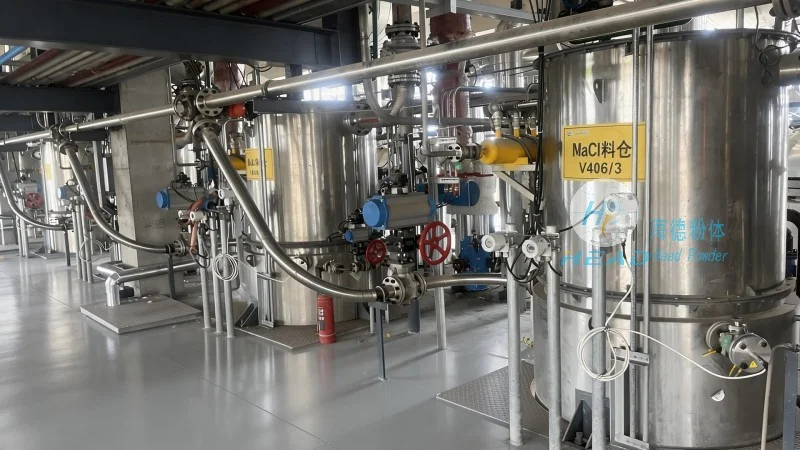
Overview of Polystyrene Pneumatic Conveying Systems
Pneumatic conveying systems are designed to transport bulk materials, such as polystyrene granules or powders, through a pipeline using air or other gases. These systems offer advantages over traditional mechanical conveying methods, including reduced equipment wear, lower maintenance requirements, and the ability to handle materials in a dust-free environment. The efficiency and reliability of a polystyrene pneumatic conveying system depend on its well-designed structure and proper operation.
Key Structural Components of Polystyrene Pneumatic Conveying Systems
The polystyrene pneumatic conveying system typically consists of several essential components that work in tandem to facilitate material transport. These components include:
- Material Hopper: A storage container that holds the polystyrene material to be conveyed. The hopper is equipped with a feed valve or gate to control the flow of material into the system.
- Feeder: A device that regulates the flow rate of polystyrene from the hopper into the conveying line. Common types include rotary valves, screw feeders, or vibratory feeders, which ensure a consistent and controlled feed.
- Conveying Pipe: The main pipeline through which the polystyrene material is transported. The pipe is usually made of materials like stainless steel or plastic to withstand the abrasive nature of polystyrene particles and the pressure of the conveying air.
- Air Supply System: This includes a blower or compressor that generates the necessary air pressure to move the material through the pipeline. The air supply system may also incorporate filters and regulators to ensure clean and consistent air flow.
- Control Valves and Branch Lines: These components allow for the direction and control of the material flow within the system. Branch lines can be used to divert the material to different destinations or to adjust the flow rate in specific sections of the pipeline.
- Receiver or Discharge Hopper: The final component where the conveyed polystyrene material is collected. This hopper is equipped with a discharge valve to release the material into the next processing stage or storage area.
Working Principles of Polystyrene Pneumatic Conveying Systems
The operation of a polystyrene pneumatic conveying system is based on the principle of fluidization and suspension of the material particles in a moving air stream. The process can be categorized into two main types: dilute-phase and dense-phase conveying, each with distinct characteristics and applications.
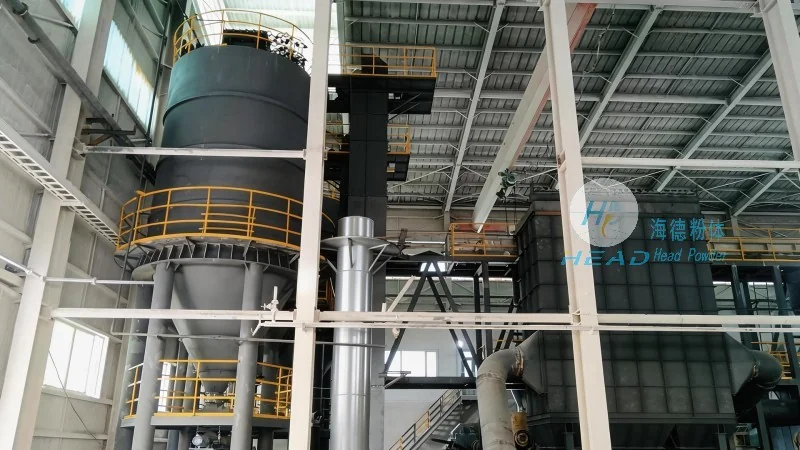
In dilute-phase conveying, the polystyrene particles are suspended in the air stream as a fine mist, similar to a gas-solid mixture. This method is suitable for long-distance transport and requires high air velocities to maintain particle suspension. The system operates at relatively low pressure, typically ranging from 0.5 to 2 bar, and is efficient for transporting fine polystyrene powders or granules.
In dense-phase conveying, the polystyrene material is conveyed in a more concentrated form, where the particles are closely packed and move in a plug flow. This method is ideal for handling abrasive or sensitive materials, as it reduces particle impact and wear on the system components. Dense-phase conveying operates at higher pressures, usually between 2 to 10 bar, and is commonly used for short to medium-distance transport of polystyrene pellets or granules.
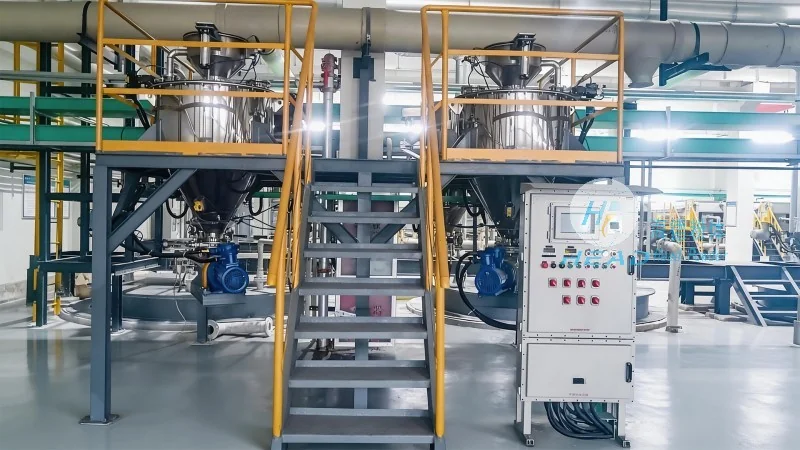
Advantages of Polystyrene Pneumatic Conveying Systems
Implementing a polystyrene pneumatic conveying system offers several benefits for industrial applications:
- Efficient Material Handling: The system provides a continuous and controlled method of transporting polystyrene materials, reducing labor costs and improving production efficiency.
- Dust-Free Environment: Unlike mechanical conveying methods, pneumatic systems can operate in a closed loop, minimizing dust generation and improving workplace safety.
- Reduced Equipment Wear: The absence of moving parts in the conveying line reduces wear and tear on equipment, leading to lower maintenance costs and longer equipment lifespan.
- Flexibility in Layout: Pneumatic conveying systems can be easily integrated into existing industrial layouts, allowing for flexible material routing and adaptability to changing production needs.
- Energy Efficiency: With proper design and operation, pneumatic conveying systems can be energy-efficient, especially when using dense-phase conveying techniques that minimize air consumption.
Applications of Polystyrene Pneumatic Conveying Systems
Polystyrene pneumatic conveying systems are widely used in various industries, including:
- Plastics Manufacturing: Transporting polystyrene granules or powders from storage to processing equipment, such as extruders or injection molding machines.
- Food and Beverage Industry: Handling polystyrene-based packaging materials or food-grade polystyrene products in a hygienic and controlled environment.
- Pharmaceutical Sector: Conveying polystyrene-based raw materials or finished products in a cleanroom environment, ensuring compliance with regulatory standards.
- Construction Materials: Transporting polystyrene insulation materials or lightweight aggregates for building applications.
Conclusion
Polystyrene pneumatic conveying systems represent a sophisticated and efficient solution for the transportation of polystyrene materials in industrial settings. By understanding the structural components and operational principles of these systems, industries can optimize their material handling processes, enhance productivity, and ensure safety and compliance. The reliable performance of such systems, when properly designed and maintained, makes them a valuable asset in modern manufacturing operations.




