When it comes to the pneumatic conveying of lithium hydroxide, selecting the appropriate conveying method is crucial for ensuring efficiency, safety, and cost-effectiveness in industrial operations. Two primary approaches are widely used: negative pressure (or suction) conveying and positive pressure (or pressure) conveying. Each method has its own set of advantages and disadvantages, which can significantly impact the overall performance of the conveying system. This article provides a detailed comparison of these two methods, focusing on their applications, operational characteristics, and key considerations for the handling of lithium hydroxide.
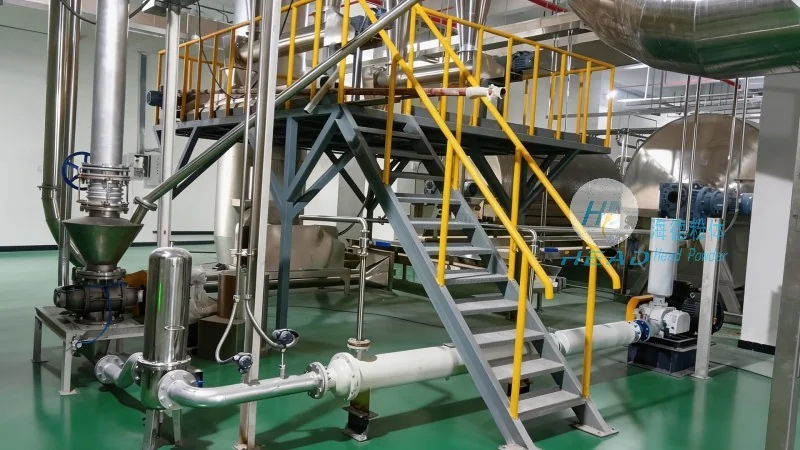
Overview of Pneumatic Conveying Methods for Lithium Hydroxide
Pneumatic conveying is a technique used to transport bulk materials, such as lithium hydroxide, through a pipeline using air or gas as the conveying medium. The two main categories are negative pressure conveying, where the conveying line is kept under a vacuum, and positive pressure conveying, where the conveying line is pressurized above atmospheric pressure. Both methods have distinct mechanisms for material transport and are chosen based on factors like material properties, system design, and operational requirements.
Negative Pressure (Suction) Pneumatic Conveying for Lithium Hydroxide
Negative pressure conveying, also known as suction conveying, operates by creating a vacuum in the conveying line. This vacuum draws the material from the source, such as a hopper or storage bin, into the pipeline. The primary advantage of this method is its ability to handle materials that are prone to dust generation or have a tendency to create static electricity. By maintaining a lower pressure environment, negative pressure systems can reduce the risk of dust explosions and improve material flow control. Additionally, negative pressure conveying is often more energy-efficient for short to medium-distance transport, as it requires less power to maintain the vacuum compared to pressurizing the entire system.
However, negative pressure conveying also has several drawbacks. One significant limitation is its lower capacity compared to positive pressure systems. The vacuum pressure is typically limited to around 0.5 to 1 bar below atmospheric pressure, which restricts the volume of material that can be conveyed at a given time. This can lead to longer cycle times for large-scale operations. Another challenge is the potential for material degradation or caking, especially for hygroscopic materials like lithium hydroxide, if the vacuum is not maintained properly. Furthermore, negative pressure systems are more susceptible to blockages due to the lower air velocity required to maintain the vacuum, which may require more frequent maintenance and cleaning.
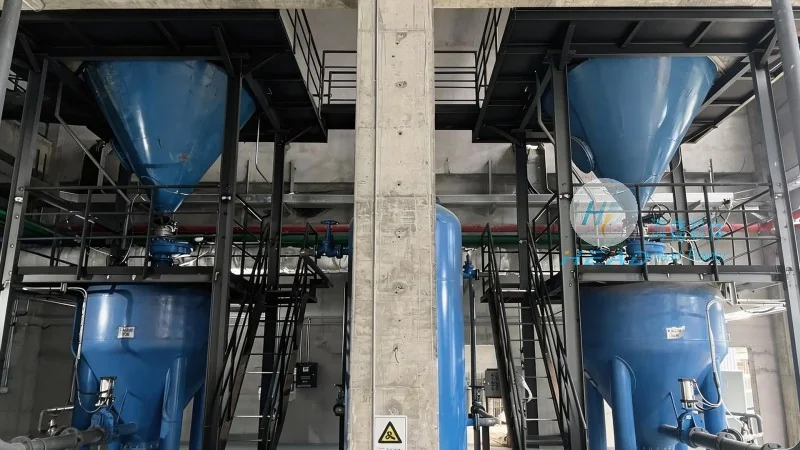
Positive Pressure (Pressure) Pneumatic Conveying for Lithium Hydroxide
Positive pressure conveying, or pressure conveying, involves pressurizing the conveying line above atmospheric pressure. The material is then pushed through the pipeline by the pressurized air or gas. This method is generally more suitable for longer distances and higher material throughput. The primary advantage of positive pressure systems is their higher conveying capacity and ability to handle larger volumes of material efficiently. The pressurization allows for higher air velocities, which can reduce the risk of material degradation and improve flow consistency. Additionally, positive pressure conveying is less prone to blockages compared to negative pressure systems, as the higher air velocity helps to keep the material in suspension and prevent clogging.
Despite these benefits, positive pressure conveying has its own set of disadvantages. One major drawback is the higher energy consumption required to maintain the pressure in the system. Pressurizing the entire pipeline and the material handling equipment demands more power, which can increase operational costs. Another consideration is the potential for increased dust generation and static electricity buildup, as the higher air velocities can cause more material to become airborne. This may necessitate additional dust control measures, such as filtration systems, to comply with environmental regulations. Furthermore, positive pressure systems are more complex to design and maintain, as they require robust pressure vessels and valves to handle the higher pressures.
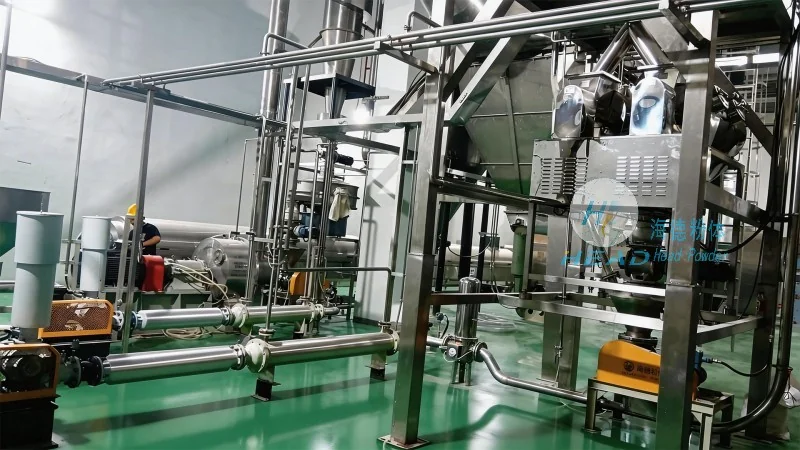
Key Considerations for Choosing Between Negative and Positive Pressure Conveying
When selecting between negative and positive pressure pneumatic conveying for lithium hydroxide, several factors must be carefully evaluated. The first consideration is the distance and volume of material to be conveyed. For short distances and moderate volumes, negative pressure conveying may be more cost-effective due to lower energy consumption. However, for longer distances or high-volume operations, positive pressure conveying is often preferred for its higher capacity and efficiency. The material properties of lithium hydroxide, such as its hygroscopic nature and tendency to generate dust, also play a critical role. Negative pressure systems are better suited for materials that are prone to dust and static electricity, as they create a controlled vacuum environment. In contrast, positive pressure systems are more suitable for materials that require higher air velocities to maintain flow and prevent caking.
Operational safety is another key factor. Negative pressure conveying reduces the risk of dust explosions by maintaining a lower pressure environment, making it ideal for handling flammable or explosive materials like lithium hydroxide. Positive pressure systems, while generally safe, require more stringent safety measures, such as explosion-proof equipment and proper ventilation, to mitigate the risks associated with pressurized air and dust. The initial investment and maintenance costs are also important considerations. Negative pressure systems typically have lower capital costs but may require more frequent maintenance due to the higher risk of blockages. Positive pressure systems have higher upfront costs but may have lower long-term maintenance expenses due to their more robust design.
Conclusion
In conclusion, both negative pressure and positive pressure pneumatic conveying methods have their own advantages and disadvantages when used for the transport of lithium hydroxide. The choice between the two depends on a variety of factors, including the distance of transport, material volume, material properties, and operational safety requirements. Negative pressure conveying is suitable for short to medium distances and materials that are prone to dust and static electricity, offering energy efficiency and lower initial costs. Positive pressure conveying, on the other hand, is ideal for longer distances and high-volume operations, providing higher capacity and reduced risk of blockages but at the cost of higher energy consumption and complexity. By carefully evaluating these factors, industrial operators can select the most appropriate pneumatic conveying method to ensure efficient, safe, and cost-effective handling of lithium hydroxide.




