HeadPowder, a leading engineering company based in Shandong, China, specializes in the design and implementation of advanced pneumatic conveying systems tailored for abrasive sand transport. This article explores the different types of such systems and their real-world applications, providing insights into how these technologies enhance efficiency and safety in industrial operations.
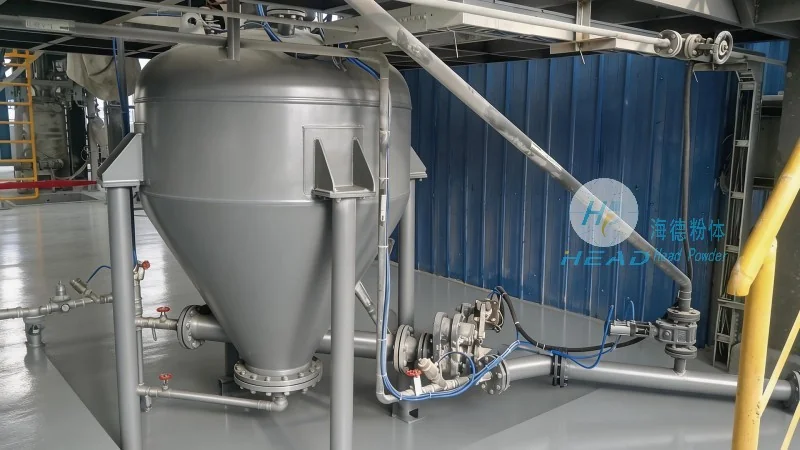
Introduction to Pneumatic Conveying Systems for Abrasive Sand
When handling abrasive materials like sand, traditional mechanical conveyors often face challenges such as wear and tear, increased maintenance costs, and potential downtime. Pneumatic conveying systems offer a robust alternative by utilizing air pressure to transport materials, reducing the need for physical contact and minimizing equipment damage. For companies dealing with abrasive sand, selecting the right type of pneumatic system is crucial to ensure optimal performance and longevity of the equipment.
Types of Pneumatic Conveying Systems for Abrasive Sand
There are primarily two main categories of pneumatic conveying systems used for abrasive sand transport: dilute-phase and dense-phase systems. Each type has distinct characteristics and is suitable for different operational requirements.
Dilute-Phase Pneumatic Conveying Systems
Dilute-phase systems operate by transporting material particles in a low concentration within the air stream. This method is ideal for short to medium distance transport and applications where the material is relatively free-flowing. The key advantage of dilute-phase systems is their high throughput capacity and relatively low pressure requirements. However, they may not be suitable for long-distance transport or when handling highly abrasive materials, as the air velocity needed to maintain particle suspension can cause excessive wear on the system components.
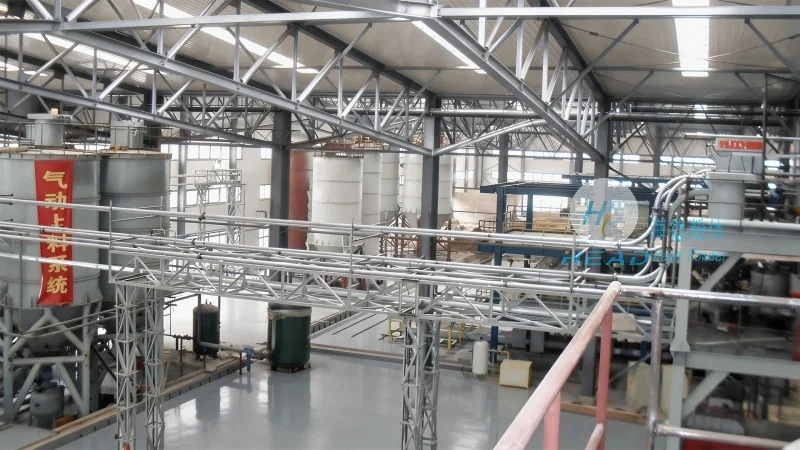
Dense-Phase Pneumatic Conveying Systems
Dense-phase systems, also known as low-pressure or piston-type systems, transport material in a higher concentration, often forming a slurry-like mixture with the air. This approach is particularly effective for long-distance transport and handling of highly abrasive or sticky materials. By reducing the air velocity and increasing the material concentration, dense-phase systems minimize particle impact and wear on the pipeline and equipment. This makes them a preferred choice for abrasive sand applications where reliability and equipment longevity are paramount.
Practical Applications of Pneumatic Conveying Systems in Abrasive Sand Handling
The versatility of pneumatic conveying systems makes them applicable across various industries that rely on abrasive sand. Some common practical applications include:
Construction and Mining Industries
In the construction and mining sectors, pneumatic conveying systems are widely used to transport sand from stockpiles to processing plants or storage areas. These systems help streamline material handling processes, reducing the need for manual labor and improving operational efficiency. For example, in mining operations, abrasive sand from quarries can be efficiently conveyed over long distances to processing facilities, ensuring a continuous supply of raw materials.
Manufacturing and Foundry Operations
Manufacturing and foundry industries often require precise control over abrasive sand for casting and molding processes. Pneumatic conveying systems allow for accurate dosing and delivery of sand to production lines, minimizing variations in material quality. This is critical in foundries where the consistency of sand affects the final product's integrity and performance. By using dense-phase systems, foundries can maintain the integrity of abrasive sand while reducing equipment wear, leading to higher production yields and lower maintenance costs.
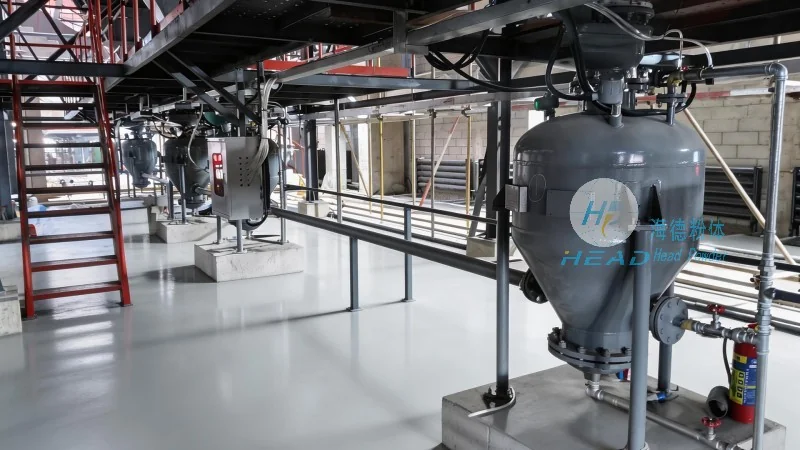
Environmental and Waste Management
Environmental and waste management facilities may also utilize pneumatic conveying systems for handling abrasive sand from recycling or waste processing operations. These systems help in transporting contaminated or abrasive sand to treatment facilities or disposal sites without exposing workers to direct contact with the material. The enclosed nature of pneumatic systems ensures safety and compliance with environmental regulations, making them suitable for applications involving hazardous or abrasive waste materials.
Key Considerations for Selecting the Right Pneumatic Conveying System
When choosing a pneumatic conveying system for abrasive sand transport, several factors must be considered to ensure optimal performance and cost-effectiveness. These include the distance of transport, the material's abrasiveness and flow characteristics, the required throughput, and the available space for installation. Consulting with engineering experts, such as those at Shandong HeadPowder Engineering Co., Ltd., can help in evaluating these factors and selecting the most suitable system for specific operational needs.
Conclusion
Pneumatic conveying systems offer a reliable and efficient solution for transporting abrasive sand in various industrial applications. By understanding the different types of systems and their practical applications, companies can make informed decisions to enhance their operational efficiency, reduce maintenance costs, and ensure the longevity of their equipment. With the expertise of companies like Shandong HeadPowder Engineering Co., Ltd., businesses can implement tailored pneumatic conveying solutions that meet their specific requirements and contribute to overall operational success.




