Shandong HeadPowder Engineering Co., Ltd. specializes in providing advanced pneumatic conveying solutions tailored for the efficient transport of dry soybeans. This article explores the various types of pneumatic conveying systems and their practical applications in the soybean processing industry, highlighting the technical advantages and operational benefits that these systems offer.
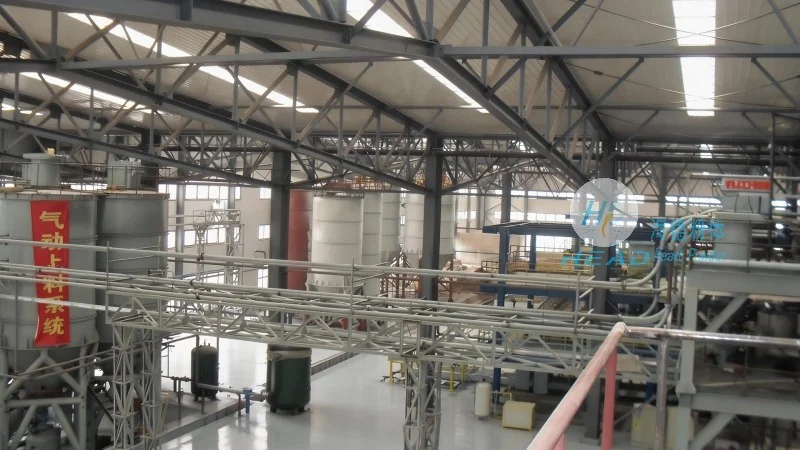
Types of Pneumatic Conveying Systems
There are primarily two main categories of pneumatic conveying systems used for dry soybean transport: positive pressure systems and negative pressure systems. Each type has distinct characteristics and is suitable for different operational scenarios.
Positive pressure systems, also known as pressure conveying systems, operate by blowing air or gas through the conveying line to move the material. These systems are generally more suitable for long-distance and high-capacity transport, as they can maintain consistent pressure and flow rates. The air is typically introduced at the inlet of the conveying line, and the material is drawn along with the air stream. Positive pressure systems are often preferred for applications where the material needs to be conveyed over significant distances or through complex layouts.
Negative pressure systems, or vacuum conveying systems, operate by creating a vacuum at the receiving end of the line, which draws the material into the system. These systems are commonly used for shorter distances and for handling materials that are more prone to dust or require gentle handling. The vacuum is created by a fan or a vacuum pump at the discharge end, and the material is pulled through the line by the pressure differential. Negative pressure systems are ideal for applications where the material needs to be transported from a low elevation to a higher one, or where the material is sensitive to high pressure or abrasion.
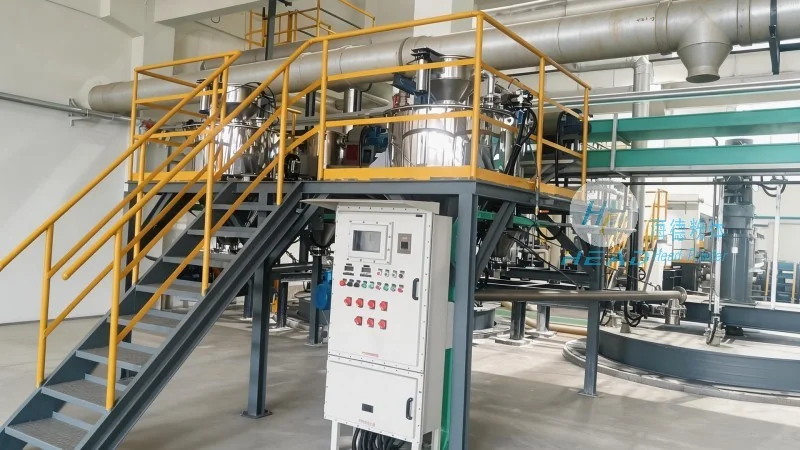
Practical Applications in Soybean Processing
Pneumatic conveying systems are widely used in various stages of soybean processing, from raw material handling to final product packaging. The efficiency and flexibility of these systems make them a preferred choice for many soybean processing facilities.
In the initial stages of soybean processing, pneumatic conveying systems are used to transport raw soybeans from storage silos or trucks to the processing plant. This step involves moving the dry soybeans from the receiving area to the cleaning and sorting equipment. The positive pressure systems are often used here due to their ability to handle large volumes of material over relatively long distances. The systems can be designed with multiple inlets and outlets, allowing for the simultaneous transport of different batches of soybeans.
During the cleaning and sorting process, pneumatic conveying systems are used to transport the cleaned soybeans to the grinding or milling equipment. The negative pressure systems are commonly employed here because they can handle the fine particles and dust generated during the cleaning process without causing excessive wear or damage to the equipment. The gentle handling of the material by the vacuum system ensures that the quality of the soybeans is maintained throughout the process.
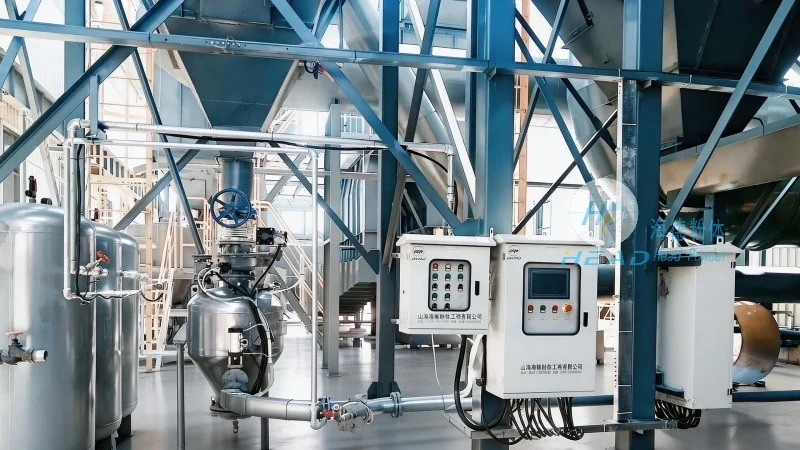
In the final stages of processing, such as the production of soybean oil or soybean meal, pneumatic conveying systems are used to transport the processed products to storage tanks or packaging lines. The positive pressure systems are again preferred for this stage due to their ability to handle the higher volumes and longer distances required for transporting the finished products. The systems can be equipped with filters and separators to ensure that the conveyed material is free from contaminants, maintaining the quality of the final product.
Technical Advantages and Operational Benefits
Compared to traditional mechanical conveying systems, pneumatic conveying systems offer several technical advantages and operational benefits that make them ideal for dry soybean transport. One of the key advantages is the ability to handle a wide range of material sizes and shapes without the need for additional equipment such as conveyors or elevators. The systems can transport dry soybeans in bulk, reducing the need for manual handling and improving overall safety in the workplace.
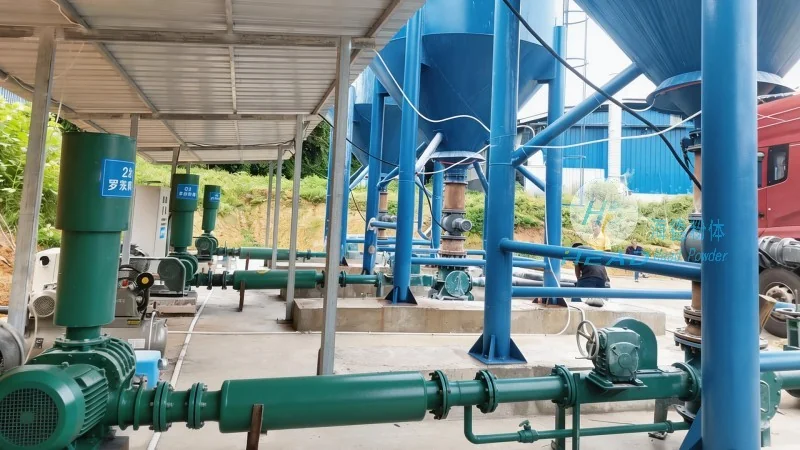
Another significant advantage is the flexibility of the system. Pneumatic conveying systems can be easily modified or expanded to accommodate changes in production volume or processing requirements. The modular design of the systems allows for the addition of new components or the reconfiguration of the conveying lines without major disruptions to the operation. This flexibility is particularly important in the soybean processing industry, where production schedules and product specifications may change frequently.
The operational benefits of pneumatic conveying systems also include improved efficiency and reduced downtime. The systems can operate continuously without the need for frequent maintenance or adjustments, as the components are designed to handle the abrasive nature of dry soybeans. The use of positive pressure systems can also reduce the risk of material buildup or blockages in the conveying lines, as the air flow helps to keep the material moving smoothly. Additionally, the systems can be equipped with sensors and control systems to monitor the flow rate and pressure, ensuring optimal performance and preventing any potential issues before they become major problems.
Conclusion
Shandong HeadPowder Engineering Co., Ltd. provides comprehensive pneumatic conveying solutions for the dry soybean transport industry, catering to the diverse needs of processing facilities. By understanding the different types of pneumatic conveying systems and their practical applications, soybean processing companies can make informed decisions about the most suitable system for their operations. The technical advantages and operational benefits of these systems make them a reliable and efficient choice for transporting dry soybeans, ensuring high-quality production and improved operational performance.




