Pneumatic conveying, also known as pneumatic transport, is a method used to move bulk materials like peanut kernels through a pipeline using air or gas. This technology is widely adopted in the food processing industry due to its efficiency, hygiene, and ability to handle delicate products without damage. The process involves creating a flow of air that transports the material from a source to a destination, making it an ideal solution for transporting peanut kernels in various stages of processing.
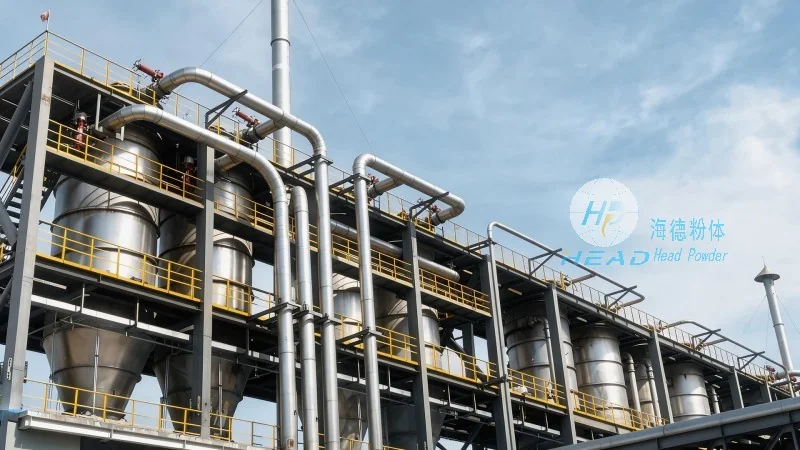
How Pneumatic Conveying Works for Peanut Kernels
The core of peanut kernels pneumatic conveying lies in the air flow system. A blower or compressor generates the necessary air pressure, which is then directed into a hopper containing the peanut kernels. As the air flows, it lifts and carries the kernels through the pipeline to the receiving container. The system can be designed as either a positive pressure or negative pressure system, each with its own advantages depending on the application and material characteristics. For peanut kernels, which are relatively light and can be prone to dust, a well-designed positive pressure system is often preferred to maintain product quality and prevent contamination.
Classification of Pneumatic Conveying Systems
Pneumatic conveying systems for peanut kernels can be classified into several types based on their operational principles and design. The most common classifications include:
1. Positive Pressure Systems: These systems use compressed air to push the material through the pipeline. The air is introduced at the inlet, creating a pressure that propels the peanut kernels forward. This type is suitable for long-distance transport and when the material is relatively dry and free-flowing.
2. Negative Pressure (Vacuum) Systems: In this system, a vacuum is created at the receiving end, drawing the material from the source. The air is then filtered and recycled, making it ideal for applications where the material may contain fine particles or where a cleaner environment is required.
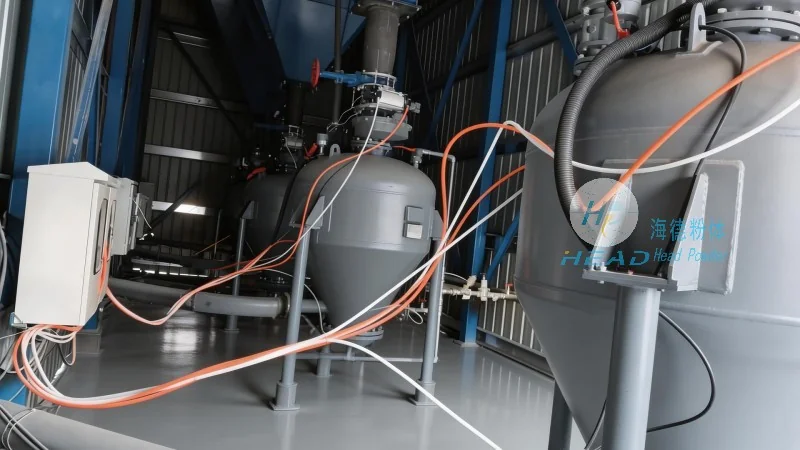
3. Combination (Closed Loop) Systems: These systems use both positive and negative pressure components. They are often used for complex conveying routes, such as moving peanut kernels from multiple sources to different destinations, or for handling materials that require both transport and filtration.
4. Trunk Line Systems: This is a specialized type of positive pressure system where the main pipeline carries the material over long distances, with smaller branches feeding the material into the trunk line. It is highly efficient for large-scale operations and is commonly used in industrial settings for peanut kernel processing.
Applications of Pneumatic Conveying in Peanut Processing
Pneumatic conveying plays a crucial role in various stages of peanut kernel processing. Some key applications include:
1. Raw Material Handling: After harvesting, peanut kernels are often transported from storage silos or bins to processing lines using pneumatic conveyors. This ensures a continuous and hygienic flow of raw material, reducing manual handling and the risk of contamination.
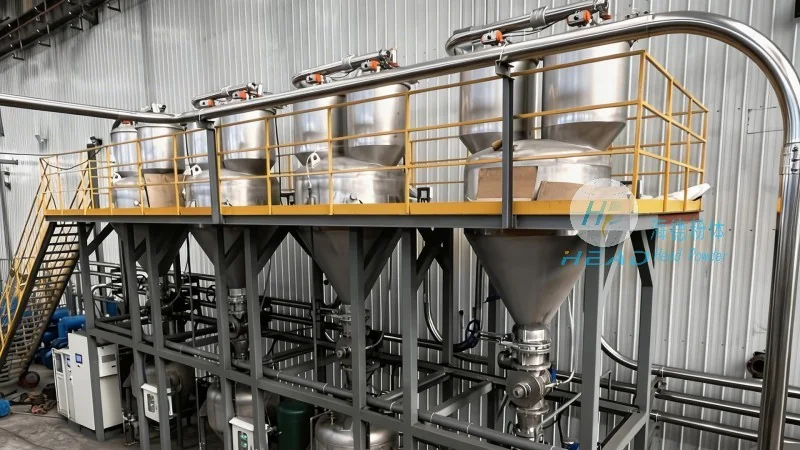
2. Processing and Sorting: During processing, peanut kernels may need to be moved between different equipment, such as roasters, blanchers, or sorters. Pneumatic conveying allows for seamless integration of these processes, maintaining the product's quality and consistency.
3. Product Packaging: After processing, the final peanut kernels are often conveyed to packaging machines. The system can be designed to deliver the product directly into bags or containers, streamlining the packaging process and improving efficiency.
4. Waste Management: In some cases, pneumatic conveying is used to transport waste or byproducts from processing equipment to disposal or recycling facilities. This helps maintain a clean and organized processing environment.
Advantages of Using Pneumatic Conveying for Peanut Kernels
There are several advantages to implementing pneumatic conveying systems for peanut kernels:
1. Hygienic and Clean Operation: Pneumatic systems are enclosed, which prevents contamination from external sources and ensures compliance with food safety regulations. The enclosed pipeline also reduces the risk of dust and allergen spread.
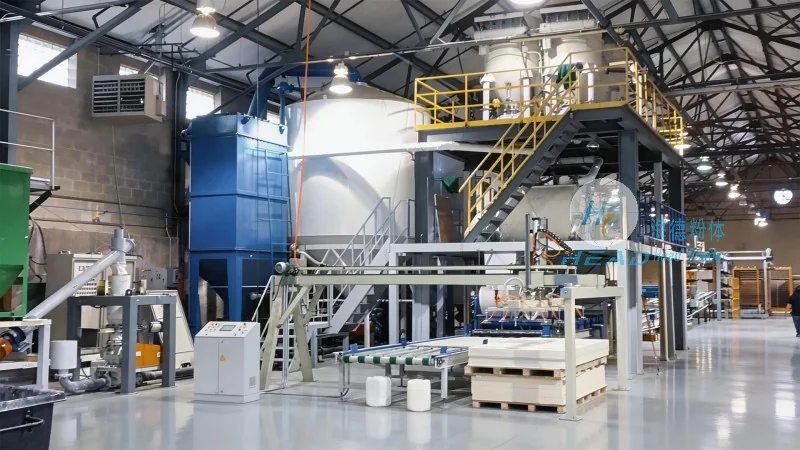
2. Efficient and Cost-Effective: Compared to traditional methods like bucket elevators or belt conveyors, pneumatic conveying can be more energy-efficient and cost-effective, especially for long-distance transport. It reduces labor costs and minimizes material handling time.
3. Reduced Product Damage: The gentle handling of pneumatic systems is less likely to damage delicate peanut kernels, preserving their texture and quality. This is particularly important for products intended for direct consumption or further processing.
4. Flexibility and Scalability: Pneumatic conveying systems can be easily modified or expanded to accommodate changes in production volume or process requirements. This flexibility makes them suitable for both small-scale and large-scale peanut processing operations.
Considerations for Implementing Pneumatic Conveying in Peanut Processing
While pneumatic conveying offers many benefits, there are several factors to consider when implementing such a system for peanut kernels:




