Gas-pneumatic conveying of sintering dust is a critical process in industrial powder handling, particularly within the metallurgical and environmental sectors. This method involves the use of compressed air to transport fine particulate materials like sintering dust, which is a byproduct of sintering processes used in steel production. Understanding the working principle of such systems is essential for optimizing material handling efficiency and ensuring environmental compliance.
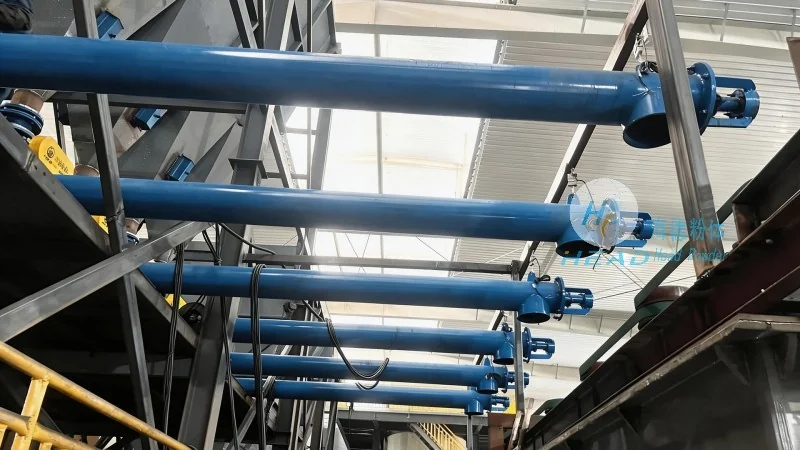
Introduction to Sintering Dust and Gas-Pneumatic Conveying
Sintering dust, also known as sintering fly ash, is a fine powder generated during the sintering process, where iron ore and other raw materials are heated to a temperature below their melting point to form a solid mass. This dust is often contaminated with various impurities and requires effective collection and transportation to prevent environmental pollution and to recycle valuable components. Gas-pneumatic conveying offers a solution by utilizing air pressure to move these fine particles through pipelines, eliminating the need for mechanical components like belts or buckets that may cause contamination or wear.
About HeadPowder: A Leader in Powder Handling Solutions
HeadPowder, or Shandong HeadPowder Engineering Co., Ltd., is a prominent company based in Shandong, China, specializing in the design, manufacturing, and implementation of advanced powder handling systems. With a strong focus on industrial efficiency and environmental responsibility, HeadPowder provides tailored solutions for various applications, including the gas-pneumatic conveying of sintering dust. The company’s expertise lies in developing systems that ensure reliable, low-maintenance operation while adhering to strict environmental standards.
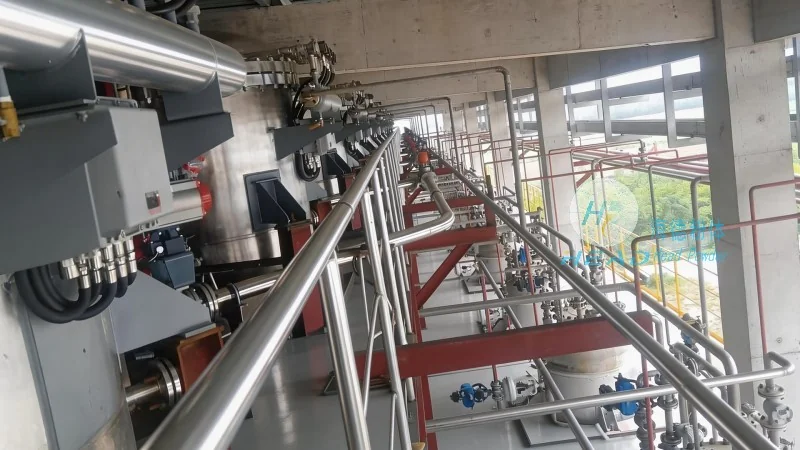
The Working Principle of Gas-Pneumatic Conveying Systems
Gas-pneumatic conveying systems operate on the principle of using compressed air to create a flow that transports powders through a pipeline. The system typically consists of several key components: a material feed hopper, a pressure vessel or air lock, a pipeline network, and a receiver or discharge unit. The process begins with the material being fed into the hopper, where it is then drawn into the system by the air flow. Compressed air is introduced into the pipeline, creating a high-velocity stream that lifts and transports the particles. The air and material mixture travels through the pipeline to the discharge point, where the air is separated from the material, often using a cyclone or filter system. The separated air is then recycled back into the system, while the sintering dust is collected for further processing or disposal.
Key Components and Their Functions in a Sintering Dust Conveying System
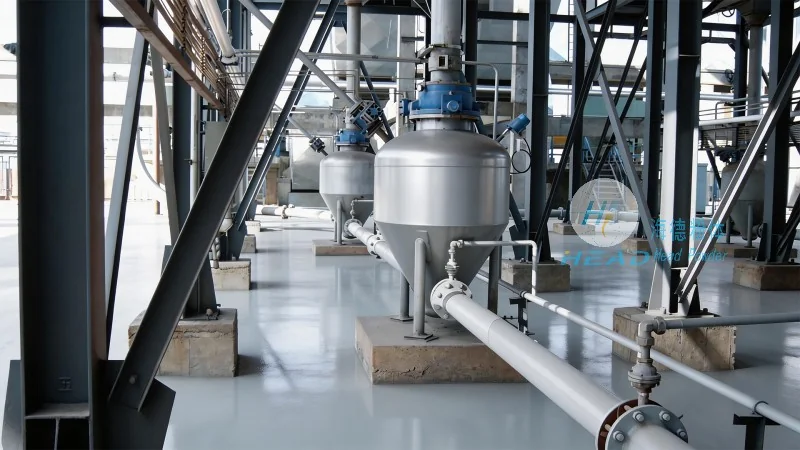
Each component of a gas-pneumatic conveying system plays a crucial role in ensuring efficient and reliable operation. The material feed hopper is designed to hold the sintering dust and provide a controlled feed rate to the system. The air lock or pressure vessel prevents backflow and maintains consistent pressure within the system. The pipeline network must be constructed from materials resistant to corrosion and abrasion, such as stainless steel or special alloys, to withstand the abrasive nature of sintering dust. The receiver or discharge unit collects the transported dust and may include additional equipment like filters or cyclones to separate the air from the material. The air recycling system is also critical, as it reduces energy consumption and minimizes waste.
Advantages of Gas-Pneumatic Conveying for Sintering Dust
Compared to traditional mechanical conveying methods, gas-pneumatic conveying offers several advantages for handling sintering dust. Firstly, it eliminates the risk of contamination, as the material is never in direct contact with mechanical parts. This is particularly important for sintering dust, which may contain hazardous or valuable components. Secondly, the system is highly flexible, allowing for the transportation of materials over long distances and through complex layouts. Thirdly, it is relatively low-maintenance, as there are fewer moving parts compared to belt or bucket conveyors. Additionally, gas-pneumatic conveying can handle a wide range of particle sizes and moisture contents, making it suitable for various sintering processes. Finally, the system can be integrated with other processes, such as dust collection and recycling, to create a comprehensive material handling solution.
Applications and Industries Using Sintering Dust Gas-Pneumatic Conveying
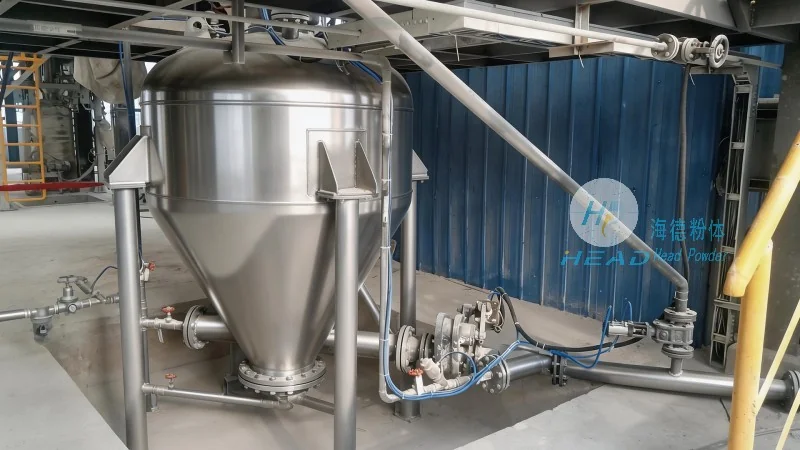
The use of gas-pneumatic conveying for sintering dust is widespread across several industries. In the steel industry, it is used to transport dust from sintering plants to storage facilities or to other processing units, such as pelletizing or recycling plants. In the environmental sector, it is employed to collect and transport dust from industrial emissions, ensuring compliance with air quality regulations. Other industries, such as mining and chemical processing, also utilize this technology for handling fine powders. The versatility of gas-pneumatic conveying makes it an ideal solution for a variety of applications where efficient and clean material transport is required.
Conclusion: The Importance of Efficient Sintering Dust Handling
Efficient handling of sintering dust is crucial for both industrial productivity and environmental protection. Gas-pneumatic conveying systems, as provided by companies like HeadPowder, offer a reliable and effective solution by leveraging the principles of air pressure to transport fine particulate materials. By understanding the working principle and key components of such systems, industries can optimize their material handling processes, reduce costs, and ensure compliance with environmental regulations. As technology advances, these systems continue to evolve, providing even more efficient and sustainable solutions for the future of powder handling.




