Resin powder pneumatic conveying systems are critical in industrial processes for efficiently transporting resin powders over varying distances. The technology leverages air as the primary medium to move bulk materials, offering advantages such as reduced contamination, improved safety, and enhanced operational flexibility. This article explores the fundamental principles behind these systems, focusing on the technical aspects and practical applications.
Company Overview: Shandong HeadPowder Engineering Co., Ltd.
Headpowder, a leading provider in the field, specializes in designing and manufacturing advanced pneumatic conveying solutions tailored to the resin industry. With a strong commitment to innovation and quality, the company has established itself as a trusted partner for businesses seeking reliable material handling systems. Headpowder's expertise spans from system design and installation to ongoing maintenance and support, ensuring clients achieve optimal performance and efficiency in their operations.
Core Principles of Resin Powder Pneumatic Conveying
The operation of a resin powder pneumatic conveying system is based on the fundamental principle of creating a pressure differential to move material through a pipeline. There are two primary types of systems: pressure and vacuum. In pressure systems, compressed air is introduced at the material feed point, generating a positive pressure that propels the resin powder through the pipeline. Conversely, vacuum systems utilize a vacuum pump to create a negative pressure, drawing the material from the source to the destination. The choice between these systems depends on factors like the distance to be covered, the material characteristics, and the required flow rate.
Key Components and Their Functions
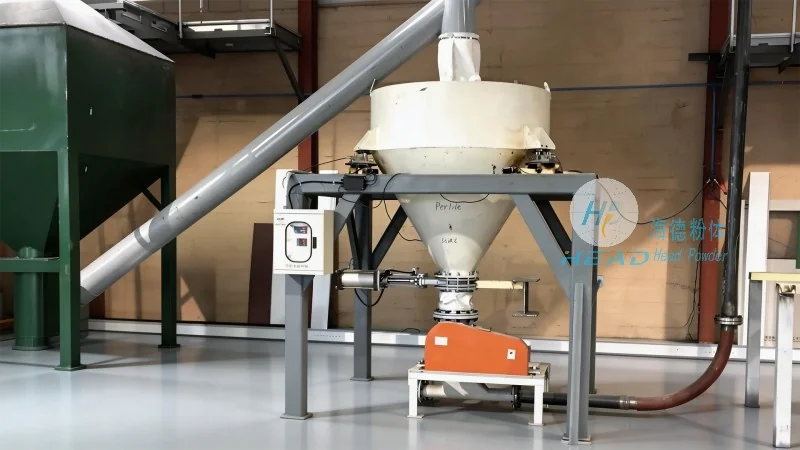
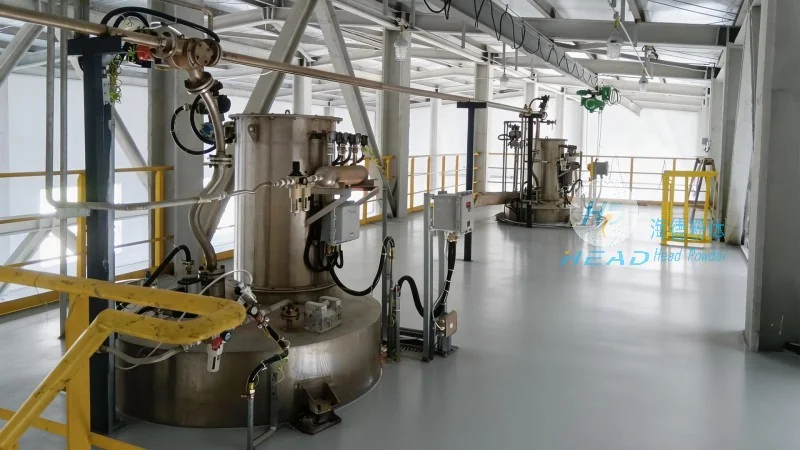
Resin powder pneumatic conveying systems consist of several critical components, each playing a vital role in the overall operation. The primary components include the material feeder, which ensures a consistent and controlled flow of resin powder into the system; the air compressor or vacuum pump, which provides the necessary pressure or vacuum; the pipeline network, which transports the material; and the receiver, where the material is deposited. Additionally, components such as filters, cyclones, and silencers are often integrated to enhance system performance and safety. Filters prevent dust and particles from entering the air system, cyclones separate the material from the air stream for recycling or disposal, and silencers reduce noise levels generated by the system.
Advantages of Pneumatic Conveying for Resin Powders
Compared to traditional mechanical conveying methods, resin powder pneumatic conveying offers several distinct advantages. One of the most significant benefits is the ability to handle materials with high moisture content or sensitive properties without degradation, as the material remains in a closed system. This reduces the risk of contamination and ensures product integrity. Additionally, pneumatic systems are more flexible in terms of layout, allowing for complex and non-linear pipe configurations without the need for additional equipment. They also minimize labor costs by automating the material handling process, reducing the need for manual loading and unloading. Furthermore, these systems are generally more compact and require less floor space compared to other bulk material handling solutions.
Application Scenarios and Industry Use Cases
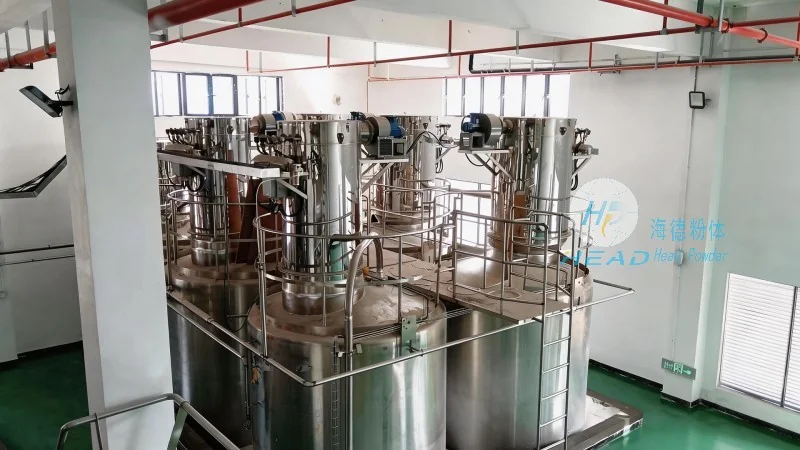
Resin powder pneumatic conveying systems are widely used across various industries, including the plastics, pharmaceuticals, and chemical sectors. In the plastics industry, they are commonly employed to transport resin powders from storage silos to processing equipment, such as extruders and mixers. The systems ensure a continuous and consistent supply of material, which is crucial for maintaining production efficiency and product quality. In the pharmaceutical industry, pneumatic conveying is preferred for its ability to maintain a sterile environment, as the closed system prevents contamination from external sources. Similarly, in the chemical industry, these systems are used to handle reactive or hazardous materials, providing a safe and controlled method of material transport.
System Design and Customization
Headpowder recognizes that each application has unique requirements, and therefore, offers customized pneumatic conveying solutions. The design process begins with a thorough analysis of the material properties, such as particle size, density, and flowability, as well as the operational parameters, including distance, flow rate, and ambient conditions. Based on this analysis, the company selects the appropriate system type (pressure or vacuum) and component configuration. Customization may also involve integrating additional features, such as temperature control, moisture removal, or material recycling systems, to meet specific client needs. Headpowder's engineering team works closely with clients to ensure that the final system is optimized for performance, reliability, and cost-effectiveness.
Maintenance and Operational Considerations
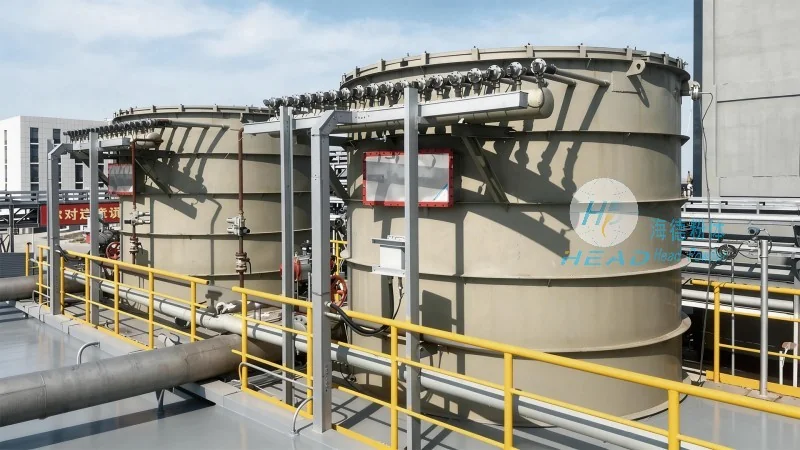
Proper maintenance is essential to ensure the long-term reliability and efficiency of a resin powder pneumatic conveying system. Regular inspections of components, such as filters and cyclones, are necessary to prevent clogging and maintain optimal performance. The air compressor or vacuum pump should be checked for proper operation and maintenance to avoid breakdowns. Additionally, the pipeline network should be inspected for leaks or damage, as even small leaks can significantly impact system efficiency. Headpowder provides comprehensive maintenance services, including scheduled inspections, component replacement, and troubleshooting support, to help clients maximize the lifespan of their systems and minimize downtime. Proper operational practices, such as maintaining consistent material feed rates and monitoring system pressure, also contribute to the overall performance and longevity of the system.
Conclusion
Resin powder pneumatic conveying systems represent a sophisticated and efficient solution for handling bulk materials in various industrial applications. By leveraging the principles of air movement and pressure differentials, these systems offer numerous advantages over traditional mechanical conveying methods. Headpowder's expertise in designing and manufacturing customized pneumatic conveying solutions ensures that clients can achieve optimal performance, safety, and cost-effectiveness in their material handling operations. Whether for short or long-distance transport, resin powder pneumatic conveying systems provide a reliable and flexible approach to managing resin powders, supporting the smooth operation of industrial processes.




