Plug flow pneumatic conveying is a specialized method used in material handling and processing industries to transport bulk materials through a pipeline using a controlled flow of air or gas. This technique is particularly effective for handling powders and granules, offering advantages such as low maintenance, minimal product contamination, and the ability to transport materials over long distances. Understanding the fundamental principles and design considerations of plug flow systems is crucial for optimizing performance and ensuring efficient material transfer in various industrial applications.
Understanding Plug Flow Pneumatic Conveying
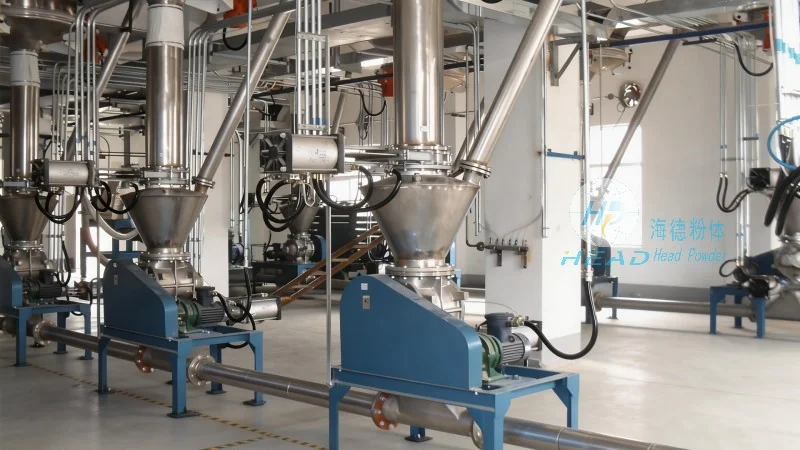
At its core, plug flow pneumatic conveying operates by creating a series of discrete, solid plugs of material that move through a pipeline under pressure. Unlike other pneumatic conveying systems that rely on continuous or slugging flow, plug flow systems maintain a stable, non-turbulent flow of material, which reduces wear on equipment and minimizes the risk of product degradation. The key to this process is the precise control of air pressure and flow rate, which ensures that the material forms consistent plugs that travel smoothly through the system.
Key Design Principles of Plug Flow Systems
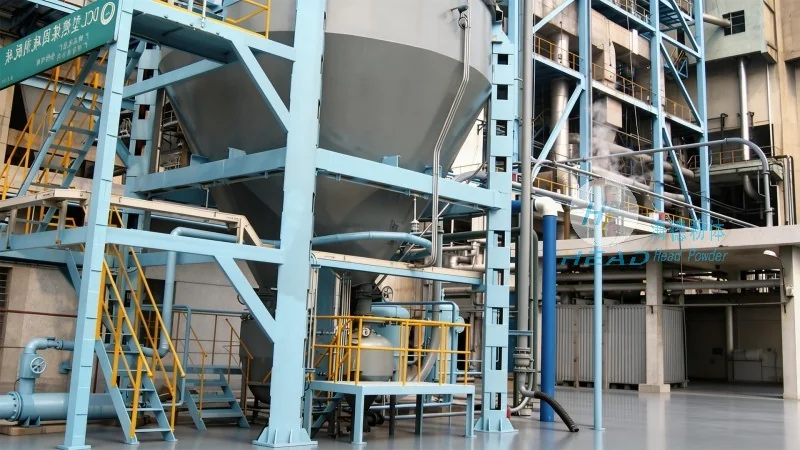
The design of a plug flow pneumatic conveying system involves several critical principles that must be carefully considered to achieve optimal performance. These principles include the selection of appropriate pipeline dimensions, the use of specialized valves and controls to regulate air and material flow, and the implementation of effective dust collection and filtration systems. The system must also be designed to handle the specific properties of the material being conveyed, such as particle size, density, and moisture content, to prevent blockages or other operational issues.
Components and Functionality
A typical plug flow pneumatic conveying system consists of several key components, each playing a vital role in the overall operation. The primary components include a material feeder, which introduces the bulk material into the pipeline, a pressure vessel or air compressor that generates the necessary air pressure, and a series of valves and controls that regulate the flow of air and material. The system may also include a receiver or discharge hopper at the end of the pipeline, where the material is collected and stored. The material feeder is designed to maintain a consistent flow of material into the system, while the air compressor provides the necessary pressure to move the material through the pipeline. The valves and controls are crucial for managing the pressure and flow rates, ensuring that the material forms stable plugs and moves efficiently through the system.
Advantages and Applications
Plug flow pneumatic conveying offers several advantages over other material handling methods, making it a popular choice in various industries. These advantages include low maintenance requirements, minimal product contamination, and the ability to transport materials over long distances without the need for intermediate storage or handling. The system is particularly well-suited for handling sensitive materials, such as pharmaceuticals, food products, and chemicals, where contamination and product degradation must be strictly avoided. Additionally, plug flow systems can be designed to handle a wide range of material types, from fine powders to larger granules, making them versatile for different industrial applications.
Design Considerations for Optimal Performance
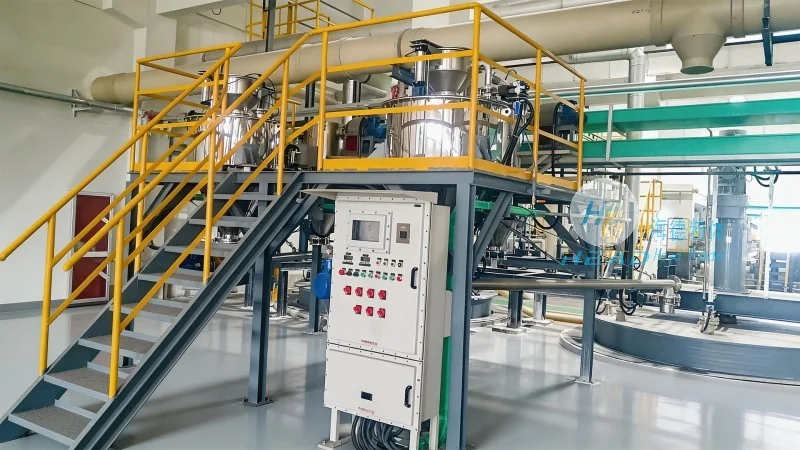
Designing an effective plug flow pneumatic conveying system requires careful consideration of several factors to ensure optimal performance and reliability. These factors include the selection of appropriate pipeline materials and dimensions, the calculation of air pressure and flow rates based on the material properties, and the implementation of proper sealing and maintenance procedures. The system must also be designed to handle variations in material flow rates and pressure, ensuring that it can adapt to changing operational conditions without compromising performance. Additionally, the system should be equipped with monitoring and control systems to detect and address any issues, such as blockages or pressure drops, in a timely manner.
Conclusion
Plug flow pneumatic conveying is a highly effective and versatile method for transporting bulk materials in industrial applications. By understanding the fundamental principles and design considerations of this system, engineers and operators can optimize performance, minimize operational issues, and ensure efficient material transfer. The system's advantages, including low maintenance, minimal contamination, and long-distance transport capabilities, make it an ideal choice for handling sensitive materials and a wide range of bulk materials. As the demand for efficient material handling solutions continues to grow, plug flow pneumatic conveying will remain a critical technology in the processing and manufacturing industries.




