Molybdenum concentrate powder pneumatic conveying equipment is a specialized system designed to transport molybdenum concentrate powder efficiently and safely. Developed by Shandong HeadPowder Engineering Co., Ltd., this equipment plays a crucial role in the mineral processing industry, particularly for handling fine powders that are difficult to transport using traditional methods. The system combines air flow and mechanical components to move the powder from one location to another, ensuring minimal product loss and contamination.
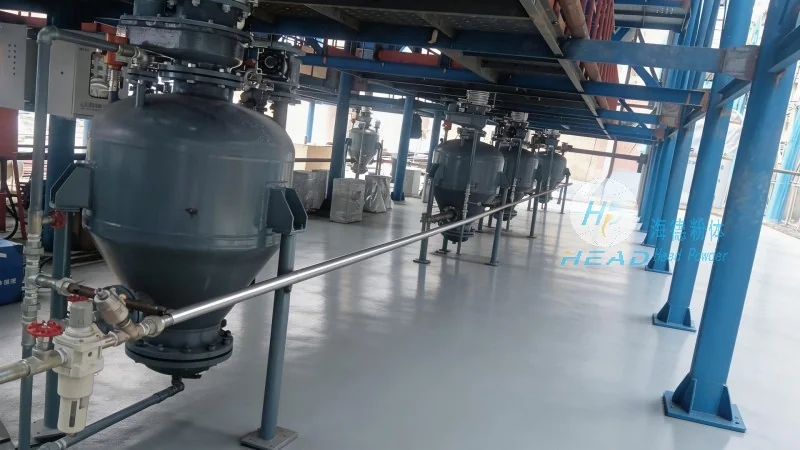
Understanding the Core Function of Pneumatic Conveying Systems
Pneumatic conveying systems operate by using compressed air or gas to create a flow that carries the powder particles through a pipeline. The design of these systems is tailored to the specific characteristics of molybdenum concentrate powder, such as its particle size, density, and moisture content. The equipment must be capable of handling the unique properties of this material to ensure reliable and consistent performance. The primary goal is to provide a cost-effective and efficient method for transporting molybdenum concentrate from storage silos, processing plants, or production lines to various destinations within a facility or to external locations.
Key Design Principles Behind Molybdenum Concentrate Powder Pneumatic Conveying Equipment
The design of molybdenum concentrate powder pneumatic conveying equipment is guided by several fundamental principles to optimize performance and durability. First, the system must ensure proper air-to-powder ratio to maintain a stable flow without causing excessive pressure drops or particle degradation. This ratio is critical for preventing blockages and maintaining the integrity of the powder. Second, the equipment incorporates features to handle the abrasive nature of molybdenum concentrate, such as using high-quality materials for components like pipes, valves, and pumps that come into contact with the powder. Third, the design emphasizes energy efficiency by minimizing air consumption while maximizing conveying capacity. This is achieved through the use of efficient blowers, proper pipeline sizing, and optimized system layout. Additionally, the equipment is designed for easy maintenance and cleaning to reduce downtime and ensure long-term reliability.
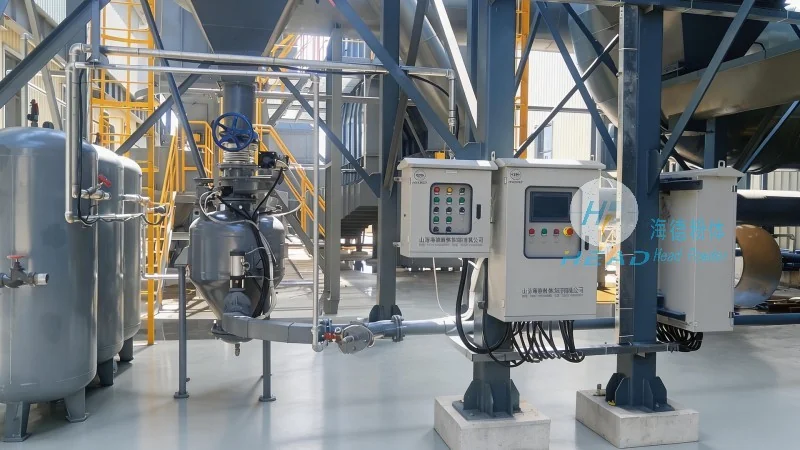
Components and Their Roles in the Pneumatic Conveying System
The molybdenum concentrate powder pneumatic conveying system consists of several key components, each with a specific function. The primary components include a material feeder, which is responsible for feeding the powder into the system at a controlled rate. The feeder must be capable of handling the fine particles of molybdenum concentrate without causing bridging or clogging. Next, the system utilizes a blower or compressor to generate the necessary air pressure and flow. The choice of equipment depends on the conveying distance and the volume of powder to be transported. The pipeline network connects the feeder to the discharge point and may include various fittings such as elbows, tees, and filters to direct the flow and prevent particle accumulation. A filter system is also essential to remove any fine particles from the air before it is released back into the environment, ensuring compliance with environmental regulations. Finally, the discharge unit, such as a rotary valve or a venturi, controls the release of the powder at the destination, preventing backflow and maintaining system pressure.
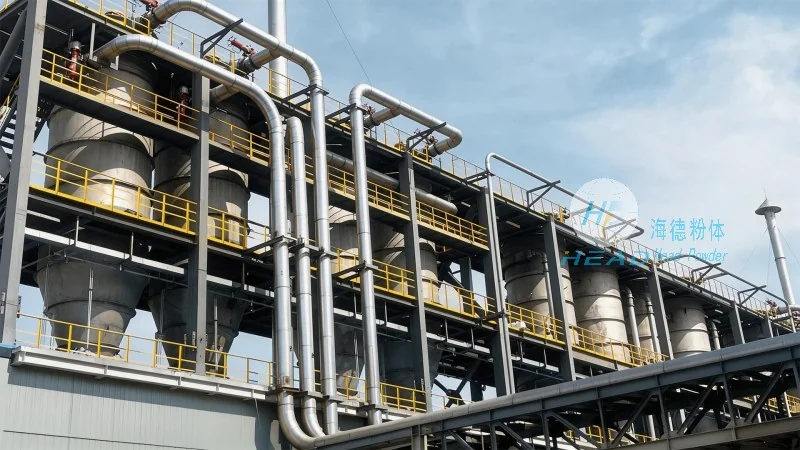
Advantages of Using Pneumatic Conveying for Molybdenum Concentrate
There are several advantages to using pneumatic conveying equipment for molybdenum concentrate powder. One of the most significant benefits is the ability to transport the powder without the need for mechanical conveyors, which can be prone to maintenance issues and product contamination. Pneumatic systems are also more flexible, allowing for changes in the conveying route or destination without major modifications. Additionally, the system can handle a wide range of particle sizes and moisture levels, making it suitable for various processing stages. The enclosed nature of the system prevents dust emissions, reducing the risk of environmental pollution and improving workplace safety. Furthermore, pneumatic conveying can be integrated with other processing equipment, such as grinding mills or classifiers, to create a seamless production line. This integration enhances overall efficiency and reduces operational costs.
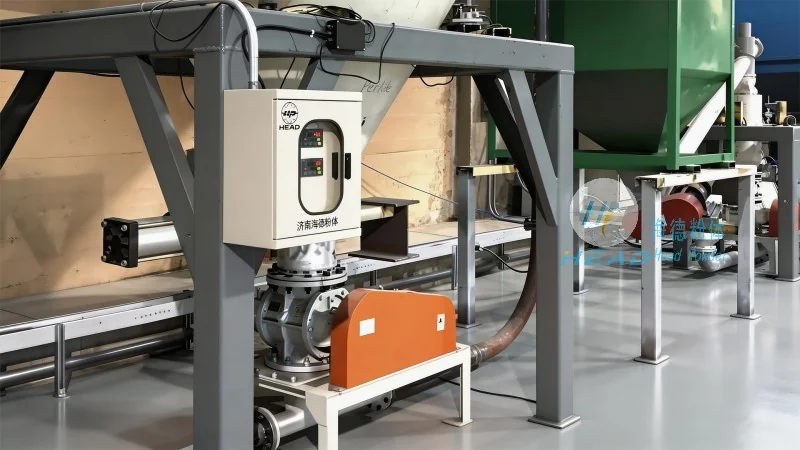
Considerations for Selecting and Implementing Molybdenum Concentrate Powder Pneumatic Conveying Equipment
When selecting and implementing a molybdenum concentrate powder pneumatic conveying system, several factors must be considered to ensure optimal performance. First, the specific characteristics of the molybdenum concentrate, including its particle size distribution, density, and moisture content, must be thoroughly analyzed. This information is crucial for determining the appropriate air-to-powder ratio and system design. Second, the conveying distance and the required throughput must be accurately assessed to select the right blower capacity and pipeline size. Third, the system layout should be planned to minimize pressure losses and avoid sharp turns or narrow sections that could cause blockages. Fourth, the material of construction for the components must be selected based on the abrasive nature of the powder and the operating conditions, such as temperature and pressure. Finally, the system should be designed with maintenance in mind, including easy access to components for cleaning and replacement. Proper installation and commissioning by experienced professionals are also essential to ensure the system operates as intended and meets all safety and environmental requirements.
Conclusion: The Importance of Reliable Pneumatic Conveying Equipment for Molybdenum Concentrate Processing
Molybdenum concentrate powder pneumatic conveying equipment is a vital component in the mineral processing industry, providing an efficient and reliable method for transporting fine powders. The design principles behind these systems focus on optimizing performance, durability, and energy efficiency while ensuring the integrity of the molybdenum concentrate. By understanding the key components and design considerations, companies can select and implement a system that meets their specific needs and enhances overall operational efficiency. The use of such equipment not only improves productivity but also contributes to a safer and more environmentally friendly processing environment. As the demand for molybdenum continues to grow, the importance of reliable pneumatic conveying systems will only increase, making them an essential investment for any molybdenum processing facility.




